
How Can You Craft an Impactful Social Media Strategy?
Unlocking the Secrets of a Winning Social Media Strategy


In the digital age, a well-crafted social media strategy is essential for brands aiming to enhance their visibility, engage with their audience, and drive conversions. Creating an effective social media strategy involves several components, from understanding your audience to utilizing analytics for continuous improvement. Here’s a detailed look at the key tips for developing a successful social media strategy that resonates with your brand’s objectives.
1. Define Your Goals
Before diving into social media, it’s crucial to outline what you want to achieve. Are your goals focused on brand awareness, lead generation, customer engagement, or driving sales? Setting SMART (Specific, Measurable, Achievable, Relevant, Time-bound) goals helps in maintaining direction and measuring success.
2. Know Your Audience
Understanding who your audience is and what they want is vital. Utilize tools such as surveys, social media analytics, and market research to gather data on demographics, interests, and behaviors. This knowledge allows you to create content that resonates with potential customers, ultimately increasing engagement rates.

3. Choose the Right Platforms
Not all social media platforms are created equal. Depending on your brand’s identity and your audience’s preferences, some platforms may work better than others. For instance, Instagram and TikTok are great for visually appealing brands, while LinkedIn serves better for B2B companies. Focus on the channels that align with your goals and where your target audience is most active.
4. Develop a Content Strategy
Content is the backbone of your social media strategy. Plan a mix of content types (images, videos, articles, infographics) that aligns with your audience’s preferences and interests. Establish a content calendar to ensure a consistent posting schedule—this helps keep your audience engaged and informed.
Quality Over Quantity: It’s better to post less frequently but with high-quality content than to overwhelm your audience with mediocre posts.
User-Generated Content (UGC): Encourage your audience to create content around your brand. This not only builds community but also provides authentic testimonials.

5. Engage with Your Audience
Social media is inherently social, so fostering engagement is key. Respond to comments, messages, and mentions promptly. Hosting Q&A sessions, polls, and contests can also elevate interaction levels. Building a strong community around your brand increases loyalty and can create advocates who will promote your business.
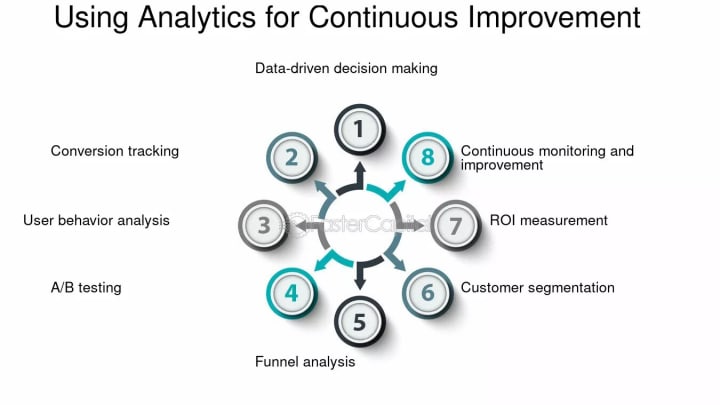
6. Use Analytics for Continuous Improvement
Regularly review your social media metrics to understand what’s working and what isn’t. Metrics such as engagement rates, reach, and conversion rates can provide insight into the effectiveness of your strategy. Use this data to refine your approach, experiment with different types of content, or alter posting times.
7. Stay Up to Date with Trends
Social media is an ever-evolving landscape. Keeping abreast of current trends, platform updates, and changes in consumer behavior is essential. Adapting your strategy to include trending topics or popular formats (like Stories or Reels) can enhance visibility and engagement.
8. Collaborate with Influencers
Partnering with influencers can amplify your reach and credibility. Identify influencers whose values align with your brand and who resonate with your target audience. This can lead to organic engagement and traditional endorsements, effectively expanding your brand’s visibility to new audiences.

9. Invest in Paid Advertising
While organic reach is vital, investing in paid social media advertising can boost your strategy. Platforms like Facebook and Instagram offer targeted ads that can help you reach specific demographics based on location, interests, and behavior. This ensures that your content reaches potential customers more effectively.
10. Document Your Strategy
Finally, create a written document that outlines your social media strategy, including your goals, audience personas, content calendar, and metrics to track. This creates clarity and serves as a reference as your brand evolves and grows.

Conclusion
Crafting an impactful social media strategy requires a thoughtful approach tailored to your brand’s unique objectives and audience. By defining your goals, understanding your audience, and continuously adapting based on data, you can build a robust presence that engages and converts. Social media isn’t just about broadcasting your message; it’s about building relationships that foster loyalty and community. The key to success lies in persistent learning and agility to adapt to the fast-paced world of digital marketing.
In a nutshell, a solid social media strategy isn’t a one-size-fits-all solution but a dynamic framework that evolves with your brand and its audience.
About the Creator
Diane L. Richardson
Author
Keep reading
More stories from Diane L. Richardson and writers in Writers and other communities.
The Pen Pioneers: Who Will Bring My Vision to Life?
Finding the right editor for your book is crucial to refining your ideas, polishing your writing, and presenting your work in the best light. A professional editor can elevate your manuscript, making it more engaging, readable, and error-free. But where can you find an experienced editor who is a perfect fit for your project? Here's a comprehensive guide to help you navigate this crucial step.
By Diane L. Richardson12 months ago in Writers
How Students Can Check Scholarship Status Without Missing Updates
For millions of students worldwide, scholarships play a critical role in continuing education without financial strain. However, receiving a scholarship is only the first step. One of the most common challenges students face afterward is tracking their scholarship status accurately and on time. Missed updates, incomplete information, or misunderstanding the process can result in delayed payments or even disqualification.
By Abbasi Publisher4 days ago in Writers




Comments
There are no comments for this story
Be the first to respond and start the conversation.