
Herbs – Flavor Enhancers or Real Sources of Nutrition?
Discover how herbs add more than flavor—rich in antioxidants, phytochemicals, and nutrients, they support gut health and a balanced lifestyle.


Herbs are more than just flavor boosters in cooking—they contain natural compounds, vitamins, and minerals that contribute to overall well-being. While often regarded only as fragrant spices, many herbs provide measurable amounts of antioxidants and essential nutrients that support daily dietary needs.
From parsley’s vitamin C to basil’s plant compounds, these ingredients go beyond taste to offer real nutritional value. This raises the question: should we view herbs only as culinary additions, or recognize them as meaningful sources of nutrition in everyday meals?
Herbs in Cooking – Flavor and Basic Benefits
The primary role of herbs in cooking is to enhance taste and aroma. In one Reddit discussion, many people pointed out that their main value lies in making meals more enjoyable, while their nutritional contribution is relatively minor.*
Since the quantity of herbs used in most recipes is quite small—just a few spoonfuls for an entire dish—they cannot be considered a major source of vegetables or essential nutrients. Some even joke that without herbs, food would turn into “bland meals.”*
On the other hand, flavor itself can be linked to health: when food tastes good, it is easier to maintain a healthy diet over the long term.

Nutrition and Phytochemicals in Herbs
There are different views on the nutritional impact of herbs. Some argue that herbs contain beneficial compounds such as polyphenols, flavonoids, and antioxidants, but most of these are not absorbed directly into the bloodstream. Instead, they nourish gut bacteria, which then indirectly bring health benefits.*
A 2022 study supports this point, noting that only about 5–10% of polyphenols are absorbed in the small intestine. The majority (90–95%) pass into the colon, where gut microbes break them down into smaller, more bioactive compounds that are easier to absorb and often more potent (Luo et al., 2022) [1].
Herbs also provide secondary metabolites that can work synergistically with other foods, creating additional health effects. However, because the cooking amount is usually very small, their nutritional impact is modest compared to vegetables or fruits. Their greater value lies in adding diversity and supporting flavor in meals.
Herbal Supplements
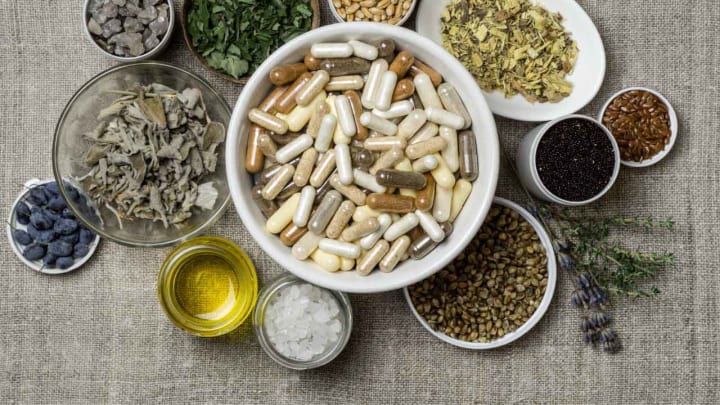
While using herbs in cooking is simple, the picture becomes more complex with herbal supplements. Some may offer benefits such as immune support, digestive aid, or stress relief. At the same time, supplements can carry risks due to inconsistent concentrations of active ingredients, contamination, or unnecessary fillers.
Turmeric and curcumin are common examples. Although research has shown potential health benefits, powdered or capsule forms are sometimes of poor quality, with reports of heavy metal contamination such as lead. This highlights the need for caution: anyone considering herbal supplements should choose trusted sources and remain more vigilant than when simply using herbs in food.
Practical Use of Herbs: Fresh Over Supplements
A practical approach is to prioritize fresh herbs in daily meals—using them consistently and in variety to maximize benefits. Overusing supplements without sufficient scientific backing may bring more risks than advantages.
Additionally, if you are taking medication or have pre-existing health conditions, it is best to consult a healthcare professional before using herbs in concentrated forms to ensure safety.
Conclusion
Herbs enrich the taste of meals and also provide valuable compounds that may benefit health. However, they are not “miracle cures” and cannot replace proper medical treatment.
The safest and most effective way to enjoy their advantages is to use fresh herbs regularly in cooking, combined with a balanced diet and a healthy lifestyle.
References
[1] Luo, C., Wei, X., Song, J., Xu, X., Huang, H., Fan, S., Zhang, D., Han, L., & Lin, J. (2022). Interactions between Gut Microbiota and Polyphenols: New Insights into the Treatment of Fatigue. Molecules, 27(21), 7377–7377. https://doi.org/10.3390/molecules27217377
About the Creator
VINATURA
Vinatura Supplements believes in the power of education to empower consumers to make informed choices about their health.
Website: https://www.vinatura.store/
Email: [email protected]
Hotline: 3023060899
Zipcode: 19703
Why I Write
Why do I write? There weren’t enough stories on page and screen that I liked, so I wrote my own. The first time I saw Bride of Chucky I was appalled because they ruined that character. It went against everything that series had been for years prior to 1998. None of the three previous films had any sex scenes. This one did. The other three made me give a shit about the protagonists. I did not give two hits about Jade and Jesse. Chucky was made to look like a goof instead of the foul mouthed and psychotic killer we all knew and loved. The point of this article was to answer the question: why do I write? I write the stories I want to see more of and written the way I want to see stories written.
By DJ Robbins4 days ago in Writers




Comments
There are no comments for this story
Be the first to respond and start the conversation.