
Helicopter Crash 2025
Helicopter Crash in New York City
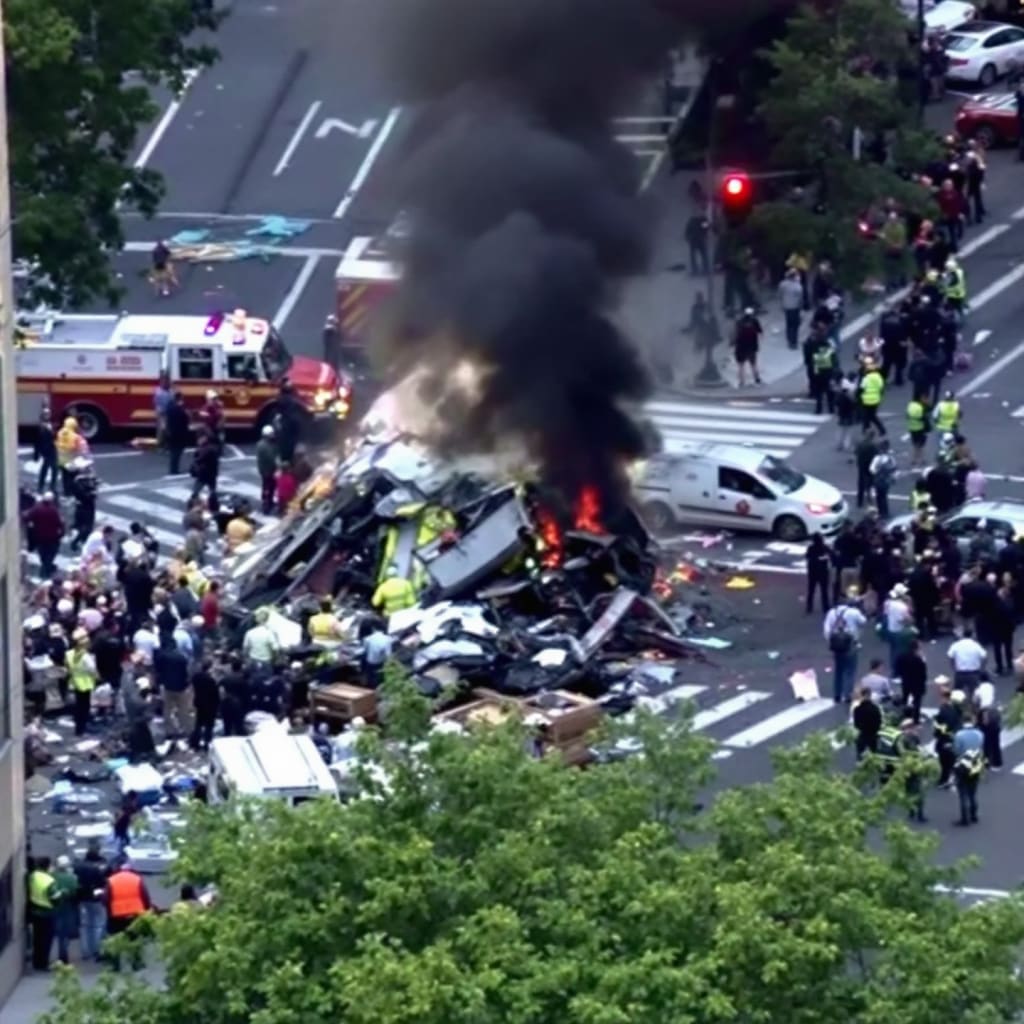
Helicopter Crash in New York City: A Tragic Incident in the Skyline
On a typical bustling day in New York City, a sudden tragedy struck the skies when a helicopter crashed, drawing immediate attention from emergency services, media outlets, and concerned citizens. Helicopter crashes in urban environments are rare, but when they occur, the consequences can be devastating due to the density of people, buildings, and infrastructure. One such tragic incident occurred in Midtown Manhattan, highlighting not only the inherent risks of urban aviation but also the need for strict regulatory oversight and enhanced safety protocols.
The crash involved a privately-owned helicopter that made a hard landing on the roof of a high-rise building. The incident happened under adverse weather conditions, with reports of low visibility and rain at the time. Initial investigations suggested that the pilot may have become disoriented in the poor weather, which could have contributed to the crash. The helicopter, reportedly not cleared for flight in such conditions, was operating under visual flight rules (VFR), which require the pilot to maintain clear visual reference to the ground — something that is difficult in fog or heavy rain.
The pilot, who was the sole occupant of the aircraft, tragically lost his life in the crash. Thankfully, no one inside the building or on the streets below was harmed. However, the accident caused a fire and significant panic among office workers and pedestrians in the area, many of whom initially feared a terrorist attack due to the sudden explosion and the memory of past incidents like 9/11. Emergency services responded rapidly, evacuating the building and extinguishing the fire, while investigators from the National Transportation Safety Board (NTSB) and the Federal Aviation Administration (FAA) were dispatched to determine the cause of the crash.
This tragic event reignited public debate about helicopter traffic over Manhattan. Many New Yorkers have long voiced concerns over the noise and safety risks posed by frequent low-flying helicopters, particularly those offering private charters or sightseeing tours. The incident led to renewed calls from city officials and community groups for stricter regulations or even a ban on non-essential helicopter flights over the city.
In the wake of the crash, aviation authorities conducted a thorough review of the pilot’s credentials, the helicopter’s maintenance history, and the flight’s authorization. While the full report would take months to finalize, preliminary findings pointed toward pilot error and poor weather conditions as the primary contributing factors. It also raised questions about the oversight of helicopter operations in congested airspace.
Ultimately, the helicopter crash in NYC served as a grim reminder of the vulnerabilities in urban aviation and the importance of enforcing strict weather guidelines, pilot training standards, and air traffic regulations. It sparked a broader conversation about balancing the conveniences of helicopter travel with the safety and peace of city residents. While the city mourned the loss of the pilot, it also looked forward to potential policy changes that could prevent similar tragedies in the future.
A helicopter crash in New York City is a rare but deeply alarming event, often attracting significant media attention due to the city's dense population and iconic skyline. One of the most well-known incidents occurred on June 10, 2019, when a helicopter crash-landed on the roof of a Midtown Manhattan skyscraper, sparking immediate fears and prompting a large-scale emergency response.
The 2019 crash involved a privately owned Agusta A109E helicopter. It took off from the 34th Street heliport and was reportedly en route to New Jersey when the pilot, Tim McCormack, encountered poor weather conditions. Heavy rain and low clouds created minimal visibility, making the flight especially dangerous. Just 11 minutes after takeoff, the helicopter crashed into the AXA Equitable building at 787 Seventh Avenue. The pilot was killed, and no one else was injured, but the crash prompted a partial evacuation of the building and sent shockwaves through the city.
The Federal Aviation Administration (FAA) and the National Transportation Safety Board (NTSB) immediately launched investigations into the cause of the crash. Preliminary reports highlighted the poor weather as a major contributing factor. The pilot was not cleared to fly under instrument flight rules, which would have been required in such low-visibility conditions. This raised broader questions about aviation regulations in urban environments, especially when it comes to non-essential helicopter flights.
In the aftermath, public officials and safety advocates called for stricter controls on helicopter traffic over Manhattan. Mayor Bill de Blasio expressed concern about the risks of non-emergency flights in such a congested area, and some lawmakers proposed legislation to limit or ban helicopter tours and charters over New York City altogether. Although the crash didn’t result in a broader tragedy, it served as a wake-up call about the potential dangers of helicopter activity in urban centers.
The incident also underscored the challenges emergency responders face when dealing with high-rise aviation accidents. Firefighters, police, and medical teams quickly mobilized to the scene, navigating both the busy Midtown streets and the vertical complexity of the skyscraper. Their rapid response helped ensure the safety of everyone in the building and minimized the potential for a larger catastrophe.
While the 2019 crash remains a stark reminder of the risks associated with urban air travel, it is not the only helicopter accident to occur in New York City. Past incidents, including crashes into the East River and along the city’s piers, have similarly raised concerns. These events often spark renewed debate about the balance between tourism, business convenience, and public safety.
Overall, helicopter crashes in NYC, though infrequent, highlight the need for tighter regulatory oversight, better enforcement of flight safety rules, and consideration of the unique risks posed by flying over one of the world’s most densely populated cities. As technology evolves and interest in urban air mobility grows, these discussions are likely to become even more relevant.
About the Creator
Keep reading
More stories from James Brock and writers in Writers and other communities.
Sandro Mamukelashvili’s Historic Scoring Outburst: A New Era for the San Antonio Spurs and ESPN Fantasy
The world of professional basketball is always evolving, with new stars emerging from unexpected places. One of the latest surprises comes from the San Antonio Spurs, as Sandro Mamukelashvili—a name few knew before the 2023-2024 NBA season—has burst onto the scene in spectacular fashion. As fans of ESPN and the wider NBA community look for the next big talent, Mamukelashvili’s historic performance has catapulted him into the spotlight. This article explores Mamukelashvili’s incredible rise, his performance against the New York Knicks and San Antonio Spurs, and how his emergence is shaking up ESPN Fantasy leagues.
By James Brock12 months ago in Gamers
You're Doing Five Things To Market Your Self-Published Book. None Of Them Work. Here's Why.
After publishing 1 Lovelock Drive, I did everything I thought I was supposed to do. I posted about it on social media. I told everyone I knew. I shared the Amazon link in my bio, stories, and group chats. I waited for readers to discover it; I refreshed my sales dashboard daily, then hourly, then compulsively.
By Ellen Frances6 days ago in Writers
Worth the Wait: Puerto Viejo, Costa Rica
Beach bumming in a small Caribbean beach town sounded like a perfect way to end our 6-month trip through Mexico and Central America. Or so we thought. The foul, fishy stench of rotten seaweed hit our nostrils as we stepped from the cramped bus and looked out at a rather depressing, empty, and underwhelming black sand beach. It was pouring with rain, and we had to quickly fish out our ponchos. We thought, this couldn’t be it, could it?
By Sh*t Happens - Lost Girl Travel4 days ago in Wander




Comments
There are no comments for this story
Be the first to respond and start the conversation.