
Healthcare Events Highlight Digital Twins Transforming Patient Health
Can you imagine a digital model of your body helping doctors design treatments specifically for you?


This transformative technology isn’t just a futuristic idea; it’s happening now through digital twins in healthcare. These virtual replicas of patient health empower doctors to simulate outcomes, detect issues early, and personalize treatments with unmatched precision.
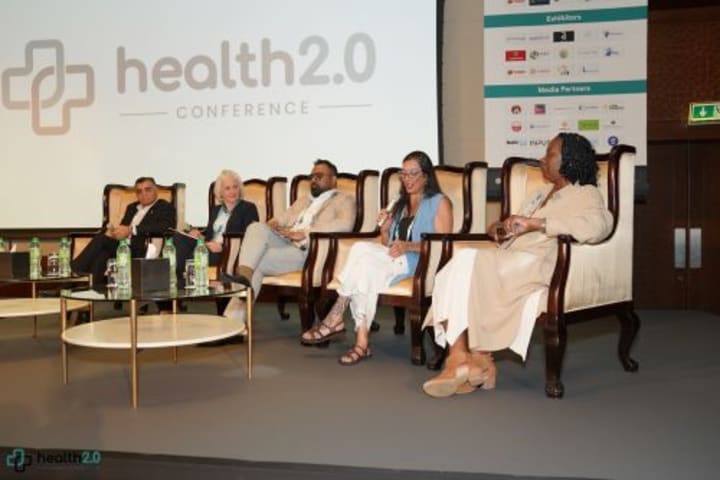
Experts at the healthcare conference in the USA, notably the Health 2.0 Conference, are set to explore how digital twins are transforming patient care. This innovative approach will be a key focus as specialists discuss how digital twins enable early detection, precise treatments, and proactive health management. In this blog, we’ll dive into how digital twins work, their unique benefits for personalized medicine, and the remarkable future they promise. More than just a tool, digital twins represent a leap forward, ready to redefine modern healthcare.
What Are Digital Twins In Medicine?
In healthcare, virtual models now replicate patient health in real-time, creating what is known as a “digital twin.” These replicas collect and integrate data from sources like medical records, wearable devices, and sensors to provide a live reflection of a patient’s health. Constant updates enable healthcare providers to track health changes, simulate outcomes, and adjust treatments based on individualized insights. This groundbreaking technology transforms patient care, allowing for predictive, data-driven decisions that enhance accuracy and personalize treatment options.
How Digital Twins Work?
Data from medical devices, wearables, and health records flows continuously to create a dynamic model of the patient’s health. Artificial intelligence (AI) and machine learning then analyze this data, uncovering patterns and predicting outcomes that allow healthcare providers to make proactive adjustments. By detecting subtle health changes and trends, AI helps anticipate issues before they arise, giving doctors a valuable edge in patient care.
Advanced 3D visualization tools bring this digital twin to life, creating a detailed virtual model that allows healthcare teams to test treatments safely before applying them to the patient. Together, these technologies enable a highly responsive, precise approach to personalized care, paving the way for a future where treatments are not only tailored but also anticipatory. The ongoing discussions at healthcare events, particularly the Health 2.0 Conference, highlight how digital twins are set to redefine modern medicine, offering insights into this cutting-edge approach.
Perks Of Digital Twins For Personalized Medicine
Digital twins offer remarkable advantages in personalized medicine, enhancing how healthcare providers diagnose, monitor, and treat patients. This technology simulates a patient’s health in real time, allowing for a more precise and individualized approach to medical care.
Accurate Diagnostics: Real-time simulations help doctors diagnose conditions more accurately, often catching issues before symptoms develop.
Predictive Health Insights: Digital twins can forecast disease progression and likely treatment outcomes, allowing healthcare providers to plan more effectively.
Custom Treatments: Doctors can test treatments on the digital twin, finding the most effective approach for the actual patient’s unique needs.
Proactive Chronic Care: Digital twins support continuous monitoring of chronic conditions, enabling timely adjustments to treatment plans.
Key Applications Of Digital Twins In Medical Fields
Digital twins transform medical fields by enabling precise simulations and personalized care for complex health conditions. From heart disease to cancer, this technology allows specialists to model and predict patient-specific responses, making treatments more effective and recovery faster. Healthcare events are showcasing these advancements, offering insights into how digital twins are driving personalized, patient-centered approaches and setting new standards in medical care.
Cardiology: Digital twins simulate heart function with precision. This allows cardiologists to tailor treatments, monitor conditions closely, and predict complications early.
Oncology: By modeling cancer progression, digital twins help oncologists assess individual therapy responses. This enables more refined and effective treatment plans for each patient.
Orthopedics: Digital replicas of bones and joints guide surgeons in performing precise procedures. They also aid in recovery planning and improve patient-specific rehabilitation strategies.
Rehabilitation: In physical therapy, digital twins simulate patient movement and progress, allowing therapists to customize and adjust exercises to maximize recovery outcomes.
Challenges And Limitations In Digital Twin Technology
While digital twin technology offers transformative potential in healthcare, it also faces significant challenges and limitations. At the healthcare conference in the USA, experts are addressing these challenges and outlining steps to overcome barriers, aiming to unlock the full potential of digital twins in transforming patient care.
Privacy And Security Risks: Handling sensitive patient data involves potential privacy risks. Robust data protection measures are crucial for ensuring confidentiality and security.
High Costs And Technical Demands: Creating and maintaining accurate digital twins requires advanced infrastructure. This can be costly, limiting accessibility for smaller healthcare providers.
Need For Accurate Data: A digital twin is only as reliable as the data it receives. Continuous, high-quality data input is necessary to ensure an accurate model.
Integration Challenges: Incorporating data from multiple devices and systems can be complex. Ensuring compatibility and seamless integration is essential for an effective digital twin.

Future Of Digital Twins In Healthcare
The future of digital twins in healthcare is filled with potential, promising to transform how we monitor, treat, and manage health conditions. As technology continues to advance, digital twins could become a foundational tool in both personalized medicine and remote patient care.
Integration With Telemedicine: Digital twins could enhance remote care by providing real-time health simulations. This integration allows doctors to monitor patients more effectively, even from a distance.
Broader Accessibility: As technology becomes more affordable, digital twins may expand beyond specialized areas. This could make personalized healthcare available to a wider range of patients.
Enhanced Predictive Power: With advancements in AI, digital twins will become more precise in predicting health outcomes. This enables even more proactive and preventative care.
Continuous Innovation: Future developments in AI and data science will drive further improvements. These innovations will make digital twins an even more integral part of patient care.
Conclusion
This innovative technology is reshaping healthcare by merging real-time data, predictive insights, and highly personalized care to achieve what was once unimaginable. By allowing doctors to diagnose with precision, predict outcomes, and tailor treatments, digital twins are transforming medicine from reactive to proactive care. Networking with experts at a healthcare conference in the USA, such as the Health 2.0 Conference, provides a valuable opportunity to explore how digital twins enable healthcare providers to predict and address health issues in advance. With advancements in AI, digital twins promise a future where healthcare becomes not only more precise but also truly patient-centered, making healthcare safer, smarter, and uniquely tailored to each individual.
About the Creator
Health 2.0 Conference
Health 2.0 Conference provides a unique opportunity for the industry’s change makers to meet, network, and collaborate while brainstorming on the latest disruptions and innovations of the sector.
Keep reading
More stories from Health 2.0 Conference and writers in Writers and other communities.
Health Events Highlight Efforts To Improve Disability Access In Healthcare
Inaccessible facilities, poor communication tools, and limited policies create barriers that leave many without the care they need. These challenges impact individual well-being and increase health disparities across communities.
By Health 2.0 Conferenceabout a year ago in Writers


Comments
There are no comments for this story
Be the first to respond and start the conversation.