
Graphic Novels: Bridging the Gap Between Art and Literature
How Illustrated Stories Are Transforming Reading Habits and Engagement

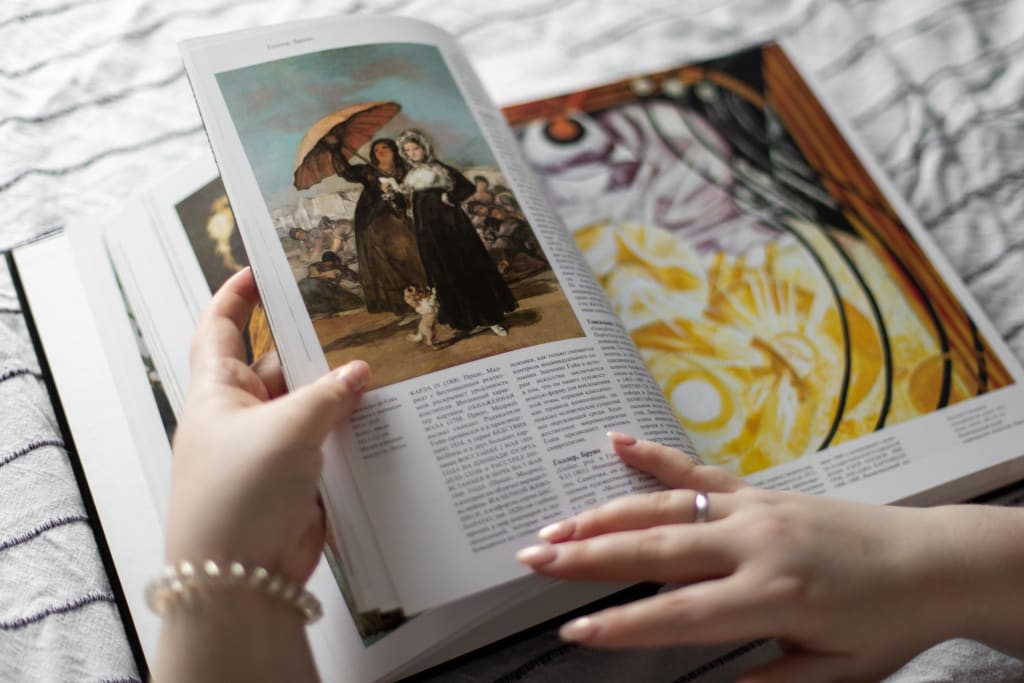
Graphic novels have emerged as a significant and dynamic form of storytelling that fuses visual art with literary narrative. This medium combines illustrations and text to create immersive narratives that engage readers in unique ways. Over the past few decades, graphic novels have gained increasing recognition, not only as a popular entertainment format but also as a legitimate literary art form. This article explores the evolution of graphic novels, their impact on literature and culture, and their potential to convey complex themes and narratives.
The Evolution of Graphic Novels
Historical Background
The roots of graphic novels can be traced back to early forms of illustrated storytelling, including comic strips and picture books. While comic books gained popularity in the mid-20th century, the term "graphic novel" became widely used in the 1970s, with works such as "A Contract with God" by Will Eisner paving the way for the genre. Eisner's work was groundbreaking, as it utilized the graphic novel format to tell mature, sophisticated stories that explored human experiences.
Defining the Genre
A graphic novel typically consists of a long-form narrative presented in a comic book format. Unlike traditional comics, which often feature episodic content, graphic novels tend to have a cohesive storyline and character development akin to prose novels. The genre encompasses a wide range of styles, themes, and formats, from memoirs and historical fiction to fantasy and science fiction.
The Impact of Graphic Novels on Literature
Expanding Narrative Possibilities
Graphic novels offer a unique blend of visual and textual storytelling that allows for rich narrative possibilities. The interplay between images and words can convey emotions and concepts in ways that text alone may struggle to achieve. For example, "Maus" by Art Spiegelman uses stark black-and-white illustrations to depict the Holocaust, creating a powerful emotional impact that resonates deeply with readers.
Accessibility and Engagement
One of the most significant contributions of graphic novels is their ability to engage diverse audiences, including reluctant readers and younger audiences. The visual component can make reading more accessible and enjoyable, bridging the gap for those who might find traditional prose intimidating. Works like "Persepolis" by Marjane Satrapi and "American Born Chinese" by Gene Luen Yang tackle complex themes such as identity and cultural heritage, making them approachable through their engaging visuals.
Recognition in Literary Circles
As graphic novels gain respect within literary circles, they have begun to receive prestigious awards and recognition. For instance, "Fun Home" by Alison Bechdel won the Eisner Award and was a finalist for the Tony Award, showcasing the potential of graphic novels to cross genres and engage audiences on multiple levels. Such recognition validates the medium as a serious form of literature and encourages further exploration of its capabilities.
Bridging Cultural Gaps
Diverse Voices and Perspectives
Graphic novels serve as a platform for diverse voices and experiences, often addressing issues of race, gender, and identity. By amplifying underrepresented narratives, graphic novels can challenge societal norms and provide readers with new perspectives. For example, "The Arrival" by Shaun Tan is a wordless graphic novel that explores the immigrant experience through evocative illustrations, allowing readers to engage with the emotional journey of displacement and adaptation.
Educational Potential
In educational settings, graphic novels can facilitate discussions on complex topics and themes. They can be used to introduce historical events, literary concepts, and social issues in an engaging format. Teachers are increasingly incorporating graphic novels into their curricula, recognizing their ability to stimulate critical thinking and foster empathy among students. For example, using graphic novels in history classes can provide a visual context that enhances understanding and retention of information.
The Art of Storytelling
Visual Storytelling Techniques
The artistic element of graphic novels is crucial to their storytelling power. Artists employ various techniques, such as panel layout, color schemes, and character design, to convey mood and atmosphere. The juxtaposition of images and text can create a rhythm that enhances the narrative flow. For instance, the use of larger panels may emphasize pivotal moments, while smaller panels can convey rapid action or emotional intensity.
Character Development and Emotion
The combination of visual and written elements allows for nuanced character development. Artists can convey subtle emotions through facial expressions and body language, adding depth to the narrative. This synergy between art and literature enables readers to connect with characters on a personal level, fostering empathy and understanding.
Challenges and Future Directions
Perception and Misunderstanding
Despite their growing popularity, graphic novels still face challenges in gaining widespread acceptance as a legitimate literary form. Some critics argue that the visual elements detract from the complexity of storytelling found in traditional literature. This misconception can lead to an undervaluation of graphic novels as serious works of art and literature.
The Digital Revolution
The rise of digital platforms has transformed the landscape of graphic novels. Webcomics and digital graphic novels have expanded accessibility, allowing creators to reach global audiences. However, this shift also raises questions about copyright, distribution, and the sustainability of traditional publishing models.
Conclusion
Graphic novels represent a powerful fusion of art and literature that has the potential to engage, inform, and inspire. By bridging visual storytelling with rich narratives, they offer unique perspectives on complex themes and issues. As graphic novels continue to evolve and gain recognition, they challenge traditional notions of literature, inviting readers to explore the limitless possibilities of storytelling. In a world where diverse voices and narratives are more important than ever, graphic novels stand as a testament to the enduring power of the written word and visual art to spark dialogue and foster understanding.
About the Creator
Lawson Brooks
Author
Keep reading
More stories from Lawson Brooks and writers in Writers and other communities.
The Rise of Audiobooks: How Listening is Changing the Reading Experience
In recent years, audiobooks have surged in popularity, transforming the way we consume literature. With the rise of digital platforms and advances in technology, listening to books has become a convenient and engaging alternative to traditional reading. This article explores the reasons behind the rise of audiobooks, their impact on readers, and how they are reshaping the literary landscape.
By Lawson Brooksabout a year ago in Writers
Copywriter Meaning, Responsibilities, Skills & How to Become One in 2026
In 2026, the word copywriter carries more weight than ever before. What once referred mainly to someone who wrote advertisements has evolved into a profession that sits at the center of business growth, digital influence, and brand trust. In a world saturated with content, copywriters are no longer just writers; they are strategic communicators who shape how people think, feel, and act.
By Sathish Kumar about 8 hours ago in Writers
Ludacris and Nelly draw backlash over bookings at MAGA-coded music festival
Ludacris and Nelly headlining a mostly right-wing event is good for them. It’s also great for the genre of hip hop. The two rap veterans have showcased their talents on other stages. Why can’t they perform for mostly MAGA folks and grab that bag?
By Skyler Saunders5 days ago in Beat



Comments
There are no comments for this story
Be the first to respond and start the conversation.