
From Silicon Valley to Self-Discovery: Author Rikki West on Reinvention and Resilience
Author Spotlight

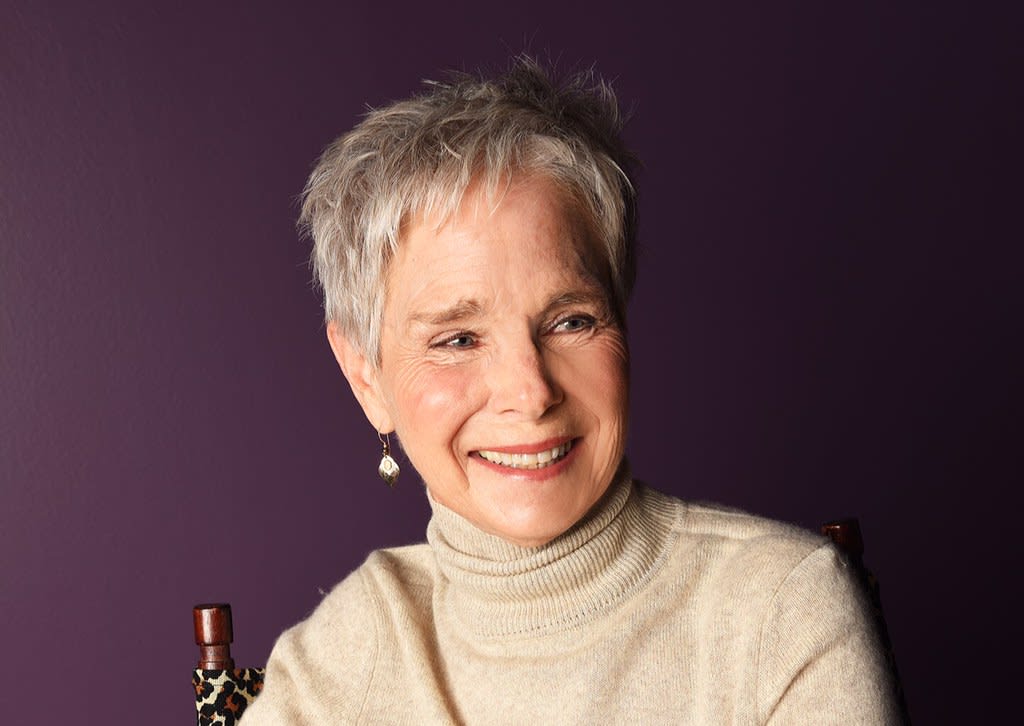
Life has a way of throwing unexpected curveballs, and few know this better than author Rikki West. Once thriving in Silicon Valley, her world turned upside down during the dot-com bust, leaving her without a job and, at 56, grappling with the harsh reality of being deemed "too old" for the workforce. Her decade-long journey of odd jobs, self-reflection, and reinvention is chronicled in her powerful new memoir, The Empty Bowl: Pursuing Truth in a Messy World.
In her 70s, Rikki shares the lessons she's learned about aging, freedom, and finding joy amid uncertainty. Her story offers not just inspiration but a roadmap for navigating life's unexpected detours with resilience and grace.
Please tell us about your book. Who is your target audience and why?
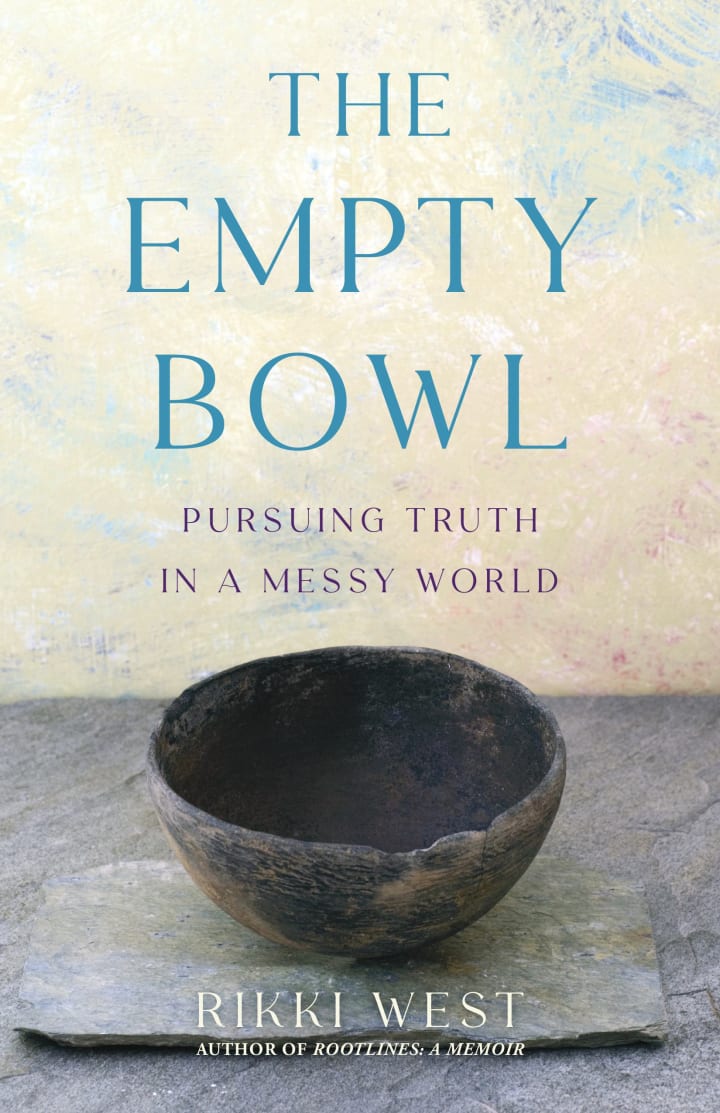
My new memoir is The Empty Bowl: Pursuing Truth in a Messy World (She Writes Press, January 14, 2025).
I wrote it for those who couldn’t get through Zen and the Art of Motorcycle Maintenance, seekers with gnawing hunger for answers, addicts, people struggling with generational trauma, and my fellow gays and single moms.
The Empty Bowl is the story of a human seeking self-knowledge — fraught with victories and disappointments, streaked with longing for love and peace. As a little girl, I prayed for my drunk father, begging God not to send him to hell. Slogging through drugs, escaping cult-like new age Buddhism, studying science at US Berkeley in the ’60s, creating a career in Silicon Valley and raising my daughter as a single mom, I searched for that God, or any God, as an active presence in my life.
Only when I coincidentally heard the phrase “drop the seeker” did I understand that the answers I longed for were hiding in plain sight. Only after I thew overboard all my old ideas about God did something unexpected and wonderful blossom in my world.
What were the first steps you took in redefining yourself after leaving your Silicon Valley career?
The first shift was to veer away from evaluating my self-worth based on my possessions and social status. When I could no longer afford vacations in Hawaii and Baja cruises, I hid this from my peers. When I could no longer afford a Starbucks, I hid myself from my peers. Then loneliness plagued me like a broken hip.
My self-esteem had always been grounded in looking good, making money and showing off a bit. Naked, where could I find my real value?
I looked within. I tried techniques from eastern traditions, like fasting, chanting, and meditation. I scrubbed through western ideas and current science for explanations. What am I? Am I worthy of happiness? Of love?
The second shift was to start expressing my creativity. I had long buried my own sensibilities in pursuit of a career that could finance my family and lifestyle. In retirement I could find my own means of expressing happiness and the joy of being.
Why do you believe work is so central to self-respect, even when it doesn’t align with our original career goals?
After I failed to find work for years on end, my savings dwindled until I could no longer cover my share of living expenses. When my partner (later spouse) paid the bills, I could see the pursed lips and twitch of the eyebrow that said everything. There are few things as shaming as knowing you are a burden on someone, even if they love you. It created a vast power imbalance. I felt I had no voice in our life choices since I couldn’t pay my half.
So I grabbed every money-making opportunity I could — building decks, delivering newspapers, writing ad copy, substitute teaching. Just covering part of the grocery bill and my own toiletries gave me fresh courage. Over the years, my partner learned to respect me for my efforts, and so did I.
Today I have several income streams that enable me to fully pay my own way. As the old AA promise stated, I no longer fear financial instability. I no longer have to depend on my wife’s money to make my way in the world, and I have equal power in the marriage.
What does freedom and joy mean to you now?
The demons of the father haunt the child.
In my story, an ordinary person confronts the addiction, victim attitude, fear, and shame she inherited, and finds her own way forward into a successful life with a loving family.
The first freedom I noticed was freedom from the dark emotions and negative thought patterns embedded during childhood. Later came the freedom to love, forgive, accept, release, and be at ease with reality.
Joy, in the sense of a quiet contentment and mild delight, appeared naturally when the light of my true heart (or awareness, or being, or call it God) was able to shine through the mask that had hidden it.
What advice would you give to others who feel like they’ve “aged out” of their industries but still want to contribute professionally?
An entire second life awaited me in retirement. But I needed an income. It took a while, but I found online, part-time work that uses a number of professional skills. The income empowers me to explore and invest in myself.
I discovered I have passions: playing guitar, hiking, Muay Thai kickboxing, and exploring the nature of reality. I have published two memoirs; the first called Rootlines, about family healing. This new one, The Empty Bowl, is about the recognition of basic truth.
In your opinion, how can society and employers better support older workers in a rapidly changing job market?
Nowadays companies treat employees as fungible quantities that can be swapped in and out like spare parts. This can wreak havoc on one’s family life: incomes become unreliable, work hours get limited and can vary week to week, taking second or third jobs gets difficult when availability is uncertain. It would help to change those practices.
People get laid off simply because they have been on the job a long time, earning a salary commensurate with their work. New hires will accept smaller salaries, so companies dump older workers, often before their retirement pay becomes available.
Rather than layoff seniors, why not offer us the jobs we currently have at the lower salary companies would pay college hires? Or offer ongoing training to empower us as technology changes? And we could change some of the rules for accessing 401K or other retirement accounts when they are needed, rather than when we hit a defined age.
What do you hope readers will take away from The Empty Bowl in terms of finding freedom and joy despite life’s uncertainties?
Before you die, take the time to explore what it is in you that is aware.
I first learned to notice the flow of feeling, thoughts, and sensation that continually appear and pass away. Then, I shifted the lens to the background, where an always present awareness is available to experience the flow. What is it that does the experiencing? What is that?
That is always present with me as my being, underlying the patterns of thought and behavior that characterize me as a person-in-the-world. That vast awareness does not belong to me, but I belong to it.
To recognize that endlessly creative and peaceful self while you exist, in this form, with this life, could be the greatest adventure you ever have.
What else would you like to share with our readers at this time?
If you ever feel like a loser, or tarnished goods, or not-good-enough, remember there is more to you than meets the eye. We’ve got more power and goodness inside that we can even imagine. And because as humans we are aware of our own awareness, we can recognize the simple, aware, singular being deep in our own hearts. Here, when we feel most naked, we begin to find our core of truth, goodness, and beauty. It’s not out there.
How can we keep up to date online?
Find me at: www.rikkiwest.com
Write to me at: [email protected]
About the Creator
Tammy Reese
Tammy is best known for her legendary interviews with Sharon Stone, Angela Bassett, Sigourney Weaver, Geena Davis, Morris Chestnut, Jeffrey Dean Morgan, Sheryl Lee Ralph, Laurence Fishburne, Omar Epps, Joseph Sikora, and more.
Keep reading
More stories from Tammy Reese and writers in Writers and other communities.
Jerry Anthony Grigger: The Soulful Poet Redefining Urban Literature
Jerry Anthony Grigger, known to many as JAG, is a soulful scribe from Southwest Philadelphia whose words resonate like a finely tuned melody. From his early days as a ten-year-old penning lines in the margins of his notebooks, to drawing inspiration from the lyrical geniuses of Babyface, JAY-Z, and Nicki Minaj, Grigger has evolved into a self-published author with two poetry books. His work has graced the pages of prominent magazines and he has served as a lead writer at SUAVV Magazine and the Entertainment/Music Editor at OBVIOUS Magazine. Through his writing, Grigger aims to leave a lasting legacy that heals, inspires, and transforms.
By Tammy Reeseabout a year ago in Writers




Comments
There are no comments for this story
Be the first to respond and start the conversation.