
First Baby Dire Wolf Born After 12,000-Year Extinction
Reviving a Lost Legend: Dire Wolves Return After 12,000 Years
Article Image
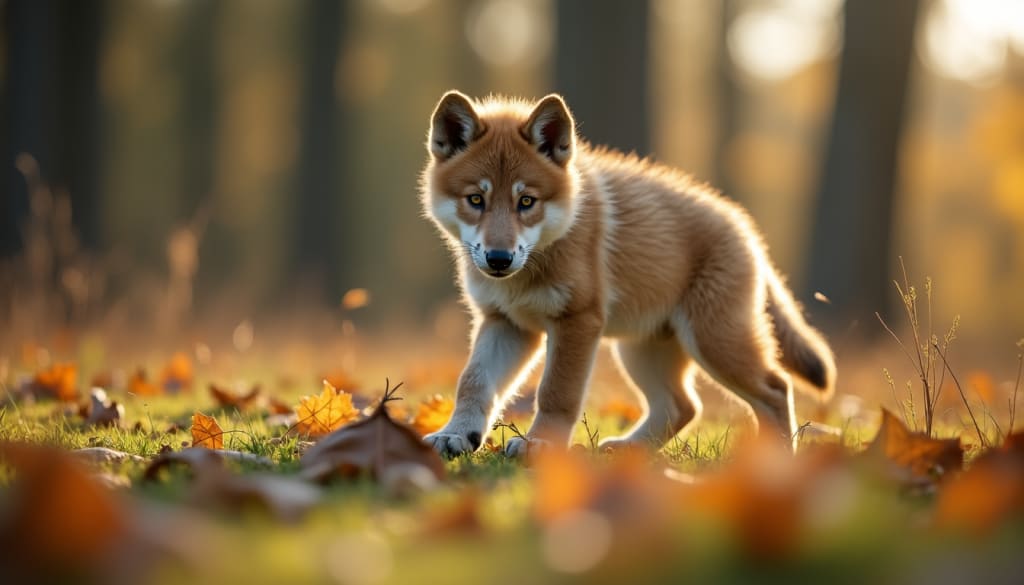
Scientists at Colossal Biosciences have achieved a remarkable feat by bringing back the first baby wolf species that vanished 10,000 years ago. The dire wolf pups - Romulus, Remus, and Khaleesi - now weigh about 80 pounds at three to six months old. This breakthrough substantially advances our de-extinction efforts.
These majestic creatures will grow much larger than today's wolves. Their adult size will reach 6 feet in length with weights up to 150 pounds. The pups now live in a secure 2,000-acre facility that protects them. Science has made possible what seemed impossible by reviving a species that ruled North America as its top predator more than 12,000 years ago.
Scientists Resurre
Colossal Biosciences made a groundbreaking scientific achievement by bringing back the extinct dire wolf through state-of-the-art genetic editing and cloning. The Texas-based biotech company revealed this breakthrough in early April 2025. They became the first to create a de-extinct animal, establishing themselves as leaders in species resurrection. Their technological approach proved viable for future conservation work.
Scientists started their quest by analyzing ancient DNA from prehistoric fossils. The team at Colossal got two vital specimens from natural history museums: a 13,000-year-old tooth from Sheridan Pit, Ohio, and a 72,000-year-old skull fragment from American Falls, Idaho. These specimens helped recreate this magnificent Ice Age predator's genetic blueprint.
"Our team took DNA from a 13,000-year-old tooth and a 72,000-year-old skull and made healthy dire wolf puppies," said Ben Lamm, Colossal Biosciences' CEO and co-founder. The team generated seventy times more data on the dire wolf genome than anyone before them.
Beth Shapiro, Colossal's chief scientific officer, played a key role in this success. She had worked with the team that first got dire wolf DNA from fossils in 2021. Dr. Shapiro led the scientists who used new methods to isolate DNA from fossils. They focused on the petrous (inner ear) bone of the skull, which keeps genetic material intact exceptionally well.
The genetic analysis revealed surprising facts about dire wolves. These ancient creatures share about 99.5% of their DNA with gray wolves. Gray wolves turned out to be the closest living relatives to the extinct species. This genetic similarity became the foundation for bringing them back.
Scientists carefully compared the dire wolf genome with modern canids like wolves, jackals, and foxes. They identified specific genetic variations that gave dire wolves their unique traits. The analysis showed that dire wolves split from the main canid branch about 4.5 million years ago. They later bred with ancestors of today's gray wolves and coyotes around 2.6 million years ago.
The Colossal team then started the challenging task of editing the gray wolf genome. They made 20 genetic edits across 14 different genes in gray wolf cells. This set a new record for unique genetic edits in any animal. These changes targeted specific traits that made dire wolves different from modern relatives.
The genetic edits focused on:
Light-colored coat and hair length
Coat patterning and thickness
Body size and musculature
Skull and jaw structure
Metabolic functions
The dire wolf's appearance held particular interest. Genome analysis showed genes for a light-colored coat with thick, dense hair. The dire wolf genome had protein-coding substitutions in three key pigmentation genes: OCA2, SLC45A2, and MITF. These genes directly affect melanocyte function and development.
Scientists transferred the modified genetic material into empty dog egg cells after editing the gray wolf cells. They took blood cells from living gray wolves, modified them genetically, and moved them to donor eggs. The team used Endothelial Progenitor Cells (EPCs) from blood vessels. This new method needs only a simple blood draw instead of invasive tissue sampling.
Large domestic dogs carried the embryos as surrogate mothers. The puppies grew for about 62 days before birth - the first dire wolves in over 10,000 years. Most embryos failed to develop despite multiple transfers. Each surrogate received about 45 embryo transfers, but only a few led to successful pregnancies.
Matt James, Colossal's chief animal officer who watched over the pregnancies and births, remembered the crucial moment: "So when I saw them born and they were white, I was like, we've done it. Those are dire wolves". Years of research and innovation culminated in these successful births.
About the Creator
Keep reading
More stories from writers in Writers and other communities.
New Doors To Open - A Mikeydred January Dollar Prompt For All Vocal Creators
Introduction The Five Tip Stories Added Every so often, I set prompts in the Vocal Social Society and offer a dollar tip to five random creators who take part in it and ask them to share their stories in the comments and on the thread in the group.
By Mike Singleton 💜 Mikeydred a day ago in Writers


Comments
There are no comments for this story
Be the first to respond and start the conversation.