
Exploring the Divine: The Trinity and Its Reflection of a Singular, Multifaceted God
A Deep Dive into the Mysteries of Christian Theology and Its Universal Implications

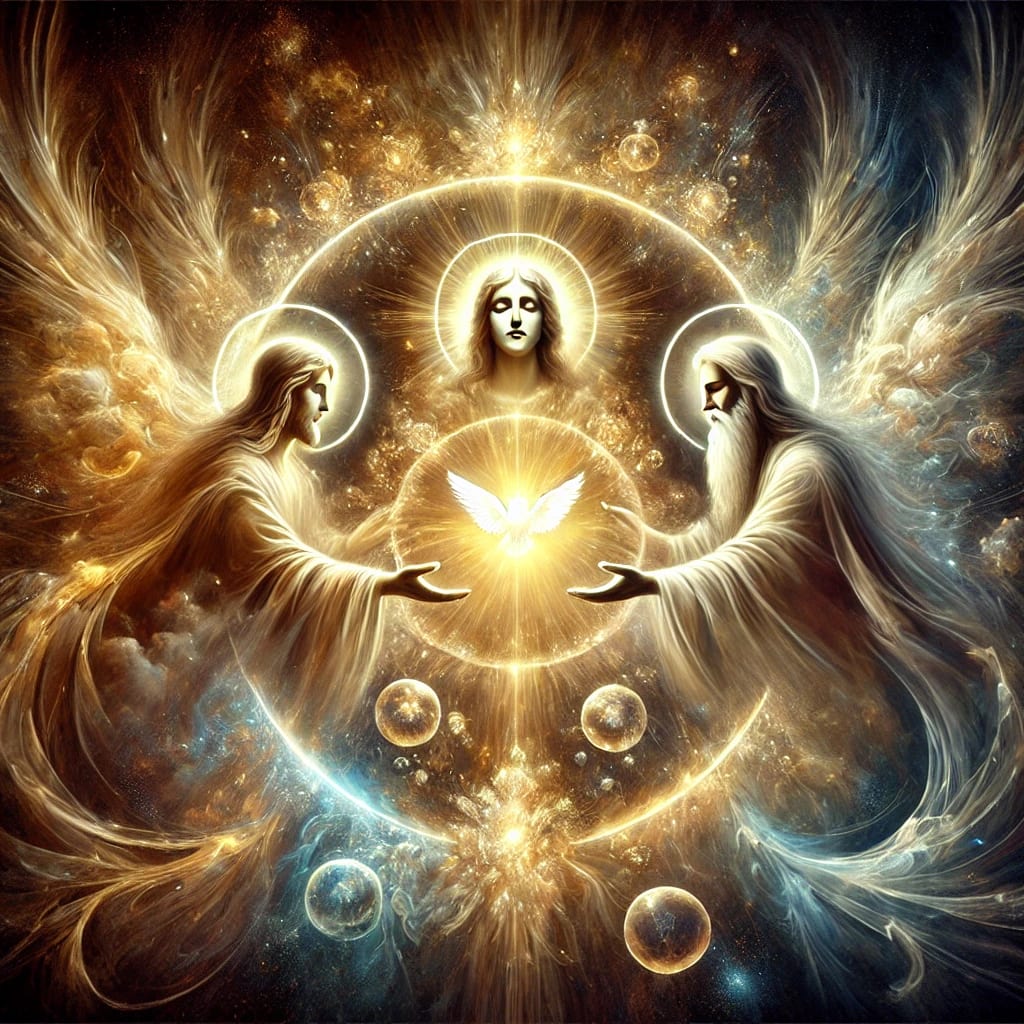
The concept of the Trinity in Christianity is not only central to its doctrine but also a profound reflection of a God who is singular yet multifaceted. This complex theological principle, encapsulating the Father, Son, and Holy Spirit, offers a unique perspective on divine omnipotence and its manifestations across various dimensions of faith and human experience.
The Nature of the Trinity
The doctrine of the Trinity describes God as three persons in one essence: the Father, the Son, and the Holy Spirit. This concept challenges our human understanding and categories, as God transcends all earthly notions of existence. The Christian belief in the Trinity emphasizes that while God reveals Himself in three distinct forms, He remains one cohesive, indivisible entity. The Father creates, the Son redeems, and the Holy Spirit sustains. Each Person of the Trinity engages with the world in a manner that complements and supports the actions of the others, reflecting a perfect and dynamic unity.
The Misconceptions and Clarifications
One common misunderstanding about the Trinity, especially from the perspective of other faith traditions, is the view that Christians worship three separate gods. This is notably pointed out in interactions with Islamic theology, which strictly emphasizes the oneness of God and perceives the Christian doctrine of the Trinity as polytheistic. However, Christianity clarifies that the Son and the Holy Spirit are not additions to the Father but are coexistent and coeternal within the singular nature of God, thereby maintaining strict monotheism.
Omnipotence in the Trinity
The omnipotence of God is a theme that runs deeply through the Christian scriptures and is vividly illustrated in the roles and interactions of the Trinity. The Father's might is revealed in creation, as He speaks the universe into existence, showcasing His power to initiate and define existence. The Son’s role as the Redeemer reflects omnipotence in a form that is accessible and relatable to humanity, providing a bridge between the divine and the earthly through His acts and teachings. The Holy Spirit’s actions in guiding, comforting, and empowering believers highlight God’s continual presence and influence in the ongoing process of creation and redemption.
Human Experience and Divine Interaction
In human experience, the multifaceted nature of God as expressed through the Trinity allows for a more intimate and comprehensive relationship with the divine. Believers find comfort in the knowledge that God’s omnipotence covers all aspects of existence—from creation (Father), through redemption (Son), to ongoing spiritual empowerment and sanctification (Holy Spirit). This relationship reassures believers of a God who is both transcendent and imminent, capable of understanding and interacting with the complexities of human life.
The concept of the Trinity also addresses the existential questions of suffering and evil. While God’s omnipotence suggests that He could prevent such occurrences, the presence of the Son, who endured human suffering, and the Spirit, who comforts in times of distress, provides a model of divine empathy and solidarity with human suffering. This aspect of God challenges the traditional views of omnipotence through a lens of power that chooses to share in suffering rather than remain aloof.
Conclusion: A Call to Deeper Understanding
The doctrine of the Trinity enriches Christian theology with a profound complexity that reflects a God who is unified yet expressed in diverse ways. This understanding challenges believers to embrace a conception of omnipotence that is not only powerful but also deeply involved in the fabric of human experience. It encourages a faith that is dynamic, empathetic, and responsive to the needs of humanity.
In exploring these mysteries, the faithful are invited to deepen their understanding of God, not as a distant monarch but as a close, active presence in the world, whose power is made perfect in the manifold expressions of His being. Thus, the Trinity stands not only as a doctrine to be studied but as a call to experience the fullness of God’s presence in every aspect of life.
Amen.
About the Creator
Minding Fred
I'm Minding Fred, a small-town preacher of 30+ years, gently guiding you with soulful reflections rooted in scripture and life's wisdom. Join me daily to ease burdens, nurture hope, and enrich your journey with warmth and quiet strength.
Keep reading
More stories from Minding Fred and writers in Writers and other communities.
Uniting Through Generosity: Lessons from the First Congregation in Jerusalem
In a world where individualism often trumps community, the first congregation in Jerusalem provides a compelling blueprint for unity and shared responsibility. After the transformative events of Pentecost, this pioneering group not only embraced a new faith but also a radical approach to community and generosity that modern churches can still learn from.
By Minding Fred12 months ago in Writers
5 Very Important Lessons Learned About Writing
Writing and Publishing On Platforms If you're here, you're writing and publishing on a platform. No matter your reasoning for being here, something about the site attracted you and you suffer from the writer's bug. You need to get things out of you that are jumbling up your mind, whether they're stories you imagined, your life story, commentary on today's many social issues, or you are just sharing your favorite recipes. One way or another, you caught the bug and can't shake it!
By Jason Ray Morton about 20 hours ago in Writers




Comments
There are no comments for this story
Be the first to respond and start the conversation.