
Exploring the Boundaries: The Evolution of Book Genres
From Classics to Contemporary: How Genre Shapes Our Reading Experience

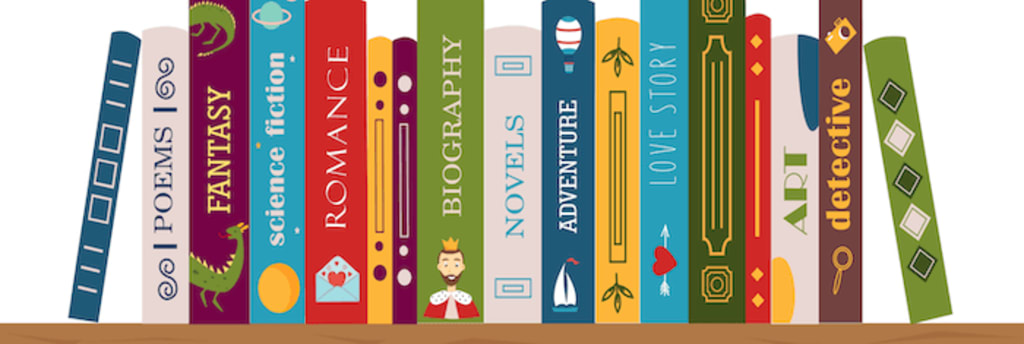
The world of literature is as vast and varied as the human experience itself. From the earliest oral traditions to today's digital storytelling, book genres have evolved dramatically, reflecting changes in society, culture, and reader preferences. This article delves into the evolution of book genres, exploring their origins, transformations, and the ways they shape our reading experiences.
The Origins of Genres
The concept of genre dates back to ancient times when storytelling was a communal activity. The Greeks, for example, classified literature into epic, lyric, and dramatic forms. These early categorizations laid the groundwork for later genres. The epic tales of Homer, such as "The Iliad" and "The Odyssey," set the stage for narrative-driven genres, while the tragedies of Sophocles and Euripides contributed to the development of drama.
As literature evolved, so did the genres. The Middle Ages brought forth chivalric romances, while the Renaissance introduced the sonnet and the novel. Each period’s cultural and societal norms influenced the literary forms that emerged, leading to a rich tapestry of genres.
The Rise of the Novel
The 18th century marked a significant turning point with the rise of the novel as a dominant genre. Works like Daniel Defoe's "Robinson Crusoe" and Jane Austen's "Pride and Prejudice" showcased the complexity of human relationships and individualism. This period also saw the emergence of sub-genres such as the Gothic novel, which combined romance with elements of horror and suspense, as seen in Mary Shelley's "Frankenstein."
The novel's popularity continued to grow through the 19th and early 20th centuries, leading to the proliferation of genres like historical fiction, science fiction, and mystery. Authors like Charles Dickens and Leo Tolstoy explored social issues through their narratives, while H.G. Wells and Jules Verne pushed the boundaries of imagination with speculative fiction.
The Fragmentation of Genres
By the mid-20th century, the literary landscape began to fragment. Readers were no longer content to stick to traditional categories; they sought new narratives that defied genre conventions. This era gave rise to postmodernism, where authors like Thomas Pynchon and Don DeLillo blurred the lines between genres, mixing elements of fiction, non-fiction, and even poetry.
As the publishing industry grew, so did the marketing of genres. Publishers began to categorize books more rigidly, leading to the creation of distinct genres such as romance, thriller, fantasy, and young adult. This segmentation catered to specific audiences and fueled the rise of genre-specific conventions.
The Digital Age and Genre Innovation
The advent of the internet has revolutionized the way we consume literature. E-books and online platforms have democratized publishing, allowing for a diverse array of voices and genres to emerge. Self-publishing has enabled authors to explore niche genres that may have previously been overlooked by traditional publishers, such as LGBTQ+ fiction, speculative memoirs, and diverse fantasy.
Moreover, digital storytelling formats, including podcasts, interactive fiction, and graphic novels, have expanded the definition of what constitutes a "book." Genres are no longer confined to print; they have become fluid, with stories that can blend elements from multiple genres or exist in entirely new forms.
The Future of Genres
As we look ahead, the future of book genres seems both exciting and unpredictable. The increasing emphasis on diversity in literature is prompting authors to challenge established norms and experiment with genre combinations. The rise of climate fiction (cli-fi) and Afrofuturism are examples of how contemporary authors are addressing pressing social issues through innovative storytelling.
Additionally, the influence of global literature is reshaping genres. Stories from different cultures are merging traditional elements with modern narratives, leading to a rich interplay of ideas and styles. The popularity of translated works has opened up new avenues for readers, encouraging them to explore genres outside their cultural context.
Conclusion
The evolution of book genres is a testament to the adaptability and creativity of literature. From ancient storytelling traditions to the dynamic landscape of today’s digital age, genres have continuously transformed in response to cultural shifts and reader desires. As we embrace the future of literature, one thing remains clear: the boundaries of genres are not fixed; they are fluid and ever-expanding, inviting readers and writers alike to explore new realms of imagination and expression.
In this landscape, readers are empowered to navigate the rich diversity of genres, discovering stories that resonate with their experiences while challenging their perceptions. The journey through literature is as limitless as the genres themselves, promising an ever-evolving exploration of the
About the Creator
Lawson Brooks
Author
Keep reading
More stories from Lawson Brooks and writers in Writers and other communities.
The Art of Novel Writing: A Comprehensive Guide
Writing a novel is both an exciting and demanding endeavor, often filled with moments of inspiration and challenges alike. Whether you’re a novice writer just starting out or an experienced author seeking to refine your craft, this guide will take you through key steps to help you bring your story to life in a compelling way.
By Lawson Brooksabout a year ago in Writers
It's Winter
Anne Bernays and Pamela Painter — What If? Writing Exercise for Fiction Writers prompts The Exercise —Write a scene involving two characters. Have the point-of-view character presume something entirely different about the situation from what the other character's overt behavior seems to imply. For example, a landlord comes to visit, and the tenant suspects that it isn't a visit but an inspection. Make up several situations in which one character can fantasize or project or suspect or even fear what another character is thinking. The Objective - To show how your characters can use their imaginations to interpret the behavior and dialogue of other characters.
By Denise E Lindquist18 days ago in Writers




Comments
There are no comments for this story
Be the first to respond and start the conversation.