
Experience the Thrill of Big Cats in India: A Comprehensive Wildlife Tour Guide
Embark on a Mesmerizing Journey to Witness India's Majestic Big Cats in Their Natural Habitat
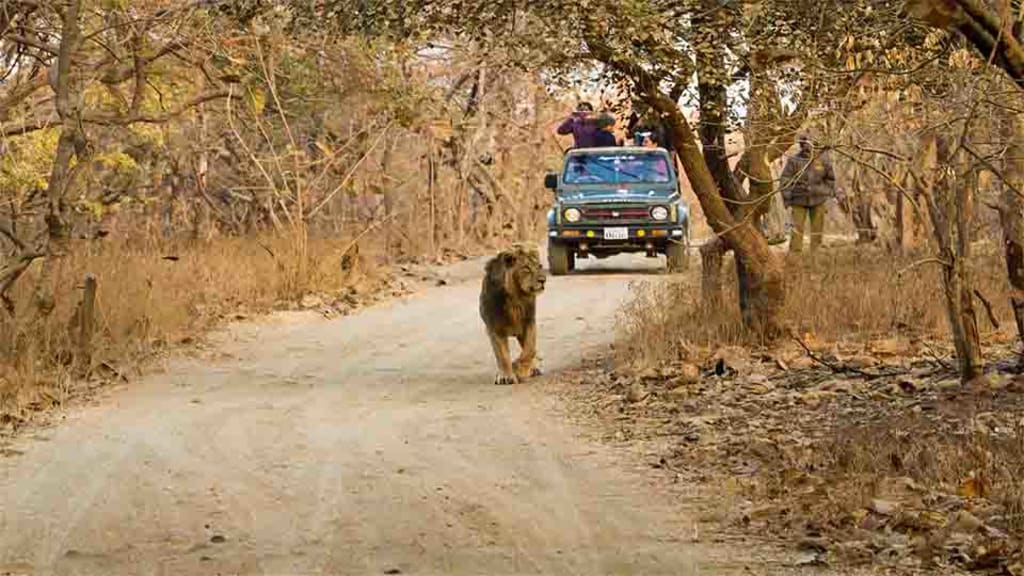
India, a land of diverse landscapes, is a haven for wildlife enthusiasts. Among its incredible biodiversity, the "big cats" hold a special allure. From the majestic Royal Bengal Tigers prowling through dense forests to the elusive snow leopards roaming the Himalayan terrain, India offers some of the most thrilling wildlife experiences. If you’ve ever dreamt of seeing these magnificent creatures in their natural habitat, this guide is your gateway to an unforgettable adventure.
Why Big Cats Are the Crown Jewel of Indian Wildlife
Big cats, including tigers, lions, leopards, and cheetahs, are apex predators that represent the epitome of strength, grace, and survival in the wild. They play a vital role in maintaining ecological balance and are a symbol of India's rich natural heritage. Witnessing a big cat in the wild is not just a sight; it’s a profound connection with nature.
India is home to several species of big cats, each inhabiting unique ecosystems, making the country a must-visit destination for wildlife enthusiasts and photographers.
Top Big Cats of India and Where to Spot Them
1. Royal Bengal Tiger
Where to Spot:
Ranthambore National Park (Rajasthan): Known for its photogenic tigers and stunning ruins.
Bandhavgarh National Park (Madhya Pradesh): Offers the highest tiger density in India.
Sundarbans National Park (West Bengal): The only mangrove habitat of tigers.
Tigers are the most iconic big cats in India. Their regal aura and striking orange-black stripes make them the most sought-after wildlife sighting.
2. Asiatic Lion
Where to Spot:
Gir Forest National Park (Gujarat): The sole habitat of the Asiatic lion, offering an exclusive chance to see this rare species.
Unlike their African counterparts, Asiatic lions are slightly smaller and live in forested areas. Watching a lion pride laze under the shade or hunt in the Gir Forest is an extraordinary experience.
3. Leopard
Where to Spot:
Kabini Wildlife Sanctuary (Karnataka): Famous for black leopards.
Jhalana Leopard Reserve (Rajasthan): An excellent place to spot leopards in semi-arid terrain.
Leopards are elusive, solitary, and known for their remarkable ability to adapt to various habitats. Spotting one lounging on a tree branch or stalking prey is a thrilling moment.
4. Snow Leopard
Where to Spot:
Hemis National Park (Ladakh): Known as the "Snow Leopard Capital of the World."
Spiti Valley (Himachal Pradesh): A challenging but rewarding destination for snow leopard sightings.
Snow leopards are among the rarest big cats. These "ghosts of the mountains" thrive in rugged terrains, making their sightings an unparalleled achievement for wildlife enthusiasts.
5. Indian Cheetah (Reintroduced)
Where to Spot:
Kuno National Park (Madhya Pradesh): The cheetah, reintroduced after decades of extinction in India, now roams here.
The cheetah, the world’s fastest land animal, is a symbol of speed and grace. Its reintroduction to India marks a historic milestone in wildlife conservation.
Planning Your Big Cat Tour in India
1. Choose the Right Season
The best time to visit wildlife parks in India is during the dry season, from October to June. During these months, water sources shrink, increasing the chances of spotting animals.
2. Book Safaris in Advance
Safaris in popular parks like Ranthambore or Bandhavgarh are in high demand. It’s wise to book your slots weeks or even months in advance to secure a spot.
3. Pick the Right Safari Type
Jeep Safari: Ideal for smaller groups, offering flexibility and better chances of close encounters.
Canter Safari: Economical, suitable for larger groups, but less private.
Both options are thrilling and guided by experienced naturalists who enhance your wildlife experience.
Tips for a Successful Wildlife Safari
Be Patient: Big cats are elusive creatures, and sightings often require patience. Enjoy the journey and the natural beauty around you.
Carry Essentials: Pack binoculars, a camera with a zoom lens, sunscreen, a hat, and plenty of water.
Wear Neutral Colors: Earthy tones like khaki, green, and brown help you blend into the surroundings.
Follow Park Rules: Respect the environment, avoid making noise, and never feed or disturb the animals.
Listen to Guides: The guides and drivers are experts who know the terrain and animal behavior well.
Other Wildlife to Spot Alongside Big Cats
While big cats are the stars, Indian wildlife sanctuaries are teeming with other fascinating creatures, including:
Elephants: Found in Corbett, Kaziranga, and Periyar National Parks.
Rhinoceros: Kaziranga National Park is home to the one-horned rhinoceros.
Birds: From hornbills to flamingos, India is a paradise for bird watchers.
Deer and Antelope: Spotted deer, sambar, and blackbucks are common prey for big cats.
The Role of Conservation in Big Cat Tourism
Wildlife tourism contributes significantly to conservation efforts in India. Entry fees and safari permits fund protection programs, habitat restoration, and anti-poaching measures.
Organizations like Project Tiger and Snow Leopard Conservation are working tirelessly to ensure these majestic creatures thrive. By visiting responsibly, travelers can contribute to these vital initiatives.
Ethical Wildlife Tourism: What You Need to Know
Avoid Over-Tourism: Visit less crowded parks to reduce pressure on popular destinations.
Support Local Communities: Stay at eco-friendly lodges and buy local crafts.
Don’t Disturb Wildlife: Maintain a respectful distance from animals to avoid stressing them.
By adopting these practices, you can enjoy a fulfilling experience while protecting India’s incredible biodiversity.
Why Choose India for Big Cat Tours?
India’s diverse geography, ranging from dense forests and grasslands to arid deserts and icy mountains, provides habitats for a wide variety of big cats. No other country offers the chance to see such a spectrum of feline predators in their natural environment. The blend of thrilling safaris, rich culture, and hospitality makes India a top destination for wildlife tours.
Conclusion
Experiencing the thrill of big cats in India is more than just a wildlife tour; it’s an adventure that connects you to nature in its rawest form. The sight of a tiger’s stealthy walk, a lion’s commanding roar, or a snow leopard’s grace amid snowy peaks leaves an indelible mark on the soul.
So, if you’re ready to immerse yourself in the wild and witness these majestic creatures up close, pack your bags, and set out on an incredible journey across India’s breathtaking landscapes. Let the adventure begin!
About the Creator
Keep reading
More stories from Ragni Negi and writers in Writers and other communities.
All You Need to Know About Bandhavgarh National Park
If you’re a wildlife enthusiast or simply someone who loves exploring nature, Bandhavgarh National Park should definitely be on your radar. Nestled in the heart of Madhya Pradesh, India, this park is not just a sanctuary for majestic animals like the Bengal tiger but also a testament to India’s rich cultural and natural heritage. Let’s explore everything you need to know about Bandhavgarh National Park and its remarkable conservation journey.
By Ragni Negiabout a year ago in Writers
SharedEasy Guide on How to Buy Residential Property Without Stress
Purchasing a home belongs to life's most significant financial decisions. For many first time buyers, the process appears intimidating because of its maze of paperwork, inspections and negotiations. Industry experts agree that with solid preparation plus knowledge, anyone moves through the home buying journey successfully. This is what prospective homeowners need to know to decide with confidence.
By Ausfab Group2 days ago in Writers
TUS NUA - ch 49
TUS NUA – ch 49 New Beginnings – Mia and Midnight (*)(*)(*) As Mia spoke on the phone to Ali’s sister, Ellen, Finola slipped quietly away and walked to the stream behind Tus Nua. Carefully, she put a block on her family so no one could know what she was about to do.
By Margaret Brennan4 days ago in Fiction



Comments
There are no comments for this story
Be the first to respond and start the conversation.