
Dubbing Solutions for Multilingual Films: Navigating the Complexity of Diverse Languages
Bridging Linguistic Divides in Cinema and Beyond
Introduction
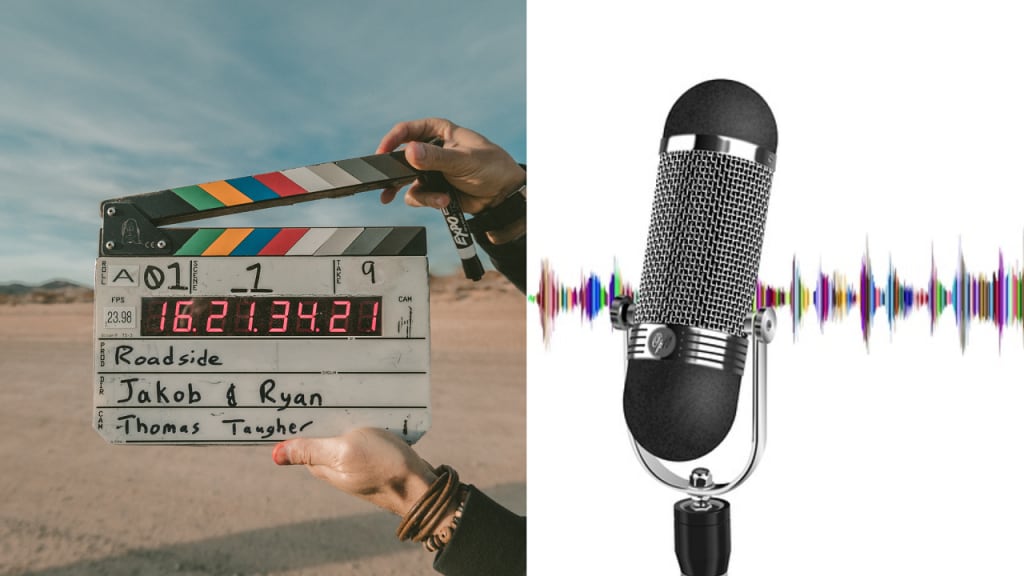
Imagine you are sitting in a dark cinema hall, eagerly waiting for a foreign film to start. The lights dim, and the opening scene rolls on the screen. However, instead of subtitles, you hear the characters speaking fluently in your native language, making the movie instantly accessible. That is the magic of dubbing, the cinematic art of replacing original audio with translated dialogue. In this article, we will highlight the exciting complexity involved with bridging the language barriers in multilingual movies.
Complexities of Multilingual Film Dubbing
When it comes to dubbing for multilingual films, there are a lot of complexities involved.
The Global Reach of Movies
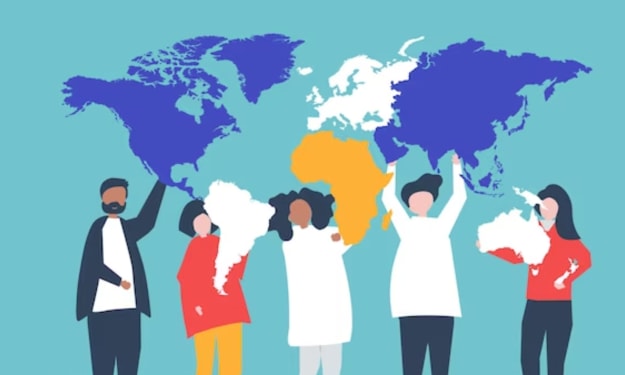
The world of cinema is a complicated affair of languages, cultures, and stories. From Hollywood blockbusters to independent foreign films, this diversity has the power to captivate audiences worldwide. However, it is often a huge challenge for filmmakers to cater to the global market. This is where global dubbing solutions step in, offering a key solution for a broader reach.
The Art of Synchronization
Dubbing isn't simply about translating words; it is an art that strives to maintain the authenticity and emotion of the original performance. The key lies in perfect synchronization – matching the spoken words to the actors' lip movements. Achieving this synchronization is a complex process which requires a blend of technical expertise and linguistic finesse.
Finding the Right Voice
Selecting the right voice actors is the initial step. These talented individuals must be masters of mimicry who are able to replicate the nuances and tone of the original actors' performances. They need to convey emotions accurately and maintain the same passion and intensity. It's a careful craft, which often requires extensive auditions and careful casting to find the perfect match.
Writing the Script
Crafting a script that matches with the original dialogue is an important task. Translators and writers work tirelessly to adapt the words while preserving the essence of the characters and storyline. Word choices, sentence structure, and timing are all pivotal factors to ensure a natural flow.
Lip-Sync
One of the most demanding aspects of dubbing is achieving lip-sync, or the synchronization of the dubbed dialogue with the actors' lip movements. This requires a lot of precision and careful attention to detail. The dialogue must match the length of the original speech and also align with the actors' lip movements.
Technology
In the modern age, technology plays the central role in streamlining the dubbing process. Advanced software helps in adjusting the timing of the dubbed speech which makes lip-sync more achievable. While technology can facilitate the process, it is important to remember that it is the human touch that ensures a smooth and authentic dub.
The Multilingual Maze
Multilingual films, with characters conversing in various languages, add a layer of difficulty to the dubbing process. Imagine a movie where the characters switch between English, Spanish, and Mandarin. Translating and dubbing these scenes accurately requires a delicate balancing act.
Skilled Translators
Translators working on multilingual films are the true language jugglers. They must be proficient in all the languages featured in the movie. The translators must have a deep understanding of the cultural nuances and idiomatic expressions. Their task is to adapt the dialogue in a way that respects the characters' linguistic diversity while ensuring it remains accessible to the audience.
The Director's Vision
The director of the dubbing process holds a pivotal role. They are the guiding force that ensures the multilingual dialogues flow seamlessly. The director's challenge is to create a harmonious and engaging cinematic experience that makes viewers forget they're watching a dubbed version.
The Future of Dubbing
As the world of cinema continues to expand, dubbing remains an essential tool for connecting cultures and reaching a global audience. With advancements in technology, dubbing processes will become even more precise and efficient. However, the human touch, from talented voice actors to skilled translators, will remain the heart and soul of the dubbing industry.
In Conclusion
Dubbing is a remarkable art form that bridges language gaps in the world of cinema which allows films to resonate with audiences from various linguistic backgrounds. Multilingual films, with their unique challenges, exemplify the skills of those involved in providing global dubbing solutions. The magic of dubbing lies in its ability to make foreign stories accessible to all, enriching our cinematic experience and fostering a deeper appreciation of global storytelling.
For More Info, Visit:
About the Creator
Keep reading
More stories from Purvi Acadestudio and writers in Writers and other communities.
The value of dubbing solutions for international audiences
Recently, we’ve seen the growing demand for localized content, both from a content provider and consumer standpoint, which has driven noteworthy growth in the global localization and dubbing solutions market.
By Purvi Acadestudio2 years ago in Writers
Why Is Clean, Structured Data Essential for AI-Driven Business Decisions in 2025?
In the world of AI and machine learning, data quality has become a board-level concern. From predictive analytics to real-time decision-making, businesses now rely on AI models to power everything from customer recommendations to supply chain optimizations. However, there’s one crucial piece of the puzzle—structured data.
By Retail Gators3 days ago in Writers



Comments
There are no comments for this story
Be the first to respond and start the conversation.