
Discover Sydney's Best Whale Watching: A Local's Guide to Unforgettable Experiences
A Guide to Whale Watching in Sydney

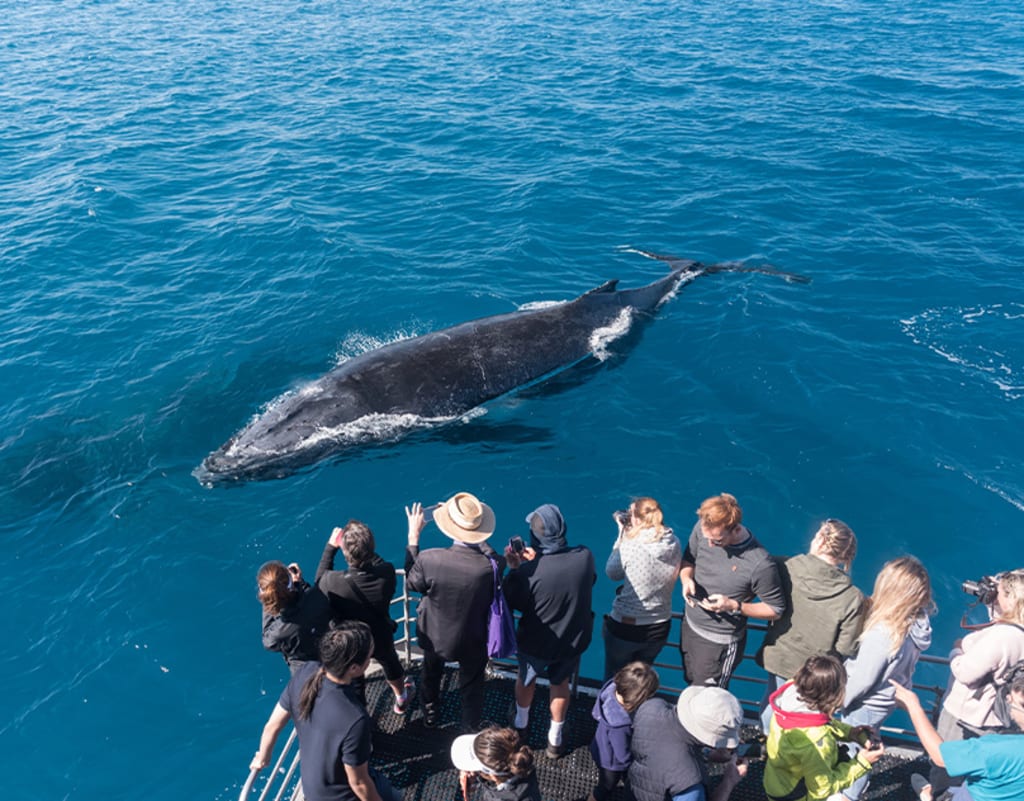
Sydney’s coastal beauty extends far beyond its iconic landmarks, offering one of the best whale-watching experiences in Australia. From May to November, majestic humpback whales migrate along the eastern coast, providing an awe-inspiring spectacle for both locals and visitors. Whether from the shore or a boat, whale-watching in Sydney is a must-do experience, with several prime spots to catch a glimpse of these gentle giants. Here’s a guide on how and where to go for whale watching in Sydney, along with the pros and cons of different methods.
Best Whale-Watching Spots in Sydney
1. Cape Solander, Kurnell: Cape Solander, located within Kamay Botany Bay National Park, ranks among Sydney's premier locations for land-based whale watching. It offers spectacular, elevated views of the ocean, allowing enthusiasts to spot whales from a distance as they breach and play. The viewing area features platforms that are purposefully built for optimal whale-watching experiences.
2. North Head Lookout, Manly: A favourite among locals, North Head provides panoramic views of the Pacific Ocean. This spot combines the scenic beauty of Sydney’s northern beaches with the chance to witness whales as they pass close to shore. With binoculars and a bit of patience, you’re almost guaranteed to spot whales during the peak season.
3. Bondi to Coogee Coastal Walk: This famous coastal trail offers various viewpoints ideal for spotting whales. Marks Park near Bondi Beach is a particularly popular spot, with plenty of space to relax and take in the views. Walking along the trail during whale season can offer multiple sightings as the whales migrate along the coastline.
4. South Head, Watsons Bay: South Head, located near Watsons Bay, offers another excellent vantage point for land-based whale watching. With easy access via ferry from Circular Quay, South Head is perfect for a quick trip with stunning views of both the whales and Sydney Harbour.
Water-Based Whale Watching Tours
For those who want to get closer to the action, Sydney offers a variety of whale-watching cruises that depart from Circular Quay, Darling Harbour, and Manly. These cruises take passengers out into the open ocean for a more intimate experience with the whales.
1. Captain Cook Cruises: Captain Cook Cruises is one of the most popular operators offering whale-watching tours. Their boats are equipped with expert commentary, providing guests with insights into whale behaviour while ensuring a respectful distance is maintained to protect the animals.
2. Sydney Whale Watching: Departing from Circular Quay and Darling Harbour, Sydney Whale Watching tours focus on getting passengers as close as possible to the migrating whales. Smaller boats provide an intimate experience, but it can get bumpy on rough seas, so be prepared!
3. Manly Whale Watching: For those staying on the northern beaches, Manly Whale Watching offers convenient departures from Manly Wharf. The tour boats often find themselves in whale hotspots just minutes after leaving the harbour.
Pros and Cons of Land-Based Whale Watching
Pros:
Cost-effective: Land-based whale watching is free, requiring no tickets or bookings.
Comfort: You can pack a picnic and enjoy the experience from the comfort of a coastal lookout, free from seasickness.
Accessibility: Many of Sydney’s whale-watching spots are easily accessible by public transport, and some are even wheelchair-friendly.
Cons:
Distance: Whales are often far from shore, making it difficult to spot details of their behaviour. Without binoculars, you may miss out on some action.
Limited Views: While the coastline offers excellent vantage points, you’re restricted to a single location, which might limit your opportunities for sightings.
Pros and Cons of Water-Based Whale Watching
Pros:
Closer Encounters: On a boat, you’re more likely to witness the whales up close, offering a thrilling and intimate experience.
Expert Guidance: Whale-watching cruises often come with commentary from marine experts who provide fascinating insights into whale behaviour, making the experience more educational.
Multiple Sightings: Boats can move to different areas, increasing the likelihood of multiple sightings during a single tour.
Cons:
Cost: Whale-watching tours can be pricey, with tickets ranging from $50 to $100 per person.
Seasickness: Not everyone enjoys being out on the water, and rough seas can lead to discomfort or seasickness, which might detract from the experience.
Weather Dependent: Tours can be cancelled due to rough weather or poor sea conditions, making planning around the weather crucial.
Best Time for Whale Watching in Sydney
The whale migration season runs from May to November, with June and July being the peak months for northbound migration, while September and October are ideal for watching whales as they head south, often with their calves in tow.
Whether you prefer the thrill of being on a boat or the comfort of watching from the shore, Sydney offers world-class whale-watching opportunities. Land-based watching is perfect for those seeking a relaxed, cost-effective experience, while water-based tours bring you closer to the action. Either way, witnessing these magnificent creatures in their natural habitat is an unforgettable Sydney experience.
About the Creator
Keep reading
More stories from Scarlett Stark and writers in Writers and other communities.
Get Ready to Celebrate Christmas with Your Team on a Memorable Sailing Trip Through Sydney Harbour.
Office life can get pretty mundane. The usual, cliched routine every day, sulking inside a cubicle, in front of a computer, attending meetings, and meeting for lunch at the same spot. It’s no wonder everyone looks forward to the holiday season. But, are you thinking of sticking with the same old, dull office Christmas party this year? What if you have the chance to shake things up this year? How? Well, maybe you could swap the same old conference room for a breathtaking cruise on Sydney Harbour or the cubicles and corridors for the starry sky and a lit-up city skyline? Yes, it’s time to break free from the norm and give your team a Christmas party they won’t forget.
By Scarlett Starkabout a year ago in Writers
It's Winter
Anne Bernays and Pamela Painter — What If? Writing Exercise for Fiction Writers prompts The Exercise —Write a scene involving two characters. Have the point-of-view character presume something entirely different about the situation from what the other character's overt behavior seems to imply. For example, a landlord comes to visit, and the tenant suspects that it isn't a visit but an inspection. Make up several situations in which one character can fantasize or project or suspect or even fear what another character is thinking. The Objective - To show how your characters can use their imaginations to interpret the behavior and dialogue of other characters.
By Denise E Lindquist19 days ago in Writers


Comments
There are no comments for this story
Be the first to respond and start the conversation.