
Dementia and Depression: Understanding the Link and How to Manage Both Conditions
Exploring the Overlap, Differences, and Effective Care Strategies

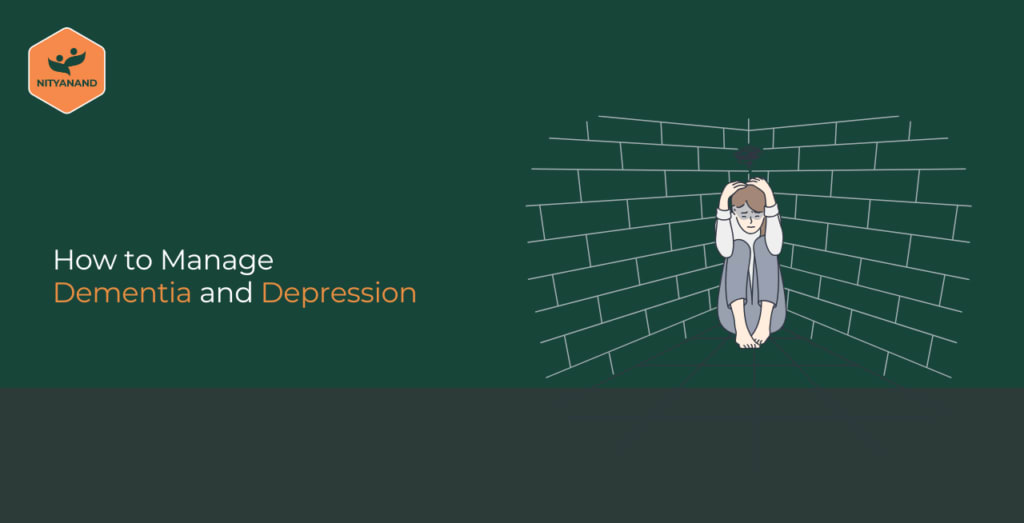
Dementia and depression are two significant mental health challenges that often overlap, making diagnosis and management complex. While dementia is primarily known for causing memory loss and cognitive decline, depression can intensify these symptoms, affecting mood, motivation, and daily functioning. Studies show that individuals with dementia are at a higher risk of developing depression, and in some cases, depression can mimic dementia-like symptoms, leading to short-term cognitive impairment.
Read on to learn about the link between these conditions, how to differentiate their symptoms, and effective strategies to manage them.
Understanding the Link Between Dementia and Depression
Dementia and depression often share similar symptoms, making it difficult to distinguish between the two. Chronic stress and dementia are closely linked, as prolonged stress can contribute to cognitive decline and increase the risk of depression. Additionally, short-term dementia-like symptoms can sometimes be caused by depression rather than actual neurodegenerative disorders.
Some key connections between dementia and depression include:
Shared symptoms such as difficulty concentrating, low energy, and reduced interest in activities.
Emotional distress leads to cognitive impairment, making depression appear as dementia.
Social isolation increases the risk of both conditions.
Early intervention is essential in determining whether a person is experiencing depression, dementia, or a combination of both.
Recognising Symptoms: Dementia vs. Depression
Since dementia and depression have overlapping symptoms, it’s important to understand their key differences.
Symptoms Dementia Depression
Memory Loss Progressive, worsens over time More focused on forgetfulness, reversible
Awareness of Symptoms Often unaware of cognitive decline Recognises memory issues and distress
Mood Changes Varies, may not express sadness Persistent sadness, loss of interest
Speech & Thinking Gradual difficulty in speech and reasoning Normal thinking ability, but slowed responses
Response to Treatment Cognitive symptoms may not improve Symptoms may improve with therapy and medication
A professional evaluation can help determine the reason for cognitive changes and ensure appropriate treatment.
How to Manage Dementia and Depression
A comprehensive approach is needed to address the unique challenges of dementia and depression. This includes medical treatments, psychological support, and lifestyle changes.
Medical Treatments
Medications: Antidepressants may help alleviate depression symptoms, while cognitive enhancers can support dementia care.
Routine medical check-ups: Monitoring symptoms ensures timely treatment adjustments.
Psychological and Cognitive Therapies
Cognitive Behavioral Therapy (CBT): Helps dementia patients with depression develop coping mechanisms.
Reminiscence Therapy for Dementia: Encourages patients to recall past experiences, boosting emotional well-being and reducing anxiety.
Occupational therapy: Supports individuals in maintaining independence in daily tasks.
Lifestyle and Social Engagement
Managing stress and dementia risk: Relaxation techniques such as deep breathing, yoga, and gentle exercise can lower stress levels.
Encouraging social interactions: Support groups, social activities, and family engagement can reduce feelings of isolation.
Nutrition and hydration: A balanced diet rich in omega-3 fatty acids, antioxidants, and vitamins can support brain health.
Holistic care enhances emotional and cognitive well-being, improving overall quality of life.
The Role of Caregivers and Family Support
Caregivers play an influential role in helping individuals with dementia and depression. Support strategies include:
Learning how to differentiate symptoms to ensure appropriate care.
Providing emotional support and reassurance to reduce anxiety and confusion.
Encouraging daily routines and familiar activities to bring comfort and stability.
Seeking professional help when needed, including therapy and caregiver support programs.
Additionally, caregivers should prioritise self-care, as chronic stress and dementia caregiving can take a toll on mental and physical health.
The Bottom Line
Understanding the relation between dementia and depression is key to providing effective care and improving quality of life. Since the two conditions share overlapping symptoms, early diagnosis and intervention are essential in determining the right treatment approach. By incorporating medical treatments, cognitive therapies, stress management, and social engagement, individuals with dementia and depression can experience improved well-being and reduced symptom progression. If you or a loved one are struggling with memory loss, depression, or stress-related cognitive changes, seeking professional support can make a substantial difference.
About the Creator
Nityanand raheb
Nityanand Rehabilitation, founded by Dr. Nitin Dalaya in 2002, offers holistic mental health care for chronic illnesses, empowering recovery with expert-led bio-psycho-social rehabilitation in Pune.
Keep reading
More stories from Nityanand raheb and writers in Writers and other communities.
How Does Schizophrenia Impact an Individual's Daily Life?
Schizophrenia is a complex and often misunderstood mental disorder that affects millions of people worldwide. It can have a profound impact on an individual’s daily life, making even the simplest tasks challenging. In this blog, we will explore the ways in which schizophrenia affects daily life and the importance of professional support, highlighting the valuable work of Nityanand Rehab Center in assisting individuals with this condition.
By Nityanand raheb10 months ago in Writers



Comments
There are no comments for this story
Be the first to respond and start the conversation.