
Daniel Siegel Alonso Delves Into How Emotion Influences Music Composition
Creating music isn’t just about playing instruments; it’s about transforming raw emotion into sound.

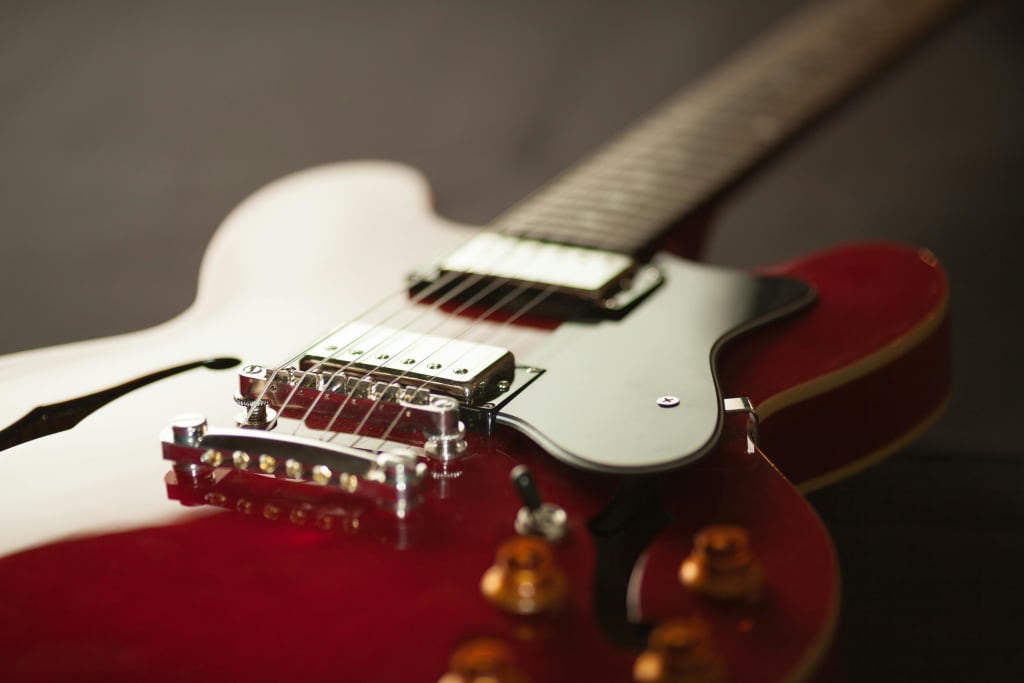
Like a burger and fries, music and emotion are inseparable and better together. Whether it's Mahler's brooding symphonies, tales of heartbreak by The Smiths, or the adrenaline rush of a rousing rock anthem, emotion is the unseen hand that molds every note, chord, and lyric. But how exactly does emotion influence music composition? Daniel Siegel Alonso breaks it down.
Emotional content
Composing music is not just about putting notes down on a page, says Siegel Alonso—it's about translating raw feeling into sound. You might hum a poppy, saccharine tune when you're feeling joyful. Slow and melancholic melodies seem to fit the bill when you're down. Emotion dictates your musical choices, from tempo to key, dynamics to instrumentation.
Take joy, for instance. It often permeates music through major keys, faster tempos, and bright, punchy instruments like trumpets and keyboards. Conversely, sadness leans toward minor keys, slower pacing, and rich, resonant sounds—cue the strings. Angsty? That's a distorted electric guitar drone waiting to happen.
Blinded by science
There's actual data proving why music makes us feel things. Studies show that music activates the brain's limbic system—the area responsible for emotion processing. Ever gotten chills from a song? That's your brain releasing dopamine, the "feel-good" chemical.
Interestingly, composers often instinctively tap into this science without even realizing it. They play with tension and resolution—think of a song that builds and builds before finally dropping into a satisfying chorus. This mirrors our real-life emotional journeys, making the music feel deeply personal.
Pure poetry
Not all music has lyrics, but words become the emotional anchor when it does. The best lyricists don't just tell stories; they make listeners feel them. Taylor Swift doesn't just croon about heartbreak—she invites you into the exact moment of devastation with razor-sharp details. The same goes for iconic songwriters like Bob Dylan and Leonard Cohen, whose lyrics carry an emotional weight that transcends generations.
Great lyrics aren't necessarily about complexity—they're about honesty. Lennon and McCartney's "Yesterday" is heartbreakingly spartan yet profoundly emotional. On the other hand, rap artists like Kendrick Lamar weave intricate narratives that carry layers of meaning, challenging the audience to engage on a deeper level.
Blurring boundaries
Genres are like emotional characters. Classical music often conveys grandeur and drama. Pop thrives on feel-good energy and relatability—blues channels sorrow and resilience. Rock and roll expresses rage and rebellion.
But genre conventions aren't fixed. Artists constantly bend the rules to heighten emotional impact. Billie Eilish's whispery, eerie vocals break pop conventions, creating an intimate, haunting experience. Meanwhile, Johnny Cash's stripped-down version of Nine Inch Nails' "Hurt" is arguably more devastating than the original because of its raw vulnerability.
Fueled by experience
Many composers and songwriters draw from personal experiences to infuse their music with authenticity. Heartbreak, loss, love, nostalgia—all of this shape the sound and story of a song.
Siegel Alonso considers Fleetwood Mac's breakthrough LP Rumours—an album born from the band's tangled web of interpersonal relationships. Or Amy Winehouse's Back to Black, where every lyric and note oozes with lived experience. The result? Music that feels real because it is real.
Sound on screen
Movie scores are a masterclass in emotional manipulation (in the best way possible). A single violin can make you weep, while an intense drumbeat can make your heart race. Bernard Herrmann, Danny Elfman, and other legendary composers understand that music isn't just aural filler—it's an emotional guide.
Imagine Pyscho's infamous shower scene without its screeching, high-pitched strings. It wouldn't be nearly as terrifying. Or almost any of Tim Burton's films without its quirky, gothic melodies. Music tells us how to feel before the dialogue even begins.
Daniel Siegel Alonso says at its throbbing heart that music is emotion in sonic form, a universal language that connects us across cultures and time. Whether carefully composed or improvised, music has an unparalleled ability to capture what words alone cannot.
The next time a tune moves you, gets you grooving or makes you nostalgic for something you can't quite put your finger on—remember, that's the magic of emotion at work. And that's what makes music an art form that never fades.
About the Creator
Daniel Siegel Alonso
Daniel Siegel Alonso is a versatile musician known for his soulful voice and masterful guitar skills. Daniel blends elements of jazz, folk, rock, and blues, creating a unique sound that resonates with audiences of all ages.
Keep reading
More stories from Daniel Siegel Alonso and writers in Writers and other communities.
Daniel Siegel Alonso Dives into Musicians' Go-To Instruments and Their Unique Functions
Every musician has that one instrument they swear by—their creative sidekick, their sonic weapon of choice. Some instruments define genres, others create entire movements, and a few make things sound ridiculously cool. Daniel Siegel Alonso dives into three of his favorites—and wildly different but equally iconic—instruments: the Roland drum machine, the sitar, and the slide guitar.
By Daniel Siegel Alonso10 months ago in Writers
Ludacris and Nelly draw backlash over bookings at MAGA-coded music festival
Ludacris and Nelly headlining a mostly right-wing event is good for them. It’s also great for the genre of hip hop. The two rap veterans have showcased their talents on other stages. Why can’t they perform for mostly MAGA folks and grab that bag?
By Skyler Saundersa day ago in Beat




Comments
There are no comments for this story
Be the first to respond and start the conversation.