
Customized Dashboard Solutions for Advanced Eco-Monitoring
Environment Management Dashboard

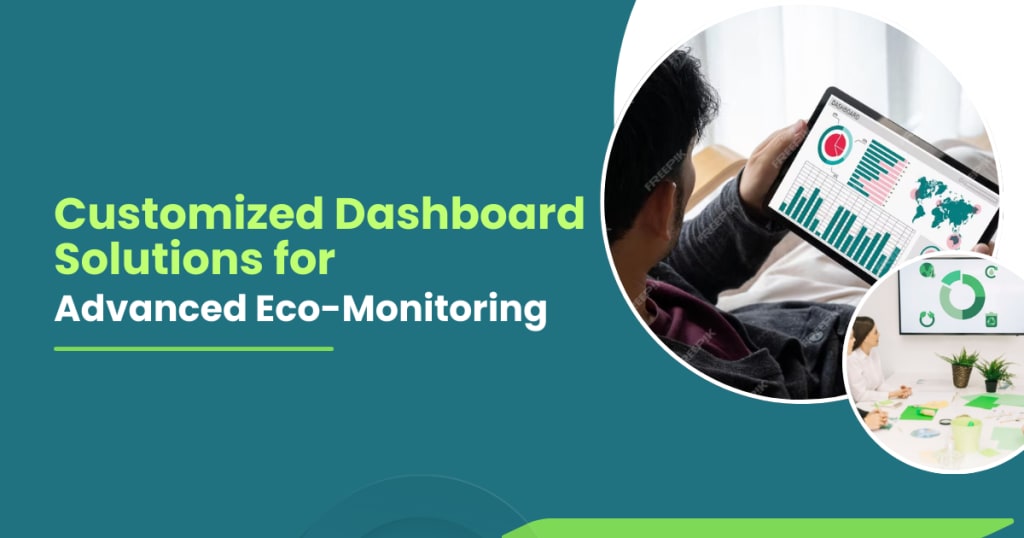
Environmental monitoring has become an essential tool in tackling global challenges like climate change, pollution, and sustainable resource management. From governments to private organizations, stakeholders rely heavily on robust and efficient systems to track, analyze, and respond to environmental data. The introduction of Environment Dashboard Management Systems has redefined the approach to eco-monitoring, offering precision, scalability, and actionable insights.
This article delves deep into the significance, features, and future of Customized Dashboard Solutions for Advanced Eco-Monitoring, emphasizing their pivotal role in modern environmental management systems.
Importance of Eco-Monitoring Dashboards
Environmental data is complex and diverse, originating from various sources, such as satellites, IoT devices, and manual observations. A reliable eco-monitoring dashboard consolidates this data into actionable insights, aiding in real-time decision-making and long-term planning.
Core Advantages of Eco-Monitoring Dashboards:
1. Real-Time Insights: Track metrics like air quality, carbon emissions, and water consumption instantly.
2. Data-Driven Decisions: Simplify complex datasets into user-friendly visualizations, enabling informed actions.
3. Regulatory Adherence: Ensure compliance with environmental laws through accurate and timely reporting.
4. Cost Effectiveness: Automate data collection and analysis to minimize operational expenses.
A robust dashboard empowers users to manage resources efficiently while contributing to sustainability initiatives. According to recent studies, over 90% of businesses using eco-monitoring tools report operational improvements within their first year.
Features of an Environment Dashboard Management System
Modern dashboards for eco-monitoring combine advanced technologies with customizable designs to cater to diverse industry needs.
1. Data Integration
Dashboards can pull information from multiple sources, such as IoT sensors, meteorological APIs, and energy management systems. For instance, a factory may integrate emission monitors with energy usage sensors for a holistic view of its environmental footprint.
2. Customizable Visualizations
No two organizations have identical environmental goals. Dashboards offer configurable KPIs, widgets, and graphs, allowing users to focus on their unique priorities.
3. Real-Time Alerts
Systems provide immediate notifications when critical thresholds are exceeded, such as sudden spikes in emissions or resource wastage.
4. Advanced Analytics and Reporting
With predictive modeling and AI-driven analytics, dashboards help users anticipate risks, optimize resource usage, and draft comprehensive sustainability reports.
5. Cloud Accessibility
Cloud-based dashboards enable remote access, ensuring teams across multiple locations can collaborate effortlessly.
Benefits of Customized Eco-Monitoring Solutions
Tailored dashboard systems outperform generic ones by addressing specific organizational requirements. Here’s how customized solutions add value:
1. Enhanced Efficiency
By excluding irrelevant features, custom dashboards improve speed and usability. Users can focus solely on data that matters most to their operations.
2. Improved Compliance
Custom dashboards can be aligned with industry-specific standards. For example:
3. Mining companies may integrate EPA compliance modules.
Renewable energy firms can align their systems with ISO environmental standards.
4. Scalable Design
Modular architecture ensures that as organizations grow, their dashboards can adapt to increased data loads and expanded monitoring needs.
Real-World Applications of Eco-Monitoring Dashboards
Case Study 1: Air Quality Monitoring for Urban Planning
A city council implemented a dashboard integrated with IoT air sensors to monitor pollution levels. Over 12 months, their response time to high-pollution incidents improved by 40%, resulting in better public health outcomes.
Case Study 2: Manufacturing Emissions Control
A multinational manufacturing firm deployed a custom environment dashboard to track emissions. By analyzing real-time data, they reduced regulatory fines by 25% and cut emissions by 15% within a year.
Supporting Statistics:
IoT-enabled dashboards reduce data processing times by up to 50% compared to traditional systems.
The global environmental monitoring market is expected to surpass $20 billion by 2028, growing at an annual rate of 8.6%.
Technical Considerations for Building Eco-Monitoring Dashboards
A successful environment management system depends on advanced technologies and thoughtful implementation.
1. IoT Integration
Devices like sensors and edge computing units provide real-time data for dashboards, offering high accuracy and reliability.
2. Data Security
Sensitive environmental data must be protected using encryption protocols and two-factor authentication to prevent unauthorized access.
3. User-Centric Design
A clean and intuitive interface ensures users can navigate and interpret data efficiently. Features like drag-and-drop widgets simplify customization.
4. Scalability
Dashboards must support future data expansions without compromising on speed or performance. This requires a cloud-first or hybrid architecture.
5. Interoperability
The ability to integrate with existing systems, such as GIS software or supply chain dashboards, enhances the overall functionality.
Challenges in Eco-Monitoring Dashboard Development
While dashboards offer remarkable potential, their development poses some challenges.
1. Common Obstacles:
Data Overload: Managing and interpreting large datasets can overwhelm users.
High Initial Costs: Developing a custom system often requires significant upfront investment.
Interoperability Issues: Compatibility with legacy systems is a frequent problem.
2. Solutions:
Data Aggregation Tools: Simplify complex datasets into digestible insights.
Flexible Pricing Models: Cloud-based systems offer subscription models to minimize costs.
Middleware Solutions: Bridge compatibility gaps between modern dashboards and older systems.
The Future of Customized Eco-Monitoring
The next evolution in eco-monitoring involves AI, machine learning, and blockchain technologies. AI-driven dashboards will enhance predictive analytics, while blockchain ensures data integrity and transparency.
Predictions for the Industry:
AI-Powered Forecasting: Future dashboards will offer hyper-accurate environmental trend predictions.
Edge Computing Integration: Decentralized processing will reduce latency in real-time systems.
Blockchain for Transparency: Immutable records will build trust in environmental reporting.
Conclusion
Customized Dashboard Solutions for Advanced Eco-Monitoring are revolutionizing how organizations approach environmental challenges. From real-time monitoring to data-driven decision-making, these systems enable precise, efficient, and sustainable operations. Tailored solutions address specific needs, ensuring scalability, compliance, and user satisfaction.
As environmental concerns intensify, investing in advanced Environment Dashboard Management Systems is no longer optional. These tools are pivotal in building a sustainable future, empowering stakeholders to meet their environmental objectives responsibly and effectively.
Organizations and governments must embrace these technologies to lead the fight against ecological challenges and pave the way for a greener planet.
About the Creator
Morgan Alex
I am a passionate web developer with expertise in creating dynamic, user-friendly websites and web applications.
Keep reading
More stories from Morgan Alex and writers in Writers and other communities.
The Role of Healthcare Software Development Companies in Digital Health
In recent years, digital health has experienced rapid growth, reshaping how healthcare systems operate and how patients interact with their care providers. The global healthcare software market is expected to reach $390 billion by 2024, highlighting the increasing role of technology in healthcare. A key player in this transformation is the Healthcare Software Development Company, which creates the tools and systems necessary to streamline healthcare services, improve patient care, and facilitate medical research. In this article, we’ll explore the pivotal role healthcare software development companies play in the evolving digital health landscape.
By Morgan Alexabout a year ago in Writers
SharedEasy Guide on How to Buy Residential Property Without Stress
Purchasing a home belongs to life's most significant financial decisions. For many first time buyers, the process appears intimidating because of its maze of paperwork, inspections and negotiations. Industry experts agree that with solid preparation plus knowledge, anyone moves through the home buying journey successfully. This is what prospective homeowners need to know to decide with confidence.
By Ausfab Group3 days ago in Writers
TUS NUA - ch 49
TUS NUA – ch 49 New Beginnings – Mia and Midnight (*)(*)(*) As Mia spoke on the phone to Ali’s sister, Ellen, Finola slipped quietly away and walked to the stream behind Tus Nua. Carefully, she put a block on her family so no one could know what she was about to do.
By Margaret Brennan4 days ago in Fiction



Comments
There are no comments for this story
Be the first to respond and start the conversation.