
Customer Relationship Management (CRM): Why It Matters for Your Business
Why Customer Relationship Management (CRM) Is Essential for Your Business

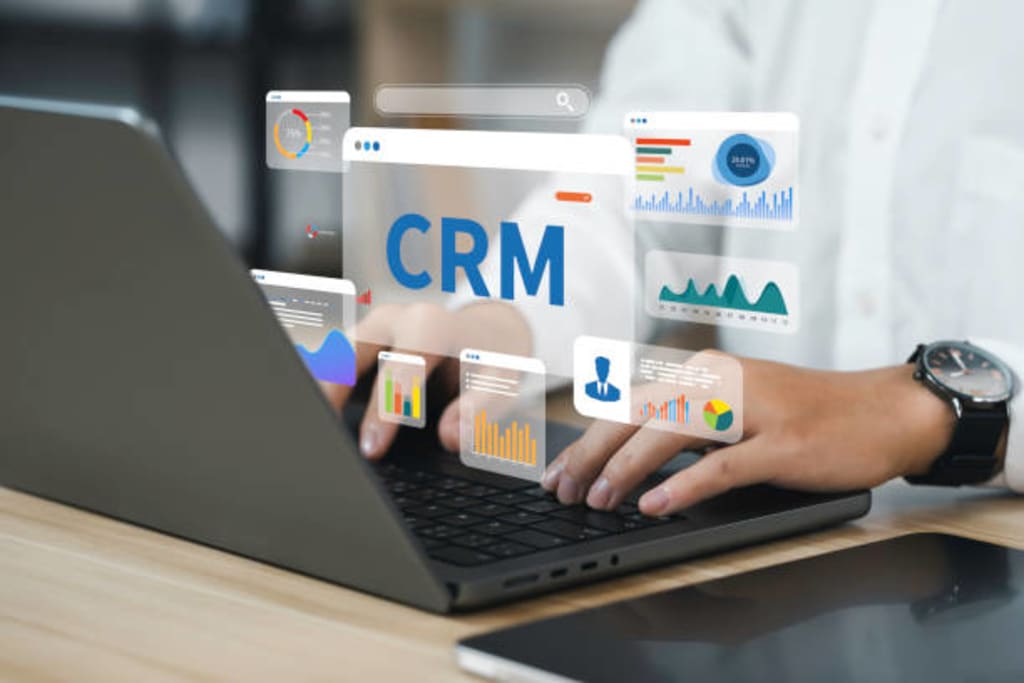
What is CRM (Customer Relationship Management)?
Customer Relationship Management (CRM) refers to the strategies, technologies, and tools that businesses use to manage interactions with customers, clients, and prospects. CRM software helps companies streamline processes, improve customer engagement, and boost sales.
Why Should You Use CRM Software?
A CRM system is crucial for businesses that want to enhance customer relationships, automate tasks, and gain insights into customer behaviors. Here’s why businesses should implement CRM:
Improved Customer Relationships: A CRM system centralizes customer data, making it easier to understand customer preferences and offer personalized experiences.
Enhanced Sales & Marketing Efforts: CRM software provides detailed insights into customer behavior, allowing businesses to optimize marketing campaigns and sales strategies.
Increased Efficiency: Automation features reduce manual work, allowing teams to focus on critical tasks and improving productivity.
Better Customer Support: With a CRM, customer service teams can quickly access past interactions and provide better support.
Data-Driven Decision Making: CRM tools generate reports and analytics, helping businesses make informed decisions.
Key Benefits of CRM Software
1. Customer Retention Management
CRM helps businesses retain existing customers by tracking interactions, sending follow-ups, and maintaining strong relationships.
2. Improved Contact & Relationship Management
Businesses can store customer details, purchase history, and communication records in one place, making it easier to manage relationships.
3. Sales & Revenue Growth
With CRM customer management features, businesses can track leads, automate sales processes, and increase conversion rates.
4. Better Team Collaboration
CRM software allows different departments (sales, marketing, and customer service) to access the same customer data, ensuring seamless collaboration.
5. Automation & Productivity Enhancement
CRM management software automates repetitive tasks like sending emails, scheduling meetings, and updating records.
Industries That Benefit from CRM Software
CRM systems are essential for various industries, including:
Retail & E-commerce: Managing customer orders, preferences, and marketing campaigns.
Healthcare: Keeping track of patient records, appointments, and interactions.
Financial Services: Managing client portfolios, financial transactions, and compliance requirements.
Real Estate: Handling property listings, client communications, and follow-ups.
IT & SaaS Companies: Managing software subscriptions, support tickets, and customer feedback.
Education: Tracking student interactions, course enrollments, and performance.
Steps to Implement a CRM System Successfully
Define Business Goals – Identify specific objectives for using CRM, such as increasing sales, improving customer support, or enhancing marketing efforts.
Choose the Right CRM Software – Evaluate different CRM solutions based on features, pricing, and ease of use.
Train Employees – Ensure that employees understand how to use the CRM effectively for maximum productivity.
Customize the CRM – Configure workflows, automation, and integrations to fit business needs.
Monitor and Optimize – Continuously analyze CRM performance and make adjustments as needed.
Must-Have Features of CRM Software
When choosing a CRM system, ensure it includes these essential features:
Contact & Relationship Management: Store and manage customer details and interactions.
Sales Automation: Automate lead tracking, follow-ups, and deal closures.
Marketing Automation: Automate email campaigns, social media interactions, and customer segmentation.
Customer Support & Helpdesk: Integrate ticketing systems, chat support, and feedback collection.
Reporting & Analytics: Generate insights into customer behavior and business performance.
Integration Capabilities: Seamlessly connect with other business tools like email, e-commerce platforms, and accounting software.
Mobile CRM: Access CRM features on the go with mobile-friendly applications.
Security & Data Privacy: Ensure customer data is protected with encryption and access controls.
Conclusion
CRM (Customer Relationship Management) software is an indispensable tool for businesses of all sizes. Whether you’re a startup or an enterprise, a CRM system helps streamline operations, improve customer experiences, and drive business growth. Investing in the right CRM solution ensures better customer retention, increased revenue, and a more organized workflow.
If you’re looking for the best CRM software for your business, explore options that align with your industry needs and offer essential features for seamless management.
About the Creator
Deepak
Deepak Kushwah is a seasoned digital marketing and website development expert with a strong focus on delivering exceptional results for businesses. With extensive experience in SEO, web development, and digital strategies.
Writing To Succeed
If you want to find something that will help readers find your writing, possibly expand your audience, and maybe even get you noticed for other things, then you’re not alone. But how can you get it done in a world full of want-to-be writers? Look less at what you’re writing now, and more at what other writers have used to boost their views and reads.
By Jason Ray Morton a day ago in Writers
From Cockpit Displays to Control Systems: The Evolution of Aircraft Electronics
Introduction Aviation has undergone a dramatic transformation over the past several decades. Aircraft once relied primarily on mechanical gauges and manual monitoring, but today’s platforms operate through highly advanced electronic ecosystems that enhance safety and efficiency.
By Beckett Dowhan6 days ago in Writers
Worth the Wait: Puerto Viejo, Costa Rica
Beach bumming in a small Caribbean beach town sounded like a perfect way to end our 6-month trip through Mexico and Central America. Or so we thought. The foul, fishy stench of rotten seaweed hit our nostrils as we stepped from the cramped bus and looked out at a rather depressing, empty, and underwhelming black sand beach. It was pouring with rain, and we had to quickly fish out our ponchos. We thought, this couldn’t be it, could it?
By Sh*t Happens - Lost Girl Travel3 days ago in Wander


Comments
There are no comments for this story
Be the first to respond and start the conversation.