
Crepe Myrtle Trees & Bushes – Growing and Care
The crepe myrtle, Lagerstroemia indica, is a beautiful plant that is known for its colorful flowers, attractive bark, and seasonal changes.it has become popular in Asia and the southern part of America.
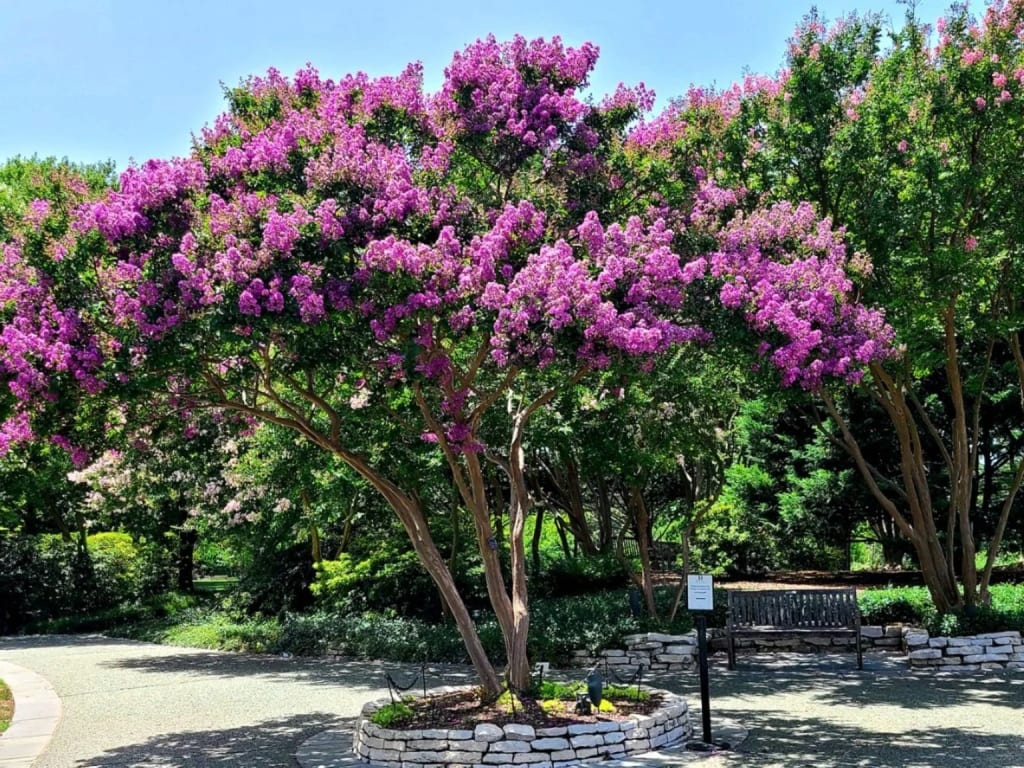
Crepe myrtle trees and bushes (Lagerstroemia spp.) are popular ornamental plants known for their vibrant and long-lasting summer blooms. These plants are relatively low-maintenance, making them a favorite choice for gardens and landscapes. Here's a guide on how to grow and care for crepe myrtle:
Growing Crepe Myrtle:
Selecting a Location:
Crepe myrtles prefer full sun, so choose a location that receives at least 6-8 hours of sunlight per day.
Ensure well-drained soil to prevent waterlogging, as crepe myrtles are susceptible to root rot.
Planting:
Plant crepe myrtles in the spring or fall.
Dig a hole twice the width of the root ball and just as deep.
Place the plant in the hole, fill it with soil, and water thoroughly.
Soil Requirements:
Crepe myrtles tolerate a variety of soil types but prefer slightly acidic to neutral soil.
Incorporate organic matter into the soil to improve fertility and drainage.
Care Tips:
Watering:
Water newly planted crepe myrtles regularly to establish a strong root system.
Once established, crepe myrtles are drought-tolerant, but they benefit from occasional deep watering during dry periods.
Mulching:
Apply a layer of organic mulch around the base of the plant to retain moisture, suppress weeds, and regulate soil temperature.
Fertilizing:
Crepe myrtles generally don't require heavy fertilization.
Apply a balanced, slow-release fertilizer in spring before new growth begins.
Pruning:
Prune in late winter or early spring to remove dead or weak wood.
Remove any crossed branches to improve air circulation.
Optionally, you can shape the plant to your desired form, but avoid heavy pruning, as it can reduce flowering.
Pest and Disease Control:
Crepe myrtles are generally hardy but can be susceptible to aphids, scale insects, and powdery mildew.
Monitor for pests and treat as needed with insecticidal soap or horticultural oil.
Winter Protection:
Crepe myrtles are hardy in USDA zones 7-9. In colder climates, consider planting cold-hardy varieties or providing winter protection.
Varieties:
Dwarf Varieties: Examples include 'Pocomoke' and 'Cherry Dazzle,' suitable for smaller spaces.
Medium-sized Varieties: 'Natchez' and 'Muskogee' are popular choices with moderate height and attractive blooms.
Large Varieties: 'Dynamite' and 'Tuscarora' are larger varieties known for their impressive flower displays.
Remember that specific care requirements may vary slightly based on the particular variety of crepe myrtle you choose. Regular monitoring and timely care will help keep your crepe myrtle healthy and flourishing.
About the Creator
Keep reading
More stories from Adam Williams and writers in Writers and other communities.
A Vibrant Bouquet: 100 Stunning Orange Flowers and Their Names
When it comes to adding warmth and vibrancy to gardens, events, or floral arrangements, few colors can match the bold and energetic appeal of orange flowers. Whether you're an avid gardener, a floral enthusiast, or simply someone looking to brighten up their surroundings, exploring the world of orange flowers can be a delightful experience. In this article, we'll unveil a curated list of 100 exquisite orange flowers, each with its unique charm and appeal.
By Adam Williams2 years ago in Writers
Knives and Forks
Alright, it’s enough, I’m not going to fall asleep anyway, and I can’t stand another hour of staring at this ceiling. Thoughts just drift through my mind, and from all this lying around, my calves start to cramp again. At least I slept through most of yesterday. Paying that debt I built with lifestyle. That helps. With that, I can push through today until the evening, as I did so many times before. I blame her for it anyway. It was definitely her who tore me out of my dreams at half past two in the morning. She did it, and now she’s pretending that nothing happened.
By George Roast7 days ago in Writers




Comments
There are no comments for this story
Be the first to respond and start the conversation.