
Contract Negotiation | A Practical Guide
What Is Contract Negotiation? How to Negotiate a Contract?

Do you know if you’ve ever agreed to a contract without properly understanding what you were doing? Negotiating contracts suits anyone, and not just freelancers, small-business owners, and corporate members of procurement, since it can help you avoid losing time, losing money, and unnecessary worries. Here, we’ll explain contract negotiation and highlight its importance, as well as give you tips on how to negotiate contracts. In the end, you’ll learn the definition of contract negotiation, who the leading roles are, and how to do it well.
What Is Contract Negotiation?
Basically, contract negotiation is a meeting where two or more sides discuss to reach a contract they can all agree on. Negotiating is not only about lowering the price; it’s important to determine how, when, where, and to what extent each person is responsible.
“Negotiation means two or more people sit down and work out a solution that they can both agree on.”
Talking and negotiating about the contract is the part that comes before signing and managing it. Good negotiation lays the base for a lasting partnership. If handled in an unsound manner, it can make you responsible for many tasks for a long time.
Why Contract Negotiations Matter
- Protects Your Interests- By negotiating terms, you clear up exactly what you have to pay and what you can expect to get in return. This helps people avoid getting misunderstood and lowers the chance of arguments in the future.
- Optimizes Value- A well-negotiated contract makes sure that what each side gives or gets in the exchange is fair for both of them.
- Builds Stronger Relationships- Clear, transparent negotiation fosters trust. When each side feels like their needs have been listened to, it’s much easier for them to work well together during the life of the contract.
- Manages Risk- Negotiations let you set who is responsible for things like cost overruns or problems with the work, so the team that can handle these issues the easiest handles them.
Ready to Supercharge Your Contract Negotiation?
Leverage an AI contract generator to draft, review, and refine your agreements in minutes—freeing you to focus on strategy, not boilerplate. Try it today and experience how AI can transform your contract negotiations from tedious to seamless!
Who Are the Key Stakeholders in Contract Negotiation?
Every contract negotiation brings together different groups of people, each with their own views and main goals.
- Legal Counsel: Ensures the contract follows the rules and protects both parties from any problems that might come up later.
- Finance Teams: Focuses on figuring out how much things should cost, the way people pay, and how much risk is there about paying or getting paid.
- Operations or Delivery Teams: Concerned with making sure everything happens on time, that the team is meeting goals, and the work is tracked in clear ways.
- Executive Leadership: Aligns the contract’s main goals with the bigger goals the organization wants to achieve.
- External Parties like suppliers, customers, or partners need to follow the same basic process as employees, making reports, signing off on decisions, and taking part in meetings and checklists.
Their business goals and needs should be taken into account and respected in a good design.
Tip: Assemble a negotiation team made up of people from different areas of the business early on. This “negotiation group” looks ahead to what questions might come up and helps move the review process along more quickly.
The Contract Negotiation Process: Step by Step
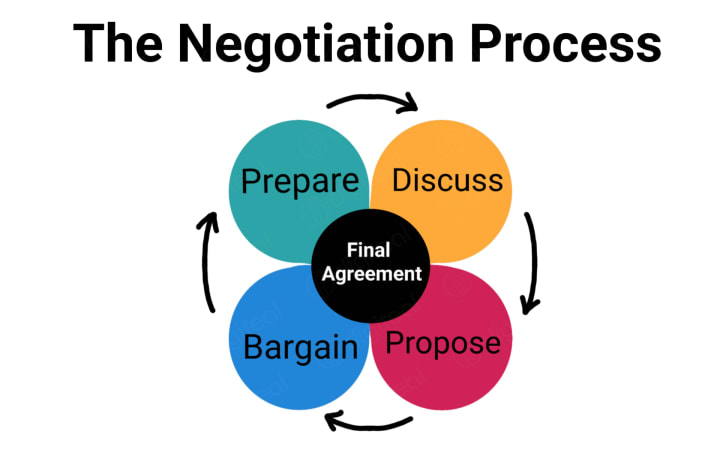
While each negotiation is unique, the process often breaks down into four phases:
1. Preparation
- Define Objectives: Which features are you willing to live without, and which cannot you do without?
- Research the Other Party: Learn what they need, the terms they have worked with, and how they negotiate.
- Identify BATNA: It helps you learn when it is best to say no, rather than negotiate further.
2. Opening Discussions
- Set the Tone: Agree on your shared objectives at the beginning.
- Establish Process: Set up schedules, select the lead contact, and decide how to keep a record of the edits made.
- Before starting the actual subject, define what the negotiation is about and where its limits are.
3. Bargaining
- Make Proposals and Counterproposals: Mark up changes using redlines or use version controls.
- Leverage Concessions: Swap items that are less important for opportunities that can help you more.
- Anchor Effectively: When you start at a certain level, it can set the tone for future offers, so make sure it’s on the realistic side.
4. Closing and Finalizing
- Confirm Agreement on Terms: Overview every change to make sure nothing went unnoticed.
- Plan for Execution: Set up rules for giving approval and agree on the dates to begin the project.
- Document Lessons Learned: Once the papers are signed, take notes for future references.
Common Pitfalls and How to Avoid Them
- Overlooking the Small Print: Hidden costs or unclear statements in your contract could be disadvantageous to you.
- Focusing Only on Price: If the scope, quality, or completion of the project is not followed, it can cause disagreements.
- Failing to Prepare: Failing to have a game plan in negotiation puts you at risk of getting bad results.
- Ignoring Relationship Dynamics: Building relationships on anger and adversity is damaging for the partnership over time.
Actionable Contract Negotiation Tips
- Use a Negotiation Checklist: Record objectives, deadlines, and decision-makers all together in one document.
- Leverage Technology: Using google docs helps the team work together efficiently on editing the document, also making it easier to manage different versions.
- Ask Open-Ended Questions: “What hurdles do you see along the way to meet the timeline?” helps identify any worries within the group.
- Employ the “Feel-Felt-Found” Technique: Let them know you understand their feelings (“I know how you feel”), mention how those feelings are shared by others, and tell them what others found.
- Build in Review Points: When entering a long-term contract, it’s important to set up regular reviews to make any updates to the terms needed.
Negotiating Terms and Conditions of a Contract
When negotiating terms and conditions, make sure you pay particularly close attention to these important topics:
- Scope of Work: Define what needs to be produced, list the important steps, and describe what needs to be done before concluding the project.
- Payment Terms: Clarify how much you’ll charge and the dates for when you’ll invoice your client, as well as what happens if payments are late.
- Confidentiality and IP Rights: Specify who will handle the data, who owns the final product, and how the data or final report can or cannot be used.
- Termination Clauses: Determine how much notice is needed when someone leaves the job, reasons employees might be let go, and what they need to do before leaving.
- Liability and Indemnification: Cap damages when you can and try to have someone else pay for other people’s claims.
Story Example:
A small marketing firm did not negotiate IP rights when they were given a standard contract. After the campaign ended, the client got all the assets and put them to use outside of our organization. The agency began to require that their work was protected by ownership clauses.
The Role of Storytelling in Negotiations
Stories are as important in negotiation as numbers and specific clauses. Setting your goals as a story or a series of steps can let the other party better understand what you are trying to achieve. For instance:
When we did a similar project for a client, we completed it as agreed and raised their ROI by 30%. Let me tell you how we can achieve that level of success for you…
Using stories helps establish credibility, highlights the team’s experience, and creates a human connection, making it easier to work well together.
Process of Negotiating a Work Contract
Negotiating either an employment or freelance contract usually follows these steps:
- Initial Offer Review: Think about the salary, any benefits the company offers, what you are expected to deliver, and the non-compete terms.
- Counteroffer Preparation: Look at what similar homes are priced at in the market and think about what you need.
- Negotiation Meeting: Have discussions face to face or by video, and back up your requests with numbers.
- Final Agreement: Get confirmed in writing and verified by a lawyer if needed.
Remember: While salary is a part of negotiating, there are other areas to consider, such as work hours, opportunities to learn, and your rights to your creations.
Bringing It All Together
Good contract negotiations require you to be well-prepared, communicate effectively, and use a mix of give-and-take. When you prepare, talk through the deal, negotiate, and eventually close, you can achieve success every time.
Conclusion
Negotiating means more than getting a lower price or choosing the best timing; it is also about setting up a partnership that can last for a long time. Once you understand contract negotiation, put together the needed team, and use helpful advice, you will feel confident starting any agreement.
Would you like to become a better negotiator? Drop your biggest experience in negotiating a contract down in the comments, or you can check out my other posts on advancing your professional skills. If the guide was helpful for you, share it with others!
About the Creator
Miss Divya Shukla
I'm a digital marketing enthusiast diving deep into the world of AI and emerging tech. Join me as I unravel complex concepts, share bite-sized knowledge, and inspire creativity through compelling visuals!
Keep reading
More stories from Miss Divya Shukla and writers in Writers and other communities.
Common Bookkeeping Mistakes That Can Cost You Money
Ever looked at your business numbers and thought, “Wait, that doesn’t add up?” You’re not alone. Bookkeeping isn’t just about inputting numbers—it’s about keeping the heartbeat of your business steady. But even the most organized people slip up. And those tiny errors? They can snowball into major financial setbacks.
By Miss Divya Shukla8 months ago in Writers
How Local Regulations Impact Mobile Apps in Milwaukee?
Regulations rarely feel urgent during early planning. They surface quietly, usually as footnotes in proposals or brief mentions during discovery calls. Then development begins, real data flows through the system, and suddenly those footnotes become constraints that reshape timelines, architecture, and cost.
By Mike Pichai6 days ago in Writers
Ludacris and Nelly draw backlash over bookings at MAGA-coded music festival
Ludacris and Nelly headlining a mostly right-wing event is good for them. It’s also great for the genre of hip hop. The two rap veterans have showcased their talents on other stages. Why can’t they perform for mostly MAGA folks and grab that bag?
By Skyler Saunders3 days ago in Beat



Comments
There are no comments for this story
Be the first to respond and start the conversation.