
Common Reasons Why Your Doctor Might Suggest a Hysteroscopy
When and Why a Hysteroscopy May Be Needed

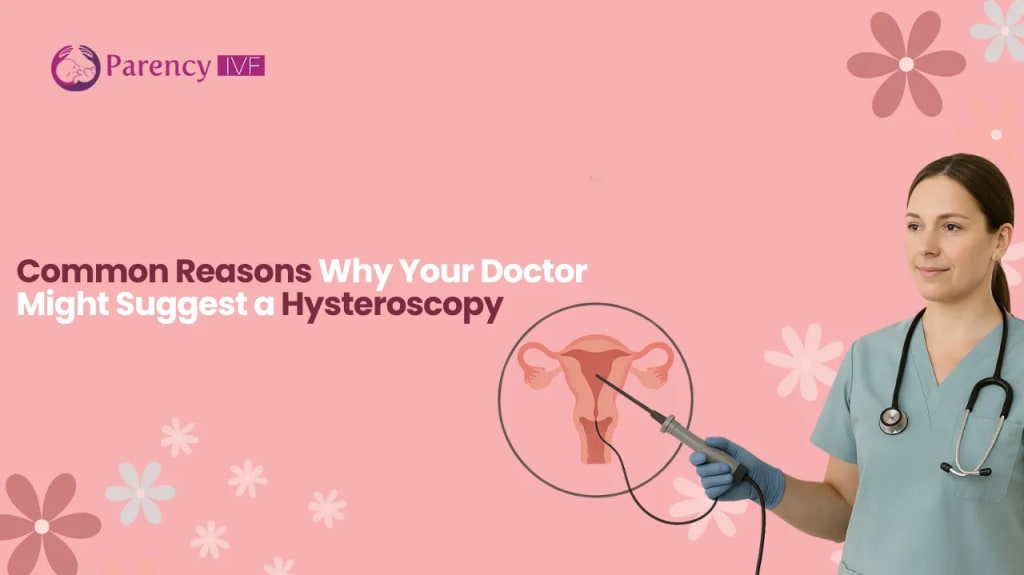
If you’re experiencing unexplained bleeding, pelvic pain, or fertility issues, your doctor may recommend a hysteroscopy to investigate the underlying causes. Hysteroscopy is a minimally invasive procedure that can provide valuable insights into uterine health, helping doctors diagnose and treat various gynaecological conditions. Read on to learn about the common reasons why hysteroscopy may be recommended and what you can expect from the procedure.
What Is a Hysteroscopy?
A hysteroscopy is a minimally invasive procedure used to examine the inside of the uterus using a narrow, lighted tube called a hysteroscope. This procedure allows doctors to investigate uterine conditions that may cause abnormal symptoms such as bleeding, pelvic pain, or fertility problems.
There are 2 types of hysteroscopy: diagnostic hysteroscopy (used for investigation) and operative hysteroscopy (used to treat identified problems). The procedure is typically performed through the vagina, often under local, regional, or no anesthesia, depending on the complexity of the procedure.
You may wonder, "How Painful is a Hysteroscopy without Anaesthesia?" While some mild discomfort may be felt during the procedure, it is generally well tolerated, especially when local anaesthesia is used.
Top Medical Reasons for Hysteroscopy
There are several key reasons why your doctor might recommend a hysteroscopy:
- Abnormal Uterine Bleeding: Heavy, irregular, or postmenopausal bleeding can be signs of underlying uterine conditions like fibroids or polyps.
- Recurrent Miscarriages: Hysteroscopy can help identify structural issues, such as uterine septum or fibroids, which might contribute to pregnancy loss.
- Unexplained Infertility: If other fertility treatments like IUI or IVF have been unsuccessful, hysteroscopy can provide insight into potential uterine issues hindering conception.
- Uterine Fibroids, Polyps, and Adhesions: These conditions can disrupt normal uterine function and affect fertility.
- Septum Diagnosis and Correction: A uterine septum, a congenital abnormality, may be diagnosed and corrected using operative hysteroscopy.
- Lost IUDs or Foreign Objects: If an IUD is misplaced or a foreign object is causing discomfort, hysteroscopy can locate and remove it.
What to Expect During and After a Hysteroscopy
The hysteroscopy procedure typically takes 15-30 minutes and can be performed either in an outpatient department (OPD) or a day surgery unit. Depending on the case, the procedure may be done with or without anaesthesia. After the procedure, you may experience mild cramping, spotting, or light discharge. These symptoms generally subside within a day or two. You can usually resume normal daily activities, although it is suggested that you abstain from heavy lifting or strenuous activities for a short time.
Understanding the Risks and Side Effects
As with any procedure, there are risks associated with hysteroscopy, though they are rare.
- Common Side Effects: Mild cramping, bleeding, and light discharge are the most common and generally resolve quickly.
- Rare Complications: Infections, uterine perforation, or fluid overload are very rare but possible. It’s important to follow your doctor’s aftercare instructions and attend follow-up consultations to monitor your recovery.
While the risks are low, it’s important to consult with your healthcare provider if you experience severe pain, fever, or unusual discharge after the procedure.
Cost & Affordability
The cost for hysteroscopy typically ranges from ₹15,000 to ₹45,000, depending on the complexity of the procedure. Prices may vary between private fertility centres, multispecialty hospitals, and standalone gynaecological setups. Some private IVF centres may offer competitive pricing, and insurance may cover diagnostic or therapeutic hysteroscopy. When comparing costs, consider the quality of care and the expertise of the best IVF doctor. For a more tailored experience, seek a fertility specialist consultation in Bangalore to discuss how this procedure could impact your fertility treatment.
Bottom Line
Hysteroscopy is a safe and effective way to identify and treat various uterine conditions, offering valuable insights for women struggling with fertility issues, abnormal bleeding, or pelvic pain. Early diagnosis through this procedure can prevent major fertility complications and improve the chances of successful pregnancy outcomes.
About the Creator
Parency IVF
Parency IVF Hospital offers top fertility care with IVF, IUI, egg freezing, and surrogacy. With high success rates and expert care, we provide personalized solutions, bringing hope to families across India.
Keep reading
More stories from Parency IVF and writers in Writers and other communities.
How Laparoscopy Can Help Diagnose Infertility in Women
Infertility can be a complex challenge, and for many couples, finding the root cause is often difficult. Laparoscopy has emerged as a key diagnostic tool that can help uncover underlying fertility issues, offering a clearer picture of a woman’s reproductive health. In this blog, we’ll explore how laparoscopy for infertility works, why it’s used, and how it can impact fertility treatment success, such as IVF. We’ll also address the laparoscopic surgery cost for infertility and its benefits in diagnosing conditions that might otherwise go unnoticed.
By Parency IVF9 months ago in Writers




Comments
There are no comments for this story
Be the first to respond and start the conversation.