
Common Mistakes to Avoid When Fitting Artificial Grass
Fitting Artificial Grass
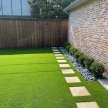

Dreaming of a lush, green lawn without the hassle of mowing and watering? Fitting artificial grass can be the perfect solution, but only if done right. Many homeowners dive into this project without fully understanding the pitfalls, leading to issues like uneven surfaces, poor drainage, and premature wear. In this guide, we’ll explore the common mistakes to avoid when fitting artificial grass, ensuring your synthetic lawn looks stunning and lasts for years to come. Whether you’re a DIY enthusiast or planning to hire professionals, these tips will help you achieve a flawless installation and a lawn you can be proud of.
Choosing the wrong artificial grass type
One of the most critical decisions in fitting artificial grass is selecting the right type of grass for your specific needs and environment. Choosing artificial grass that doesn’t suit your local climate can lead to premature wear and discoloration, which can be both an eyesore and a financial burden. For instance, if you live in a hot, sunny region, you’ll want to opt for a grass type that is heat-resistant and UV-stable to prevent fading and damage over time. Conversely, in cooler or wetter climates, you might need a grass that is more resistant to moisture and mold.
Equally important is considering the level of foot traffic your yard will experience. High-traffic areas, such as play zones or pet areas, require a more durable type of artificial grass that can withstand frequent use without flattening or thinning. If you have children or pets, look for grass with a denser pile and a higher fiber count to ensure it remains lush and resilient. On the other hand, low-traffic areas can benefit from a more decorative, softer grass that enhances the aesthetic appeal of your landscape.
Aesthetic preferences should also play a significant role in your decision-making process. The artificial grass you choose should blend seamlessly with the overall look of your landscape, maintaining a natural and cohesive appearance. Consider factors such as the color, texture, and blade length of the grass to ensure it complements your existing garden features and hardscaping. A well-chosen artificial grass can enhance the beauty of your outdoor space, making it a more inviting and enjoyable area for relaxation and entertainment.
Improper ground preparation
Before you even begin to fit artificial grass, proper ground preparation is crucial to ensure a long-lasting and visually appealing synthetic lawn. One common mistake is failing to clear the area of debris, rocks, and roots. These elements can create lumps and bumps under the grass, leading to an uneven surface that can be both unsightly and dangerous. A thorough clean-up of the installation area is essential to create a smooth base for your artificial grass.
Another critical step often overlooked is the proper compaction of the ground. Not compacting the soil adequately can result in sinking and uneven areas over time, especially in high-traffic zones. This can compromise the stability of your synthetic lawn and lead to costly repairs. Using a plate compactor to ensure the ground is solid and level will help maintain the integrity of your artificial grass for years to come.
Choosing the right sub-base material is also vital for the stability and drainage of your artificial grass. A well-drained sub-base prevents water from pooling, which can lead to mold and other issues. Common sub-base materials include crushed stone or gravel, which provide a stable and permeable base. Ignoring the type of sub-base material can have long-term consequences, affecting the performance and longevity of your synthetic lawn.
Ignoring drainage issues
One of the most overlooked aspects of fitting artificial grass is the importance of proper drainage. Failing to address drainage issues can lead to a host of problems that can compromise the appearance and functionality of your synthetic lawn. Water pooling on the surface is not only unsightly but can also create hazardous conditions, making your lawn slippery and difficult to walk on, especially after heavy rainfall.
Neglecting drainage can also have serious long-term consequences. Over time, water that is not properly drained can damage the sub-base, causing the artificial grass to shift or become uneven. This can result in a bumpy, unstable surface that is both unattractive and potentially dangerous. Moreover, water that seeps into the ground can lead to foundation issues, which can be both costly and time-consuming to repair.
To prevent these issues, it is essential to install a proper drainage system before laying your artificial grass. Options like French drains or perforated pipes can effectively channel water away from the lawn, ensuring that it remains dry and stable. These systems are designed to handle different levels of water flow, making them suitable for various climates and soil conditions. By investing in a quality drainage system, you can significantly extend the lifespan and performance of your synthetic lawn.
Incorrect installation techniques
While proper ground preparation and drainage are essential, the actual installation process is equally crucial when fitting artificial grass. One of the most common mistakes homeowners make is using the wrong adhesive. Choosing an inappropriate adhesive can result in poor bonding, causing the artificial grass to lift prematurely. This not only affects the appearance of your lawn but can also lead to costly repairs. It’s important to use a high-quality, weather-resistant adhesive that is specifically designed for artificial turf to ensure a strong and lasting bond.
Another critical aspect of fitting artificial grass is securing the edges properly. Loose edges can become a tripping hazard and can also allow water and debris to accumulate underneath the grass, leading to mold and other issues. To prevent this, ensure that the edges are securely fastened using appropriate edging materials such as metal or plastic strips. These materials help to keep the edges in place and provide a neat, professional finish to your synthetic lawn.
The choice of infill material is another often-overlooked factor in the installation process. The infill helps to weigh down the grass, maintain its shape, and improve its durability. Using the wrong type or amount of infill can affect the grass’s performance, causing it to flatten or become less resilient. A common infill material is silica sand, which provides excellent stability and drainage. Alternatively, rubber infill can be used to add a softer, more cushioned feel, which is particularly beneficial in play areas or pet zones.
Overlooking maintenance requirements
Once you’ve successfully fitted artificial grass, the work doesn’t end there. Regular maintenance is crucial to keep your synthetic lawn looking its best and functioning properly. Neglecting this aspect can lead to a buildup of dirt, debris, and even mold, which can not only damage the artificial grass but also affect its appearance. Over time, these elements can cause the grass to look dull and uninviting, detracting from the beauty of your outdoor space.
Using the wrong tools for maintenance can be just as detrimental. Sharp or heavy equipment can easily tear or flatten the synthetic fibers, reducing the lifespan of your artificial grass. It’s important to invest in the right tools, such as soft-bristled brooms or specialized turf brushes, to keep the grass in top condition without causing damage. These tools are designed to gently lift and fluff the blades, maintaining their natural look and feel.
Periodic brushing or raking is another essential maintenance task that is often overlooked. Without regular attention, the blades of artificial grass can flatten, losing their natural appearance and making the lawn look unkempt. This is particularly important in high-traffic areas, such as play zones or pet areas, where the grass is more likely to become matted. By brushing or raking the grass regularly, you can ensure it remains lush and vibrant, enhancing the overall aesthetics of your landscape.
Conclusion
In the process of installing artificial grass, it's clear that attention to detail and a thorough understanding of the process can make all the difference. By avoiding the common pitfalls discussed, such as selecting the wrong grass type, improper ground preparation, and neglecting drainage, you can ensure a synthetic lawn that is not only visually appealing but also durable and low-maintenance. Taking the time to properly clear and compact the ground, choose the right sub-base material, and install a reliable drainage system will save you significant time and money in the long run, allowing you to enjoy a flawless lawn for years to come.
About the Creator
Reliable Landscaper Sheffield
Welcome to Landscapers Sheffield, your trusted landscaping experts in Sheffield. With years of experience creating beautiful and functional outdoor spaces, we are passionate about helping our clients transform their gardens.
Keep reading
More stories from Reliable Landscaper Sheffield and writers in Writers and other communities.
How Much Does a Patio Cost?
Creating a patio can elevate your outdoor space, making it both stylish and functional for gatherings, relaxation, or personal hobbies. However, the first question that comes to mind is, "How much does a patio cost?" To answer this, we’ll guide you through each step of the process while using the right tools and resources, including selecting an effective patio cleaner and the game-changing Patio Magic. Whether you're just exploring the idea or ready to jump in, this guide will help you make informed decisions.
By Reliable Landscaper Sheffield10 months ago in Writers




Comments (1)
Fantastic! Great job! Good work!