
Choosing the Best Truss Design: A Guide for Structural Excellence
Best Truss Design

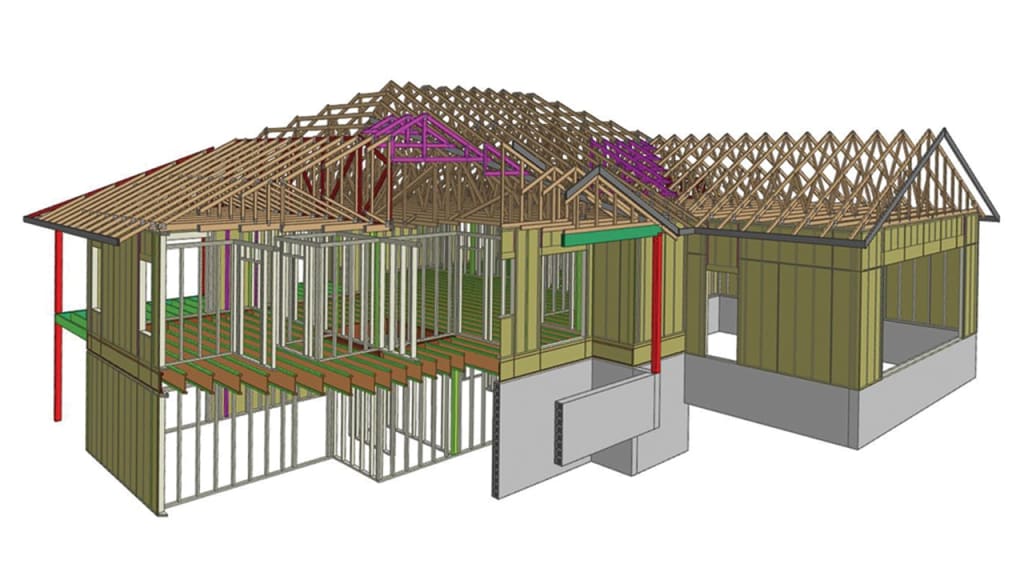
In the world of construction, where strength, efficiency, and cost-effectiveness are paramount, selecting the right truss design can make all the difference in the success of a project. Trusses serve as the backbone of many buildings, providing structural support for roofs, floors, bridges, and more.
When it comes to constructing buildings that stand the test of time, the importance of selecting the right truss design cannot be overstated. Drafting Consultants, with their wealth of experience and expertise in architectural design, offer invaluable insights into choosing the best truss design for a wide range of projects.But with a variety of Best truss designs available, how do you choose the best one for your specific needs? The "best" truss design depends on several factors, including the specific requirements of the project, structural considerations, architectural preferences, and budget constraints. Let's explore some of the top truss designs and their unique benefits:
- King Post Truss: Simple yet effective, the king post truss features a central vertical post (king post) with angled beams extending from it. This design is ideal for smaller spans and applications where simplicity and affordability are key, such as residential roofs, pergolas, and small bridges.
- Queen Post Truss: Similar to the king post truss but with two vertical posts (queen posts), this design offers increased strength and stability, making it suitable for larger spans and heavier loads. Queen post trusses are commonly used in barns, churches, and other structures requiring robust support.
- Howe Truss: Characterized by diagonal members that slope upwards towards the center of the truss, the Howe truss is known for its efficiency and versatility. This design is well-suited for longer spans and is commonly used in residential, commercial, and industrial construction projects.
- Warren Truss: With a series of diagonal members arranged in alternating "W" or "M" patterns, the Warren truss is lightweight, economical, and suitable for a wide range of span lengths. This design is popular for bridges, industrial buildings, and roof structures where cost-effectiveness is a priority.
- Fink Truss: Featuring multiple triangles formed by diagonal and vertical members, the Fink truss offers a good strength-to-weight ratio and is commonly used in residential roof trusses. This design is particularly well-suited for areas with high snow loads, where lightweight yet sturdy support is essential.
- Scissor Truss: Known for its unique "scissor" shape created by angled members intersecting at the center, the scissor truss allows for vaulted ceilings and open interior spaces without the need for load-bearing walls. This design is popular in residential and commercial buildings seeking to maximize space and aesthetics.
- Parallel Chord Truss: With parallel top and bottom chords connected by diagonal and vertical members, the parallel chord truss offers flexibility in span lengths and load-bearing capacities. This design is suitable for a wide range of applications, from residential homes to commercial and industrial structures.
When selecting the best truss design for your project, it's essential to consider factors such as span length, load requirements, architectural aesthetics, and budget constraints. Consulting with a Drafting Consultants can help ensure that you choose the most suitable design for your specific needs and requirements.
When partnering with Drafting Consultants, clients can expect not only expert guidance in selecting the best truss design for their project but also meticulous attention to detail, innovative solutions, and unparalleled dedication to excellence. With their comprehensive knowledge of structural principles and cutting-edge design tools, Drafting Consultants are committed to delivering truss designs that meet—and exceed—the highest standards of quality and performance.
In conclusion, the best truss design is the one that strikes the perfect balance between strength, efficiency, and cost-effectiveness for your project. By understanding the unique benefits of each truss design and carefully evaluating your project requirements, you can make an informed decision that lays the foundation for structural excellence.
About the Creator
Drafting Consultants
Drafting Consultants have over 10 years of experience in drafting and designing, including architectural CAD drawings, computer-aided design (CAD) drawings, truss designs, steel detailing, 3d modeling and 3d rendering animations.
Keep reading
More stories from Drafting Consultants and writers in Writers and other communities.
Illustrate how Architectural Cad Drafting Services contribute to project success through their adept use of these technologies
Architectural CAD drafting services contribute significantly to project success by leveraging advanced technologies in their processes. Their adept use of CAD drafting tools and technologies enhances efficiency, accuracy, and collaboration throughout the entire project lifecycle. Here's an illustration of how architectural CAD drafting services play a vital role in project success:
By Drafting Consultants 2 years ago in Education
Dubai Travel Guide: Your Essential Planning Companion
Dubai defies expectations. This city rises from the Arabian desert like a mirage made real, where record-breaking skyscrapers stand minutes from ancient souks, where you can ski indoors while the sun blazes outside, and where luxury and adventure collide in the most spectacular ways imaginable. Whether you're a first-time visitor or a seasoned traveler seeking something extraordinary, Dubai delivers an experience unlike anywhere else on earth.
By Google Account5 days ago in Writers
Wild Card Weekend Recap: What Happens Now?
I think I figured out why I love Wild Card Weekend so much. It's because it's the first playoff anything of the calendar year. The NFL season starts in the fall, and once upon a time, the champion was crowned either on or slightly before New Year's. The evolution of the NFL schedule has resulted in the playoffs starting just into the New Year, and currently, the final week of the season falls on the first weekend of the New Year, with Wild Card Weekend coming a week after that. So yes, chronologically, the NFL's Wild Card Weekend serves as the first playoff anything of the calendar year.
By Clyde E. Dawkins2 days ago in Unbalanced



Comments
There are no comments for this story
Be the first to respond and start the conversation.