
China's Food Power Play: 2025 Trade War Weaponizing Agriculture China has used a new but potent weapon, food, to intensify its trade war strategies in 2025.
Beijing has demonstrated that food can be a high-impact, low-cost tool in international economic conflicts by imposing tariffs on agricultural products from the United States and Canada. 🥊💼

A Strategic Attack on the United States 🇨🇳🇺🇸
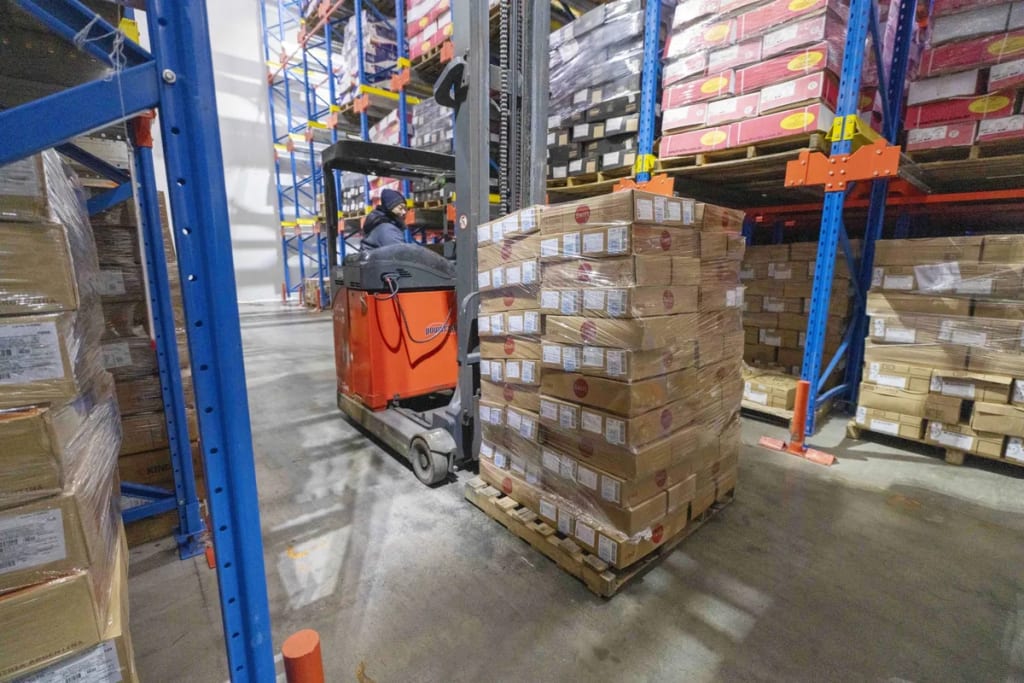
On a wide range of American agricultural goods, China imposed tariffs ranging from 10% to 15% on March 10, 2025. These include cotton, fresh produce, proteins, grains, and a complete halt to soybean imports from three major U.S. companies as well as all American purchases of timber. 🚫🫘🌲
This abrasive move is part of a larger strategy to wield "food power," which is the power a nation has over agricultural imports and exports. China's dependence on foreign food supplies made it historically vulnerable in this area. China, on the other hand, has been able to flip the script thanks to years of investment in domestic agriculture and diversification of import sources. 🚜🌾
Increasing the Front in the Trade War with Canada The United States is not the only place where China uses food-based trade strategies. Beijing announced retaliatory tariffs on Canadian agricultural goods on March 8, 2025, with an effective date of March 20. These are the fees: 100% on peas, oil cakes, and rapeseed oil 25% on aquatic products and pork Canada imposed duties on steel, aluminum, and electric vehicles made in China, prompting these measures. A new wave of uncertainty in the dynamics of global trade has been brought about by this new front in the trade war. 🌐💥
Canada, a global leader in canola production, faces significant obstacles. Its rapeseed oil exports to China were worth nearly C$5 billion in 2023. Farmers and exporters in Canada are scrambling to find alternative markets in a global market that is already volatile as a result of the new tariffs. 📉📊
China's Domestic Drivers: Strategy and Abundance in Balance China's agricultural tariffs are also motivated by domestic economic pressures. China's oversupply of agricultural goods is as a result of the country's underperformance in its recovery from the COVID-19 pandemic. Corn imports have decreased significantly and wheat prices have fallen to a five-year low. 🌽📉
Domestic farmers have faced difficulties as a result of consumer price deflation, which was primarily fueled by lower food prices. The Chinese government has taken a number of steps to stabilize local markets: Import restrictions on grains like barley and sorghum Putting off the shipment of soybeans Increasing the budget for grain stockpiling in order to preserve reserves Both China's agricultural sector and its readiness to use food as an economic weapon are bolstered by these actions. 🎯🍲
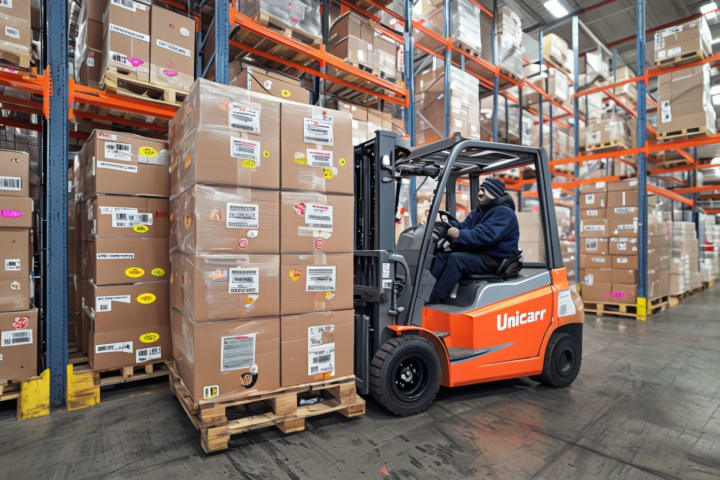
U.S. impact on the world Under Pressure, Farmers China's tariffs have far-reaching ripple effects that go well beyond its borders. Farmers in the United States, particularly those in the Midwest, are anticipating significant financial difficulties. Fuel, feed, and equipment costs were already soaring for many. 🛢️🚜
American manufacturers face the risk of losing access to one of their largest markets due to the tariffs. Products like pork, soybeans, and corn could see their prices plummet if domestic markets are unable to absorb excess supply. This would have an effect on the incomes of farmers and the economies of rural areas. 📉🏘️
Additionally, China's move disrupts global supply chains, which were already under pressure from climate change and geopolitical tensions. As a result, it's possible that other nations that rely on agricultural trade with China will also feel the pinch. Food as a Weapon of Trade: A Tight Balance China's strategic use of food tariffs as a trade dispute weapon demonstrates its growing economic might and self-sufficiency. Beijing is able to exert pressure on its trade partners without escalating military or larger economic conflicts thanks to this strategy, which has significant advantages in negotiations. ⚖️🕊️
However, there are downsides to this strategy. The long-term implications of politicizing food trade could be severe, both for China and its trading partners. Food insecurity is already a problem all over the world, and more disruptions could make hunger and price instability even worse. 🍞💔
Food trade and climate change: a volatile combination Climate change's unpredictable effects on agricultural yields add another layer of complexity. Using food trade as a geopolitical tool may exacerbate food supply chain vulnerabilities as extreme weather events become more common. 🌪️🌾
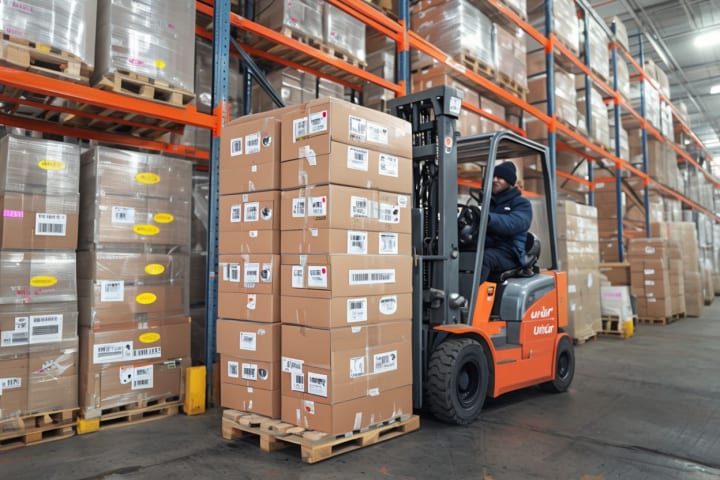
For instance, Beijing's strategy of limiting imports and stockpiling reserves may not be sufficient to protect the country from a food shortage in the event of crop failures caused by the climate. The same holds true for nations that rely on Chinese food imports and run the risk of running out if trade tensions continue to rise. 🚫🍲
In conclusion, Food Power's Future The use of food as a weapon by China in 2025 serves as a stark illustration of how agricultural trade can be utilized in geopolitical maneuvering. Food is not only a necessity but also a tool of influence, and Beijing's confidence in its agricultural resilience is demonstrated through this strategy. 🥗🛠️
The world community must anticipate these strategies' potential outcomes. The complexities of international trade and food security must be balanced by policymakers. The stakes of this food-based trade war could rise as climate challenges become more pressing, putting global cooperation and resilience to the test. 🌎🤝
Food has emerged not only as a powerful means of power and persuasion in this time of economic and environmental uncertainty but also as a means of providing sustenance. In the years to come, trade and security will be shaped by how nations deal with this new reality. 📅🌍
About the Creator
Md Johirul Islam
📝 Hi everyone!
I'm a writer who loves exploring different topics and creating impactful content. ✍️✨ Please share my articles to help them reach more people. Your support means everything! 🙌💙
Thank you! 😊
Keep reading
More stories from Md Johirul Islam and writers in Writers and other communities.
Trump Hits Pause: Tariffs on Mexico and Canada Delayed Amid USMCA Push" 🛑🤝
In a surprising turn of events, former U.S. President Donald Trump announced a delay in implementing certain tariffs on Mexico and Canada, marking a significant shift in his administration's trade policies. This decision has sparked widespread discussions among economists, policymakers, and the general public, as it reflects a potential recalibration of trade strategies in North America. The move comes amid ongoing negotiations and economic pressures, raising questions about its implications for international trade and diplomatic relations. 🤔💼
By Md Johirul Islamabout a year ago in Writers
March 15, 2026
Merriam Webster - Word of the day: Tranche refers to a division or portion of a whole. World Contact Day is commemorated every year on March 15. It is a unique observance held globally to focus on communicating with extraterrestrial life and exploring the possibility that intelligent beings may exist beyond Earth. World Contact Day inspires people to invoke their curiosity and spend time thinking about the universe and the mysteries surrounding it. What is the “Ides of March”? According to the Roman calendar, the Ides are a monthly occurrence. In March and other months with 31 days, the Ides always falls on the 15th; it falls on the 13th in months with 30 days. The Ides traditionally marked the arrival of the new Moon and was cause for celebration. The word “Ides” is derived from Latin, meaning “to divide.” Mothering Sunday in 2026 falls on Sunday, March 15. Mothering Sunday, celebrated in the United Kingdom and Ireland, occurs on the fourth Sunday of Lent, which is exactly three weeks before Easter. Unlike the fixed-date Mother's Day in countries like the United States, Canada, and Australia, Mothering Sunday’s date changes each year according to the Christian liturgical calendar. On March 15, 2026, several notable observances and events are celebrated: Dumbstruck Day: A day to express frustration. Everything You Think is Wrong Day: A day to challenge and celebrate wrong beliefs. International Day Against Police Brutality: A day to raise awareness and advocate against police violence. My look at today, March 15, 2026 below:
By Denise E Lindquistabout 16 hours ago in Writers
Importance of Traceability Documentation in US Military Procurement
Traceability documentation plays a critical role in the procurement processes of the United States military. The defense sector relies on a vast network of suppliers and contractors to deliver the specialized components required for aircraft, naval systems, ground vehicles, communication equipment, and other mission-critical technologies. With such a complex supply chain, maintaining accurate documentation for every component becomes essential to ensure reliability, compliance, and operational readiness.
By Beckett Dowhan5 days ago in Writers


Comments
There are no comments for this story
Be the first to respond and start the conversation.