
Charles Dickens: The Man Who Defined Victorian Literature
Why the World Still Reads Dickens 200 Years Later

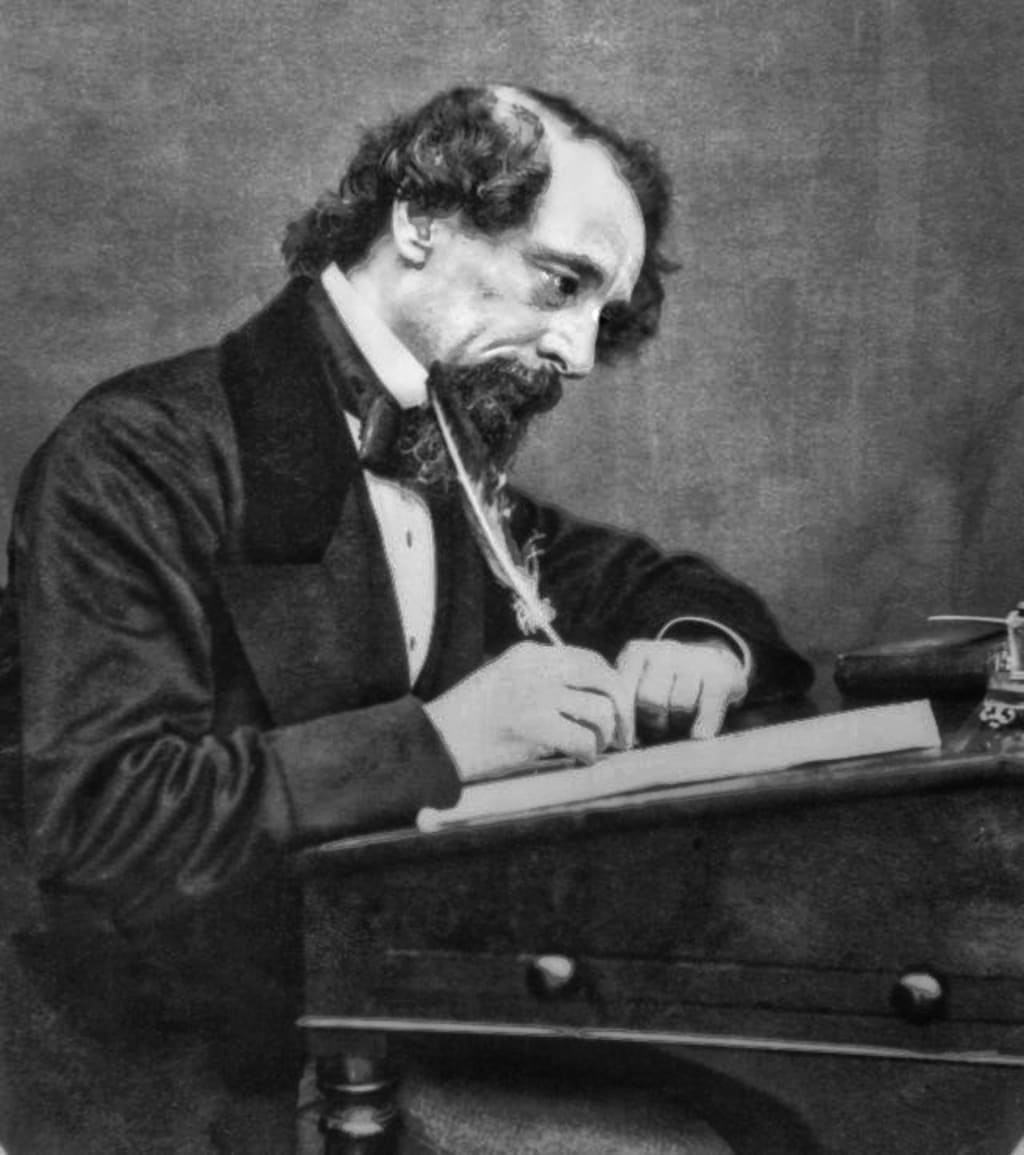
CHARLES DICKENS: THE MAN WHO DEFINED VICTORIAN LITERATURE
WHY THE WORLD STILL READS DICKENS 200 YEARS LATER
📚 "It was the best of times, it was the worst of times..." — these iconic opening words from A Tale of Two Cities capture the essence of Charles Dickens’ genius. Even two centuries after his birth, Dickens remains one of the most celebrated authors in the English language. But why does his work endure? What makes his stories—filled with orphans, misers, and social injustices—still resonate today?
THE UNFORGETTABLE STORYTELLER OF HIS AGE ✍️
Born in 1812, Dickens lived through the heart of the Industrial Revolution, a time of great progress and great suffering. His own childhood was marked by hardship—his father’s imprisonment for debt forced young Charles into a factory job at just 12 years old. This painful experience shaped his writing, fueling his empathy for the poor and his rage against social inequality.
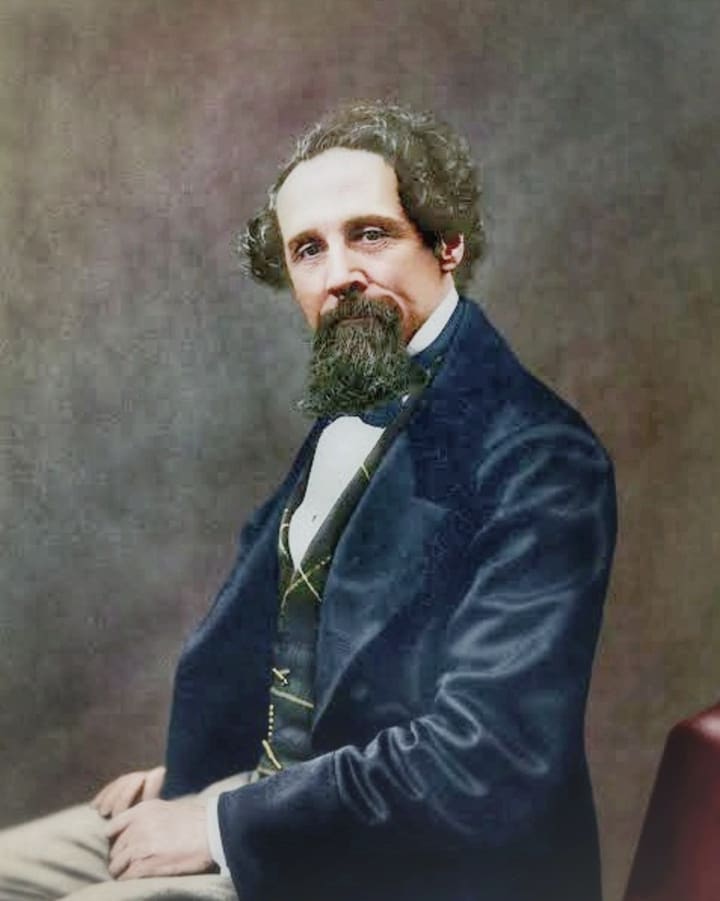
His novels—Oliver Twist, David Copperfield, Great Expectations—are more than just stories; they are mirrors of Victorian society, reflecting its cruelty and its kindness. Dickens didn’t just write; he exposed. He made readers laugh, cry, and—most importantly—think.
DICKENS’ POETRY: A GLIMPSE INTO HIS SOUL 🖋️
Though best known for his novels, Dickens also penned poignant poetry. One of his lesser-known verses reflects his deep social consciousness:
"The shadows of our own desires stand between us and our better angels."
— Charles Dickens
This line, much like his novels, reminds us that human flaws and redemption are timeless themes.
WHY DICKENS STILL MATTERS TODAY 🌍
1. HIS CHARACTERS LIVE FOREVER 🎭
From the miserly Ebenezer Scrooge (A Christmas Carol) to the tragic Miss Havisham (Great Expectations), Dickens created characters so vivid they feel like real people. Even those who’ve never read his books know Oliver Twist’s "Please, sir, I want some more." These figures have escaped the pages of literature to become cultural symbols.
2. HE FOUGHT FOR THE POOR AND OPPRESSED ✊
Dickens didn’t just describe poverty—he attacked the systems that caused it. Oliver Twist exposed workhouse cruelty, Bleak House criticized legal corruption, and Hard Times condemned industrialization’s dehumanizing effects. His writing sparked real social change, helping to shift public opinion on child labor and education reforms.
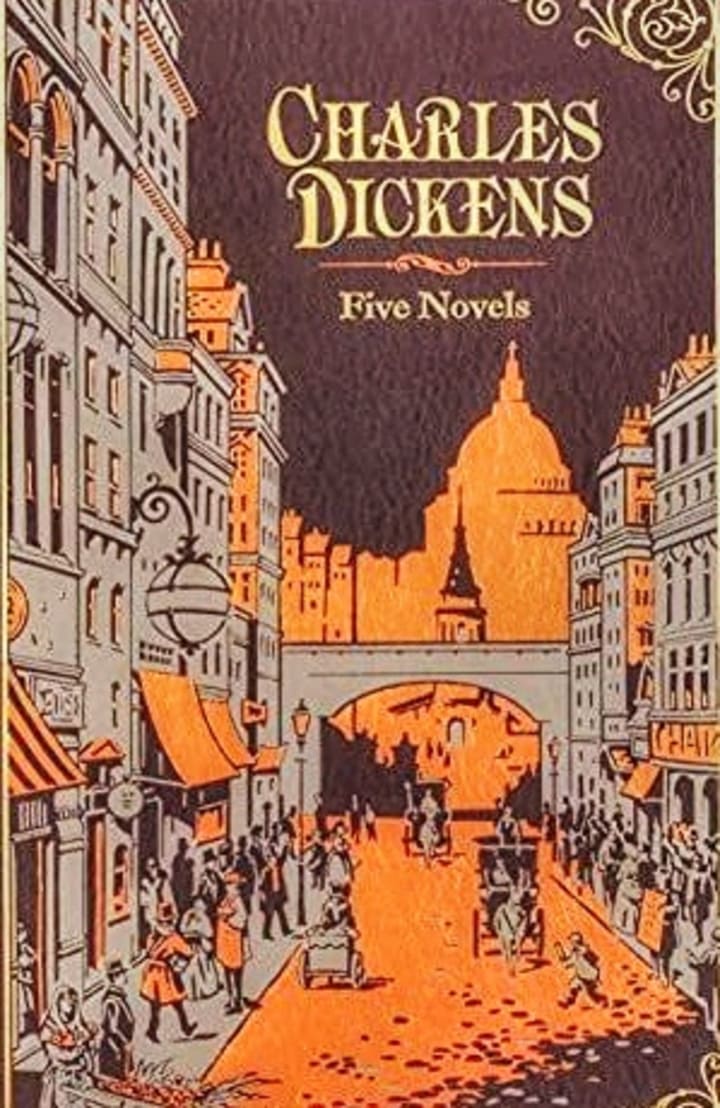
3. HIS STORIES ARE SURPRISINGLY MODERN �
If Dickens were alive today, he’d likely be writing about income inequality, corporate greed, and prison reform. His themes—injustice, redemption, and the struggle for dignity—are universal. The wealth gap he wrote about in A Christmas Carol still exists; the bureaucratic nightmares in Little Dorrit still feel familiar.
4. MASTER OF SERIAL STORYTELLING 📖
Before binge-watching TV shows, there was Dickens’ serialized novels. His works were published in monthly installments, keeping readers hooked with cliffhangers and plot twists. This made his writing accessible to the masses, not just the elite.
A DICKENSIAN TALE: THE GHOST OF STORIES PAST 👻
Let’s imagine a short Dickens-esque fable:
THE LANTERN OF FORGOTTEN TALES
In a foggy London alley, an old bookseller guarded a mysterious lantern. "Whoever lights it," he whispered, "shall see the stories the world tried to forget."
A curious child, much like young Dickens, lit the lantern. Shadows swirled, forming figures—a starving boy in a workhouse, a girl in a wedding dress frozen in time, a wealthy man haunted by regret.
"Why do these stories still linger?" the child asked.
The bookseller smiled. "Because they are not just tales of the past—they are warnings, lessons, and hopes that live in every age."
And just like that, the lantern’s glow brightened, ensuring Dickens’ stories would never fade.
CONCLUSION: THE ETERNAL FLAME OF DICKENS’ LEGACY 🔥
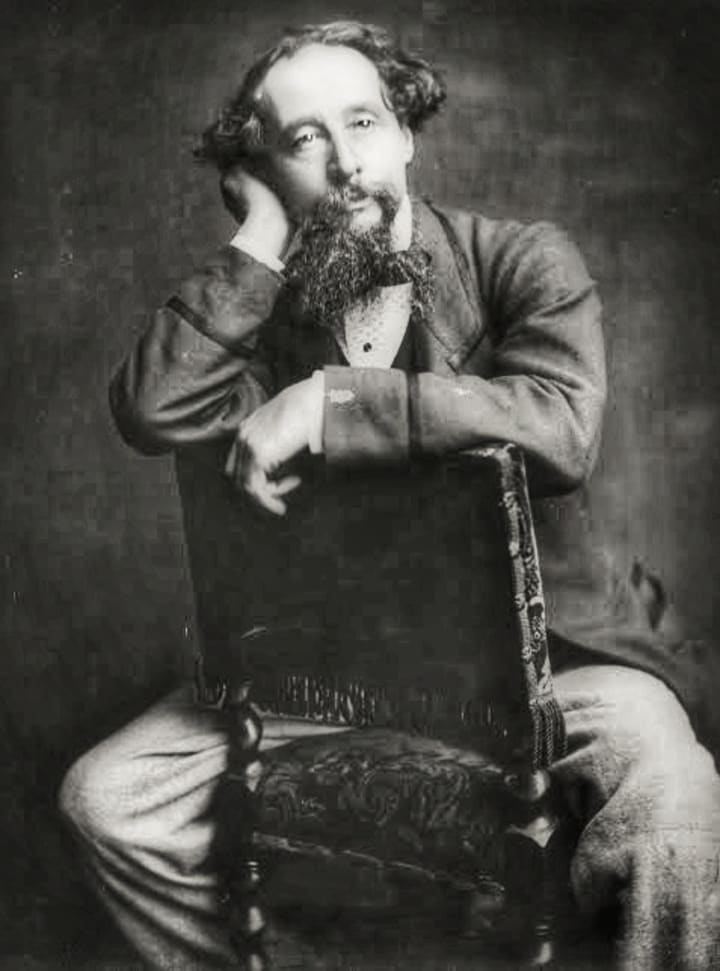
Charles Dickens was more than a novelist—he was a social critic, a humorist, and a champion of the downtrodden. His works endure because they speak to the timeless struggles of humanity. Whether through the redemption of Scrooge or the resilience of Pip, Dickens reminds us that change is possible, that compassion matters, and that stories have the power to transform the world.
So, why do we still read Dickens? Because his voice—full of wit, fury, and hope—still echoes in our own times. As long as injustice exists, as long as love and loss shape our lives, Dickens will remain not just a Victorian writer, but a writer for all ages.
"Have a heart that never hardens, and a temper that never tires, and a touch that never hurts."
— Charles Dickens
About the Creator
Am@n Khan
I'm educational storyteller passionate about turning knowledge into engaging narratives.
I write about topics like science, history and life skills.
Contact
WhatsApp : +923336369634
The Darkness He Called Home
He did not want a way out. He wanted company in the dark. It is dark in here. Not the kind of darkness that simply falls when the Sun goes down, but the kind that clings - damp, cold, airless. It settles on my skin like a second layer, seeps into my lungs, presses against my ribs. The walls sweat. The ground is unstable. Even silence feels wet here.
By Gabriella Retia day ago in Writers
Why Didn't Anyone Tell Us
Men, move along. This is not for you. This is for the women. I was forty-five when I began menopause. It is pretty young for that to be going on in a woman’s life, but I had undiagnosed PCOS, my entire life. Thank you to all the gynecologists I had seen my entire life. That in itself should encourage women to keep seeking second opinions, especially when you are not getting correct answers or any at all.
By Alexandra Grant3 days ago in Humans




Comments
There are no comments for this story
Be the first to respond and start the conversation.