
Are Milk Pockets Safe and Eco-Friendly? Here’s What to Know
Exploring the Safety, Sustainability, and Practicality of Milk Packaging Innovations
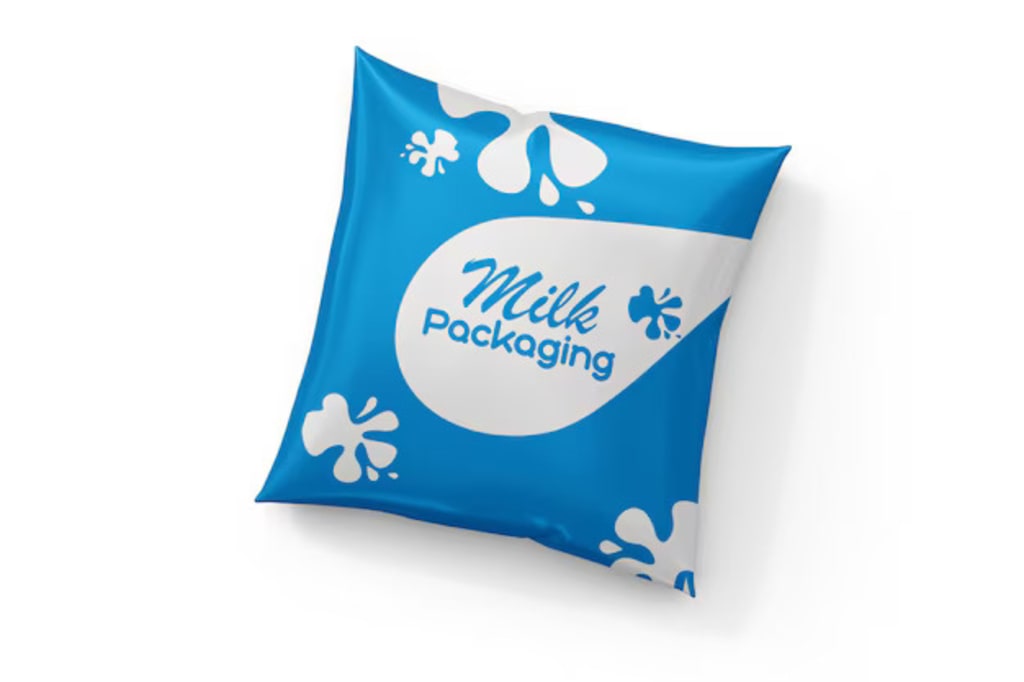
In a world where convenience and sustainability go hand in hand, milk pockets have emerged as a smart alternative to traditional packaging. These innovative containers offer practical benefits for both consumers and dairy producers. But are they truly safe and environmentally friendly? Let’s break it down in detail and explore what makes them a preferred choice over a standard pouch of milk.
Understanding What Milk Pockets Are
Milk pockets are compact, sealed packaging units specifically designed for storing and transporting milk. Unlike the typical plastic or polythene pouches of milk, these are made with multilayer materials that provide a longer shelf life and reduced risk of contamination. Their design is user-friendly, with easy-open features and spill-resistant technology that adds to their appeal, especially in urban households.
Safety Standards and Regulations
Safety is a top concern when it comes to food packaging. Milk pockets are manufactured under strict hygienic conditions and must meet food-grade safety regulations. Most are BPA-free, tamper-proof, and designed to preserve the nutritional value of the milk. The sealing technology used in these containers helps prevent exposure to air and bacteria, ensuring that consumers receive fresh milk every time they open one.
In comparison to traditional pouches of milk, these newer formats often have better sealing mechanisms and are less prone to leaks or microbial growth. Manufacturers also conduct regular quality checks to maintain food safety standards from production to consumption.
Are They Really Eco-Friendly?
The eco-friendliness of milk pockets depends largely on the materials used. While some brands use recyclable or biodegradable films, others still rely on mixed plastics that are harder to process. However, innovations in packaging are continuously evolving to reduce environmental impact. Some milk pockets use compostable layers or plant-based materials, helping minimize landfill waste.
Compared to the commonly used pouch of milk that often ends up in landfills or oceans, milk pockets designed with sustainability in mind are a step in the right direction. It’s essential, though, for consumers to dispose of them responsibly and for producers to adopt better end-of-life solutions like take-back programs or recyclable packaging lines.
Benefits Over Traditional Milk Packaging
- Extended Shelf Life: Multilayer barriers help retain freshness longer.
- Convenience: Easy to open, carry, and store without spilling.
- Portability: Great for travel, offices, or single-use scenarios.
- Hygiene: Airtight sealing reduces contamination risks.
These features make milk pockets highly versatile compared to standard pouches of milk, which often require immediate refrigeration and are prone to spills and leaks.
Consumer Adoption and Market Trends
Milk pockets are slowly gaining popularity in urban and semi-urban regions where convenience and hygiene are top priorities. Brands are promoting them not just as a modern alternative, but also as a greener one. Their compact size and aesthetic appeal attract younger consumers looking for eco-smart lifestyle choices. However, pricing and lack of awareness still act as barriers to widespread adoption.
As the demand for sustainable packaging grows, more companies are expected to switch from conventional pouches of milk to advanced packaging like milk pockets, helping bridge the gap between convenience and environmental responsibility.
Final Thoughts
Milk pockets offer a promising alternative to traditional dairy packaging, addressing both safety and sustainability concerns. While not all variants are fully eco-friendly yet, the push towards recyclable and biodegradable materials is a positive sign. Consumers looking for safer and smarter milk storage solutions can consider milk pockets as a practical choice — especially when produced with environmentally conscious practices.
As with all packaging, the real impact lies in responsible manufacturing and consumer disposal behavior. If the industry and consumers work together, milk pockets could become a cornerstone of sustainable dairy consumption in the near future.
About the Creator
Keep reading
More stories from masoonclarke and writers in Writers and other communities.
What Makes Courier Bags Truly Eco Friendly? Find Out Here
With the explosion of e-commerce, courier packaging has become a critical part of our everyday life. However, with this rise in convenience comes an equally significant environmental concern—plastic waste. As companies and consumers grow more conscious of their carbon footprints, the demand for more sustainable packaging solutions has surged. This is where the discussion around eco friendly courier bags begins.
By masoonclarke5 months ago in Writers
Untitled
I pat my brows with a handkerchief I fancy, and I think about the plight we are in today; it makes me squirm. In all my words you seek to find a formula, but your ledgers are filled with trending tabs (ephemeral tallies). You make me feel like I should be held in a box. It is impossible for someone to grow or be better than they were yesterday; simply by choice, they wish to step back and publish a little slower, less frequently.
By Caitlin Charltonabout a month ago in Writers
I Exist Between Worlds
I exist between worlds—not lost, not found, but suspended in a soft place where definitions grow tired of trying to hold me. I wake each morning with one foot in what was and the other testing what might be, and the floor beneath me is neither solid nor gone. It hums. It asks me to listen.
By LUNA EDITHabout 14 hours ago in Writers
The Devil's Cut
“Comrade, finally you’re awake.” The voice was smooth, sensual. A flickering incandescent bar was all that lit the white, sterile room. All Vladimir remembered was everything going black. He tried to move his arms and found them strapped to the gurney.
By Matthew J. Fromm4 days ago in Fiction


Comments
There are no comments for this story
Be the first to respond and start the conversation.