
Are Emergency Lift Repairs Avoidable With Regular Maintenance?
Discover How Routine Lift Maintenance Can Prevent Costly Breakdowns and Ensure Passenger Safety
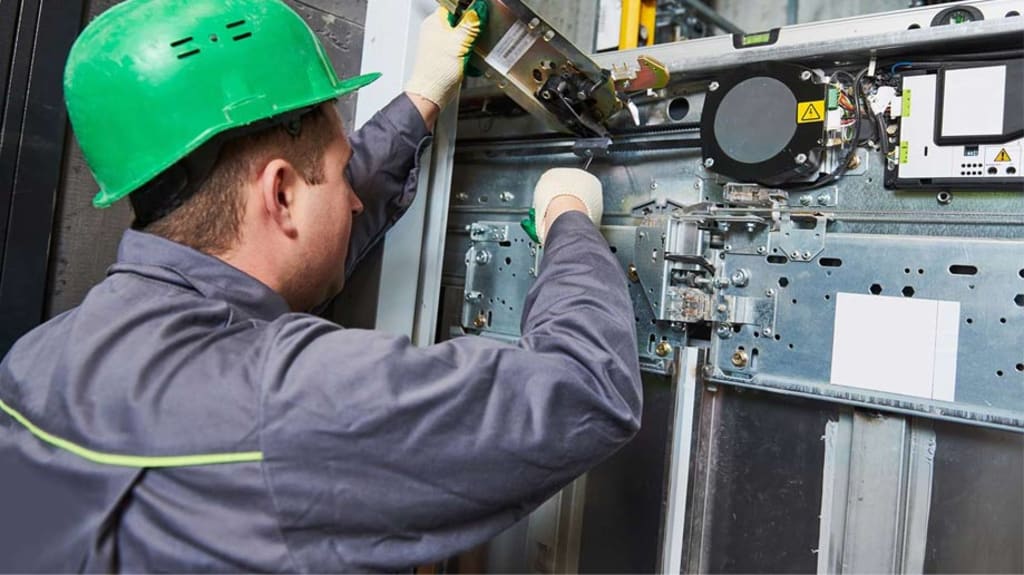
What if you get stuck in a lift when it suddenly stops working? Isn't it scary and stressful, right? That’s what happens when lifts break down without warning.
But did you know that regular maintenance can help stop this from happening? The answer to that is yes, often in an emergency, lift repairs can be avoided with regular lift maintenance.
Let's talk about it and see how:
1. Preventive Maintenance
Regular maintenance ensures that minor issues are identified and addressed before they become bigger, more expensive problems. Engineers can make regular checks, lubrications, and adjustments to keep the lift running smoothly, lessening the possibility of sudden breakage.
2. Proactive Diagnosis
With regular servicing, engineers can detect early signs of wear and tear in components like motors, cables, or safety features. Fixing these small problems beforehand prevents the system from failing, which may cause an emergency repair.
3. Increased Lifespan
A lift that is properly maintained will generally last longer and require fewer urgent repairs. Regular checks extend the operational life of the lift by ensuring its parts are functioning efficiently, ultimately reducing the likelihood of needing emergency services.
4. Evading Safety Dangers
Unforeseen lift breakdowns can cause safety problems, including stranding passengers inside. By staying proactive with maintenance, safety problems are identified and solved before they become bigger issues.
5. Cost-Effectiveness
While maintenance has a cost, it's often far cheaper than emergency repairs. Over time, regular servicing can save you money by avoiding expensive breakdowns and reducing the need for emergency call-outs.
6. Detailed Condition Reports
One of the major aspects of periodic maintenance is that engineers create comprehensive service reports. In this manner, you get a picture of how your lift stands today, and what might happen in the future- it provides you with options to intervene before situations become emergencies.
Why Do Emergency Lift Repairs Occur?
Most sudden lift breakdowns happen because of:
- Mechanical wear and tear
- Skipping normal lift maintenance
- Failure to perform correct lift checks
For instance, cables, brakes, and motors can deteriorate over time. Without routine lift inspections, these problems remain undetected until the lift fails.
Regular lift maintenance is vital in busy commercial buildings. Without it, you risk breakdowns, upset clients, and safety problems for everyone using the building.
Lift Servicing In The UK: Why It Matters
Choosing the right lift maintenance company matters greatly if you live or work in the UK. An experienced company will give you a proper schedule, explain every check, and keep your lift in shape. Quality lift servicing in the UK ensures you're always one step ahead of unexpected repairs.
Conclusion: Stay Safe With Regular Lift Maintenance
To summarise, emergency lift repairs are not always necessary if you invest in proper maintenance. Regular lift maintenance checks, condition reports, and early fixes can prevent major problems, keep people safe, and save money in the long run.
If you need a reliable partner in the UK, Arrival Lifts is here to assist with bespoke plans, true-to-word quotes, and 24/7 assistance.
Don't wait until a breakdown — call Arrival Lifts today to arrange your maintenance and ensure your lift keeps on going!
About the Creator
Keep reading
More stories from arrival lifts and writers in Writers and other communities.
Top 5 Considerations When Planning A Commercial Lift Installation
A commercial lift installation can increase the accessibility and value of your property. Whether you're upgrading an existing system or planning a new lift installation, it's essential to ensure that the procedure meets the needs of your building, industry standards, and long-term functionality. Obtaining the proper planning permission is advantageous in selecting an appropriate model and considering the top 5 factors to remember. So, let’s look for them below:
By arrival lifts9 months ago in Writers
Whiskey At Dusk
Guess the whiskey was more important to you in the end, wasn’t it? It was more than the well-being of your friends; more vital than showing up to the places you promised you would and could come to; more critical of a matter than fulfilling your damn responsibilities and getting the press off your back.
By Snarky Lisa8 days ago in Humans


Comments
There are no comments for this story
Be the first to respond and start the conversation.