
Antimalarial Medication: Understanding Side Effects and Risks
Insights into Common Reactions and Long-Term Impacts
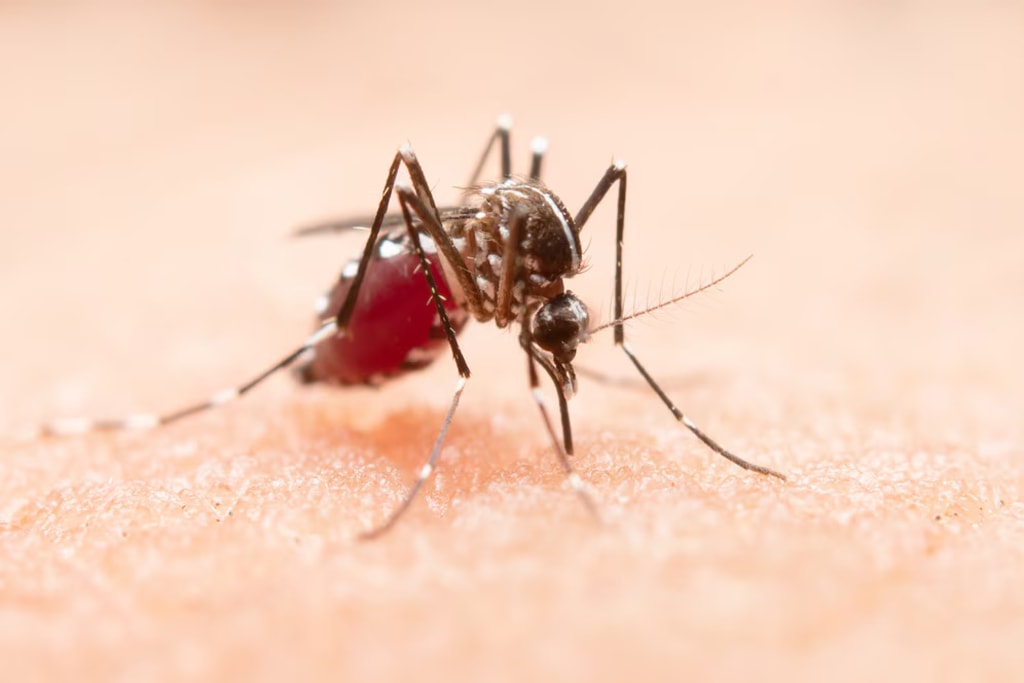
Malaria is caused by Plasmodium parasites transmitted through mosquito bites. Luckily, antimalarial drugs can prevent and treat malaria, which can otherwise become life-threatening. These medications are effective in combating malaria, true. However, several side effects can also occur, from mild discomfort to severe health complications. Understanding these side effects can help people determine which treatment option will be best for them. This blog discusses the common, less common, and serious side effects of antimalarial medication. Read on to learn more.
Common Side Effects of Antimalarial Drugs
Temporary side effects that are mild to moderate are common in people taking antimalarial medication. These include:
Gastrointestinal Issues
- Nausea and vomiting – This is a common reaction to antimalarial drugs, often mild but sometimes severe.
- Stomach pain and diarrhea – These are two other common symptoms of antimalarial medications and can lead to dehydration if persistent.
- Loss of appetite (anorexia) – Some individuals may lose appetite as a side effect of antimalarial medicine.
Neurological Symptoms
- Headache is another common symptom that’s often mild but can be bothersome.
- Dizziness – Dizziness may affect balance and coordination.
- Fatigue and weakness – Antimalarial medications in high doses may lead to fatigue and weakness.
Other Common Side Effects
- Fever and chills – These symptoms appear to be side effects of antimalarial medicine and are often mistaken for malaria symptoms.
- Muscle or joint pain – Often appears as flu-like symptoms.
- Skin rash and itching – These are often mild allergic symptoms.
Less Common but Potentially Serious Side Effects
While uncommon, some antimalarial drugs can cause severe health issues that require immediate medical attention.
Liver Problems
- Jaundice – Characterized by yellowing of the skin and eyes, indicating liver distress.
- Elevated liver enzymes – This can lead to liver inflammation or damage.
- Liver failure – Rare but potentially fatal, particularly with prolonged use or overdose.
Visual Disturbances
- Blurred vision – This may be temporary or long-lasting.
- Retinopathy – Damage to the retina may also occur, particularly during prolonged use.
- Irreversible vision loss – This is seen in rare cases, mainly with chloroquine or Hydroxychloroquine.
Cardiovascular Effects
- Fast or irregular heartbeat – This can be dangerous, especially in individuals with heart conditions.
- Changes in heart rhythm – Some antimalarial medicine can prolong the QT interval, leading to arrhythmias.
- Low blood pressure (hypotension) – May cause dizziness and fainting.
Psychiatric Symptoms
- Anxiety and nightmares – Often reported with mefloquine.
- Hallucinations and psychosis – Severe mental disturbances requiring medical attention.
- Seizures – Rare but can occur in predisposed individuals.
Other Serious Reactions
- Anemia – A drop in red blood cell count, leading to fatigue.
- Thrombocytopenia – Low platelet count, increasing the risk of bleeding.
- Anaphylaxis – A severe allergic reaction requiring emergency treatment.
- Stevens-Johnson syndrome – A life-threatening skin reaction.
- Erythema multiforme – An immune system-triggered skin reaction.
Side Effects of Specific Antimalarial Medication
Different antimalarial medications have unique side effect profiles:
- Malarone (Atovaquone-Proguanil) – Commonly causes headaches, nausea, vomiting, and stomach pain.
- Mefloquine – Known for its neuropsychiatric effects, including dizziness, confusion, psychosis, and seizures.
- Chloroquine and Hydroxychloroquine can lead to visual disturbances and long-term retinal damage.
- Artemether-Lumefantrine – Frequently causes headaches, fever, dizziness, fatigue, nausea, and vomiting.
Important Safety Precautions
Severity and Duration of Side Effects
The intensity and duration of side effects vary among individuals. Some side effects may disappear after a few days, while others may persist or worsen. Prolonged or severe reactions should be reported to a healthcare provider.
Individual Variation in Drug Response
Genetic differences, pre-existing conditions, and overall health can influence how a person reacts to antimalarial medication. Some people may tolerate certain drugs well, while others experience significant discomfort.
Drug Interactions to Be Aware Of
Antimalarial drugs can interact with other medications, such as blood thinners, antidepressants, and heart medications. Inform your doctor about all your medications to avoid adverse interactions.
Consult a Doctor if Side Effects Occur
If you experience severe or unusual side effects, seek medical attention immediately. Early intervention can prevent complications and ensure that alternative treatment options are considered if necessary.
Conclusion
While antimalarial drugs are essential in fighting malaria, they can have potential side effects ranging from mild to severe. Understanding these risks can help individuals make informed choices about their treatment. In addition to medication, preventive strategies such as mosquito control measures can significantly reduce the risk of malaria.
Always follow your doctor’s advice, monitor your symptoms, and report any concerning reactions to ensure these medications' safe and effective use. If traveling to a malaria-endemic region, consult a healthcare provider well in advance to discuss the best preventive approach tailored to your specific health needs.
About the Creator
Keep reading
More stories from William David and writers in Writers and other communities.
The beneficial impact of Weight Maintenance Injections in Surbiton
Maintaining weight indeed is a journey. There are people for whom following a particular diet and exercise may not prove to be sufficient to maintain the kind of weight they wish to have. So for them it is best to consider the option of weight loss medication. This is precisely where the weight loss or weight maintenance injections come into play. These medications lend a helping hand to get rid of the excess weight that tends to create a lot of trouble. Appetite suppressant - that is what these injections act as and they help to reduce hunger.
By William David11 months ago in Writers
2025, In So Many Words
About a year ago, I posted my first piece here on Vocal in years. In Making it Hard to Fail, I talked about my goals for the new year in response to a challenge prompt. My goal was simple: to write for 15 minutes a day. No more was required, though as I suspected (and found in executing this plan) more did often follow.
By Raistlin Allen5 days ago in Writers
Trouble at the Tea Leafing Café
The rain had started right around the time that Annie was buttering her second thick slice of homemade toast for breakfast, and hadn’t paused since. Not that anyone could tell. The windows of the café were fogged over, and with every seat filled with happy customers munching on fresh baked pastries or steaming bowls of the delicious soup of the day, it was hardly surprising. Annie looked around the room, finally taking a moment to breathe after the lunch time rush. Her old life already felt like a bad memory, a part of her history, always, but just that. History.
By Hannah Moore5 days ago in Fiction



Comments
There are no comments for this story
Be the first to respond and start the conversation.