
AI-Driven Product Matching for Auto Parts
Increasing Accuracy and Customer Satisfaction

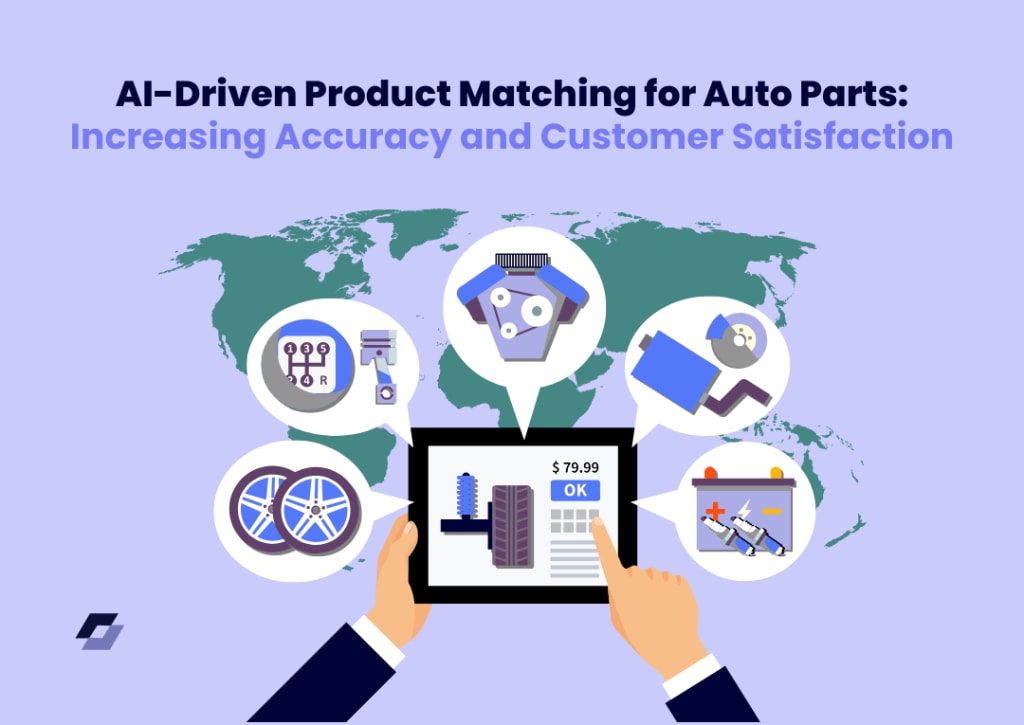
Have you ever had to deal with frustrated customers looking for auto parts that just don’t seem to match their requirements or that of their vehicle? It’s very common. Can you believe studies show that as much as 30% of auto parts are returned for this very reason that they do not match well?
Imagine your automotive business ending up receiving more returns than payments from customers looking for matching Auto parts. Terrible, isn’t it? But how do you avoid this common scenario in the automotive e-commerce market? The answer is reducing errors significantly by using AI! AI-driven product matching is a machine-learning approach for product matching and categorization that can supercharge your accuracy in matching products as well as customer satisfaction.
Research shows that businesses that are using AI product matching solutions and real-time data can bring down these returns by 20% and increase profit by 10%. Want to be amongst these forward-thinking businesses yourself and reap benefits like better accuracy, increased customer satisfaction rates, and fuss-free dealings? Read along and get the hang of how AI-driven product matching in e-commerce is making a good difference.
First Up, What is AI-Driven Product Matching?
Simply put, AI-driven product matching is about using advanced algorithms to identify and suggest correct auto parts based on different parameters like vehicle specs, customer needs and preferences, and real-time inventory data. This technology basically analyzes large amounts of data to make sure that your customers receive the most fitting and accurate product recommendations when it comes to finding auto parts.
In an industry where vehicles require numerous parts, ensuring your customers find the right match quickly is crucial to staying competitive. After all, product matching helps streamline their shopping experience by reducing the time spent searching for compatible components. To make it clearer, here’s how product-matching AI algorithms function to make it happen:
Machine Learning: AI algorithms use product-matching machine learning techniques to analyze historical data and work with greater accuracy over time as they learn from previous matches and customer dealings. For example, if your customer frequently buys brake pads for a particular make and model, the system you select will learn this preference and suggest to your client similar products in the future or repeat search instances.
Real-Time Data Integration: One more thing AI Product matching tools use is real-time data and that too from various sources like customer feedback, supplier data, and manufacturer specification to constantly keep the product catalogs updated. This ensures that your customers always see the most relevant options available.
Challenges in Auto Parts Product Matching
Auto parts product matching comes with unique challenges which explain the need for using cutting-edge solutions:
Data Inconsistency: Variability in part numbers and descriptions across different manufacturers complicates accurate matching. For example, one manufacturer may label an auto part differently than another, leading to confusion.
Complexity of Vehicle Specifications: With thousands of makes and models on the road today, ensuring compatibility can be challenging without robust data analysis. A single vehicle might require different parts based on its production year or specific features.
High Return Rates: Incorrect matches lead to increased return rates, which can significantly impact profitability and customer trust.
Article Source: https://www.priceintelguru.com/article/ai-driven-product-matching-for-auto-parts
About the Creator
PriceIntelGuru
PriceIntelGuru by WebDataGuru is an AI-powered platform for competitive price intelligence, product matching, and dynamic pricing. It helps retailers and brands optimize pricing, track competitors, and drive smarter, data-driven decisions.
Keep reading
More stories from PriceIntelGuru and writers in Writers and other communities.
Dynamic Pricing Unlocked: Essential Strategies for Profit Optimization
In today’s competitive retail and e-commerce landscape, businesses need agile pricing strategies to stay ahead. Dynamic pricing, also known as real-time pricing, allows companies to adjust prices based on market demand, competitor pricing, and other factors. This guide explores dynamic pricing strategies, their importance, and how they can boost your business growth.
By PriceIntelGuruabout a year ago in Writers
Wild Card Weekend Recap: What Happens Now?
I think I figured out why I love Wild Card Weekend so much. It's because it's the first playoff anything of the calendar year. The NFL season starts in the fall, and once upon a time, the champion was crowned either on or slightly before New Year's. The evolution of the NFL schedule has resulted in the playoffs starting just into the New Year, and currently, the final week of the season falls on the first weekend of the New Year, with Wild Card Weekend coming a week after that. So yes, chronologically, the NFL's Wild Card Weekend serves as the first playoff anything of the calendar year.
By Clyde E. Dawkins6 days ago in Unbalanced




Comments
There are no comments for this story
Be the first to respond and start the conversation.