
Agile Shields: How Innovation Is Elevating Air Defense Systems
Air defense systems experience radical transformation as they adapt to fast-paced technological changes and evolving threats.

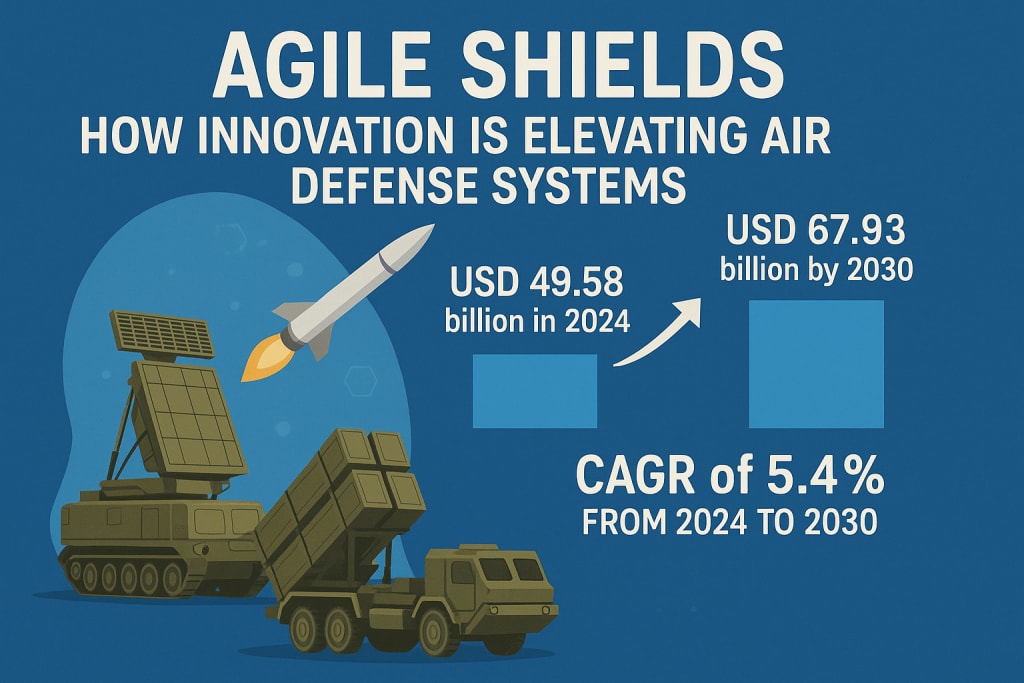
Modern air defense structures have moved beyond fixed missile intercept systems and obsolete radar networks to become flexible and smart systems that adjust and learn. Innovative advancements in sensors, software, automation and integration technologies drive this evolution which introduces a new era of intelligent "agile shields" capable of precise and rapid detection and elimination of aerial threats.
A Changing Threat Landscape
Aerial threats have become increasingly complex in nature. Fast drones and hypersonic weapons along with cyber-enabled jamming technologies now complement traditional fighter jets and ballistic missiles. Air defense systems need to advance beyond reactive capabilities to become proactive systems that integrate networking and intelligence functions.
The evolving aerial threat landscape forces global defense forces to rethink their approach to protecting airspace. The answer lies in agility: defense systems need to be modular so they can move quickly and react instantly to changing battlefield conditions.
Innovation at the Core
The transformation centers around a series of technological advancements that create defense systems which demonstrate enhanced responsiveness and resilience.
• AI and Machine Learning: These technologies advance target detection capabilities, improve classification methods and accelerate decision-making processes. Through predictive threat analysis AI systems decrease operator workload when managing high-intensity combat situations.
• Multi-Layered Defense Architectures: Current air defense systems integrate numerous protection layers including long-range missile interceptors and short-range counter-drone systems which enable adaptable defense networks capable of countering different threats across various altitudes.
• Sensor Fusion and Network-Centric Warfare: Real-time integration of radar, optical and infrared sensors delivers data to a centralized command system that improves situational understanding and speeds up response actions.
• Hypersonic and Directed Energy Weapons: The development of these technologies marks the future path for defeating ultra-fast and stealthy targets which remain challenging to intercept.
• Mobility and Modularity: Agile air defense platforms enable rapid deployment and quick adaptation to various threat environments for both troop protection and urban defense.
Market Momentum and Global Adoption
The air defense system sector experiences significant expansion. The rising geopolitical tensions and regional conflicts along with the growing use of unmanned aerial systems (UAS) are leading nations to increase their investments in defense modernization programs.
Key trends in the global market include:
The emergence of Integrated Air and Missile Defense (IAMD) systems marks a new era in defensive military strategies.
Global defense initiatives such as NATO’s missile defense system and the EU’s air defense strategy represent collaboration across international boundaries.
The Asia-Pacific and Middle East regions display increasing demand for adaptable yet economical defense solutions.
Companies such as Lockheed Martin and Rafael together with Raytheon and various startups bring advanced solutions through modular and AI-based innovations.
Challenges and Considerations
Despite the technological leaps, several challenges remain:
• High costs and procurement delays
• Interoperability issues across legacy and new systems
Digital defense networks require stronger cybersecurity measures due to their expanding digital footprint.
The threat landscape rapidly evolves as low-cost drones and loitering munitions emerge as primary concerns.
To ensure defense capabilities remain effective in the future nations must adopt flexible procurement models, strengthen their R&D funding and build international partnerships.
The Road Ahead
The concept of air defense has transformed from a stationary barrier into an adaptive digital framework that functions intelligently. Agile technology-based air defense systems provide not just enhanced capabilities but fundamentally transform modern airspace security approaches.
The successful companies in air defense will be those who merge adaptability with precision along with speed and strategic foresight as innovation progresses and defense needs change.
Latest Press Release: https://www.prnewswire.com/news-releases/air-defense-system-market-size-worth-67-93-billion-by-2030--exclusive-study-by-the-research-insights-302461671.html
About the Creator
Paxton Templeton
I’m a storyteller at heart with a passion for turning data into compelling narratives. With a focus on industry trends, market insights, and growth statistics, I bring clarity to complexity
Keep reading
More stories from Paxton Templeton and writers in Writers and other communities.
The Concrete Sealers Market: Reinventing Infrastructure Durability through Innovation
The aging of infrastructure combined with rapid worldwide urbanization creates an unparalleled demand for construction materials that provide long-term durability. Concrete sealers market serve as hidden champions of durability in the evolving construction field by safeguarding concrete structures in residential, commercial and industrial environments. The concrete sealers market produces innovative solutions to redefine our approach to infrastructure longevity and sustainable construction.
By Paxton Templeton8 months ago in Writers
When a Request for Evidence Changes the Direction of an Immigration Case
For many people navigating the United States immigration system, a Request for Evidence can arrive unexpectedly. The notice often brings worry, even when the application has been prepared carefully. In reality, an RFE is a pause in the review process, not a rejection. It signals that an officer needs more clarity before moving forward.
By Sheila Danzigabout 15 hours ago in Writers




Comments
There are no comments for this story
Be the first to respond and start the conversation.