
A Community in Need: The Truth Behind the Silence
Voices of a Changing Neighborhood
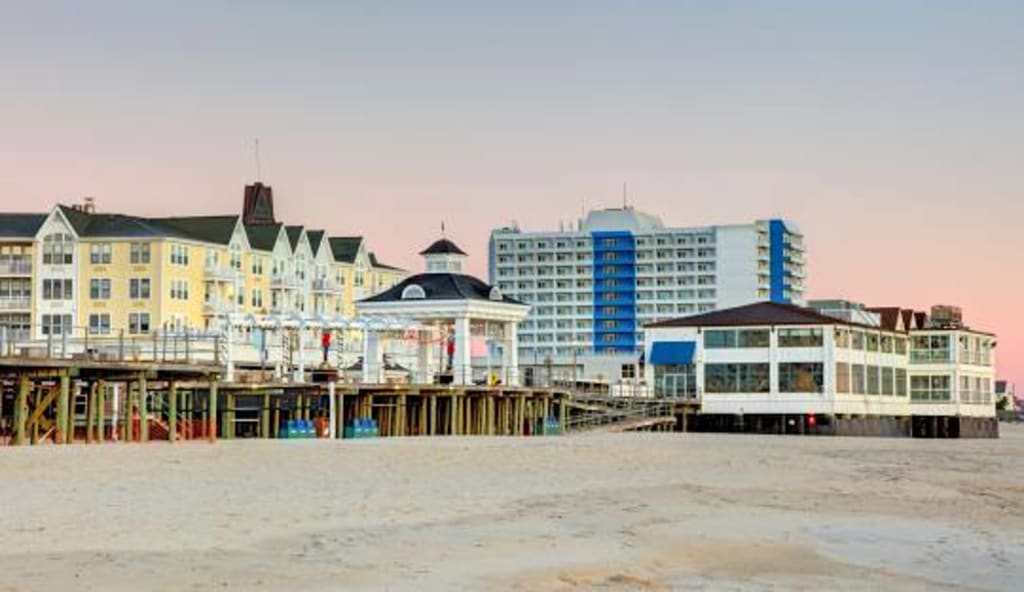
The community I live in is changing, not in the way many think. On the surface, it appears to be progress, new apartments, renovated homes, and rising property values. Outsiders view the Jersey Shore as a destination for summer fun, tourism, and economic growth. But behind those freshly painted walls and tourist attractions lies a truth too often ignored, my community is being gentrified.
Low-income doesn’t seem low-income anymore. While some families struggle to pay $1,200 a month, many living off government benefits, often single-parent households with two or more kids, face new units listed at $2,200 for a one-bedroom, nearly double what they can afford. Jobs are scarce, and opportunities feel limited. Even our local hospital is set to change under new plans, potentially making healthcare less “local” than it once was. On the surface, the area seems convenient, with supermarkets nearby and shops within walking distance, but young kids have more access to weed and other substances than to safe spaces or support, often able to get what they need from local convenience stores. When asked about community service, I realized I could barely name anything I’ve done in my own neighborhood, only in nearby communities. These changes are pushing out families and erasing the history and struggles that make this place real.
Behind the quiet streets and covered headlines are real people, people like Tristen, an 18-year-old boy shot and killed in front of his own home. The day after, we, the students, sat in classrooms, silent and confused, trying to understand how this could happen. There was no memorial, no assembly, no acknowledgment from the school that claims to care for its students. The same school whose motto is “Where Children Matter Most” stayed silent when one of its own was lost.
When someone labeled a “gang member” dies, it’s often shrugged off as another statistic. But no one takes the time to understand why people become who they are. Tristen wasn’t a gang member, he was a son, a friend, a boy who loved sports and music. He had dreams, laughter, and people who loved him. Initially, the community came together to support his family, raising funds, offering prayers, and showing solidarity. But that support faded quickly, replaced by silence and the daily grind, leaving the pain and grief to settle quietly. In a community where pain is normalized and the system ignores cries for help, young lives like his are cut short before they have a chance to flourish.
Then there’s Chrystpher Whyte, a wrestler, a graduate, a young man with his whole life ahead of him, shot at Pier Village just days before his 19th birthday. Another young life gone too soon. Another story that made headlines for a moment and then faded into silence. Headlines came and went, people judged and labeled, but few saw the real person behind the story. These tragedies don’t happen years apart for some families, they occur weeks apart, leaving the community reeling and struggling to process one loss before another hits.
And then there was the man who was stabbed right in front of Crown’s, a well-known chicken spot that’s been a go-to for locals for years. Crown’s isn’t just a place to eat, it’s where people stop after school, after games, or late nights out to feel part of the community. But that night, the familiar comfort turned into chaos. One of the two people responsible for the stabbing was born and raised in this community, showing how deeply the cycle of violence affects those who grew up here. Another tragedy happened right where people go to feel connected and safe. The story spread through whispers and social media, and then faded, no justice, no follow-up, just silence.
Growing up in Long Branch, you learn early which places to avoid. Everyone knows Garfield Court, Woodrow Wilson, Rockwell, Ellis, and Seaview. To outsiders, they’re “trouble spots,” but to the people who live there, they’re home. They’re where kids ride bikes, where families share food when money’s tight, and where neighbors look out for each other even when the rest of the world doesn’t. Those places hold memories, love, and pain, but society is quick to judge and forget them.
Some kids find a sense of safety and belonging through sports, where they feel like they matter. For a moment, the court, the field, or the track becomes a refuge from the struggles outside. But even then, the streets call their name, and the same troubles that haunt the neighborhood can catch up with them, sometimes ending it all too soon. Dreams are cut short, and potential is lost because the environment around them is unforgiving.
I grew up here, too. I’ve seen both sides of this community, the beauty and the brokenness. While my family struggled with money and I lived with my grandma and dad, I know I had it easier than many others. I had the better odds. I got what I wanted most of the time and barely had to worry about things the way others did. I recognize that privilege, and it makes me even more aware of the pain others face every day. I’ve watched friends fight battles that no teenager should ever have to face, trying to survive in a system that sees them as problems before people.
These are the stories people may have heard about, but they don’t know them. They don’t know the families still grieving, the students walking past empty desks, or the teachers who choose silence over compassion. The truth is, our community is hurting. And instead of addressing that pain, the focus is on profit, keeping up appearances for tourists rather than saving lives for those who live here year-round.
Some might argue that violence and tragedy are the community’s fault, that it’s “just another low-income neighborhood problem.” But that’s not true. Many young people are crying out for help. They need guidance, hope, and opportunity. They need schools that see them as more than data points or “problems.” They need adults who care enough to listen and act. Some just need a place to feel safe, a place to call home. When they can’t find that in their families, schools, or systems, the streets become their only refuge.
My community doesn’t need more silence or judgment. It needs understanding. It needs people willing to look beyond stereotypes and see the truth, behind every “headline” or “incident” is a human life that mattered. Gentrification may be changing how our town looks, but it’s also erasing the stories that made it real. And if we keep quiet, the truth will disappear with the people who once called this place home.
I write this not just as someone who grew up here, but as someone who has seen both the beauty and heartbreak of this community. I’ve witnessed friends and neighbors lose their lives too soon, and I’ve felt the fleeting hope when the community comes together, only to watch it fade. Growing up here often feels like the odds are stacked against you. It seems hard not to become a statistic when danger, neglect, and systemic barriers surround you. But I also see resilience. I see kids running to sports, music, and each other, seeking a place to belong. I see families and neighbors who refuse to give up, even when the system does. By telling these stories, by refusing to let them be silenced, we honor those who have been lost, support those still here, and push for a community that truly values its children over profit. These stories matter. Their lives matter. And it is up to us to make sure the world knows it.
About the Creator
Keep reading
More stories from writers in Writers and other communities.
Wild Card Weekend Recap: What Happens Now?
I think I figured out why I love Wild Card Weekend so much. It's because it's the first playoff anything of the calendar year. The NFL season starts in the fall, and once upon a time, the champion was crowned either on or slightly before New Year's. The evolution of the NFL schedule has resulted in the playoffs starting just into the New Year, and currently, the final week of the season falls on the first weekend of the New Year, with Wild Card Weekend coming a week after that. So yes, chronologically, the NFL's Wild Card Weekend serves as the first playoff anything of the calendar year.
By Clyde E. Dawkins6 days ago in Unbalanced




Comments
There are no comments for this story
Be the first to respond and start the conversation.