
5 Common Office Cleaning Mistakes and How to Avoid Them
Mistakes to avoid during Office Cleaning
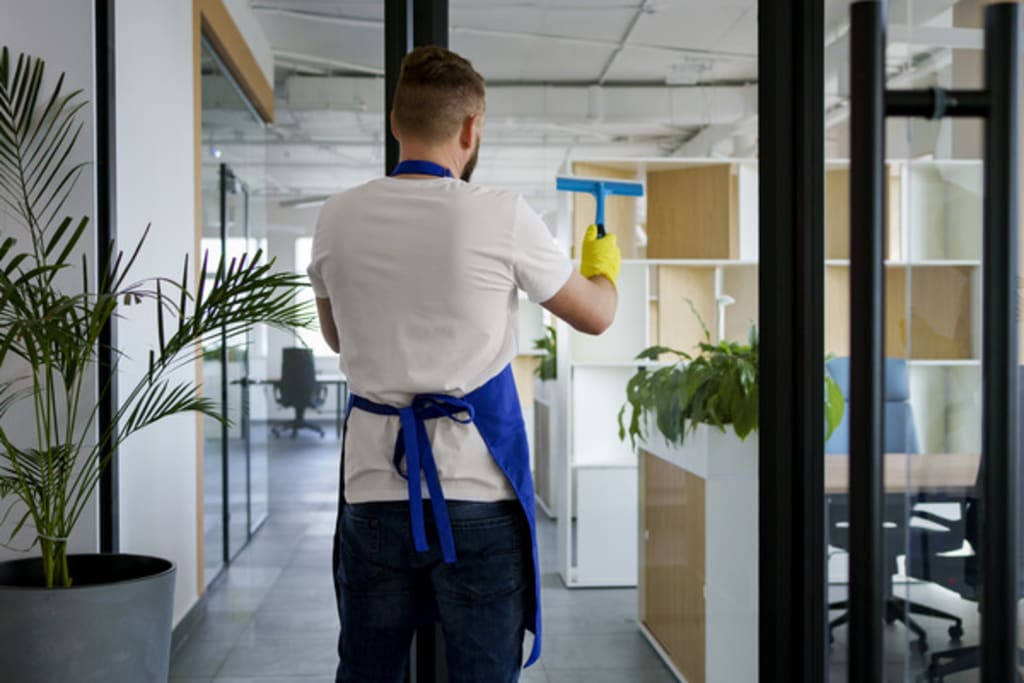
A clean and organized office is not just about appearance—it’s essential for employee health, productivity, and creating a professional image. However, even the best intentions can lead to mistakes in office cleaning routines. Here are five common office cleaning mistakes and practical solutions to avoid them.
1. Neglecting High-Touch Surfaces
Keyboards, light switches, door handles, and shared office equipment often go unnoticed during routine cleaning. These surfaces are among the dirtiest and can harbor bacteria and viruses, leading to the spread of illnesses.
How to Avoid It:
Create a checklist that prioritizes high-touch surfaces and ensure they’re cleaned and disinfected daily. Use safe and effective disinfectants, particularly for electronics, and educate employees about maintaining cleanliness for personal workspaces.
2. Using the Wrong Cleaning Products
Different materials in an office require specific cleaning solutions. Using the wrong products can result in damaged furniture, stained carpets, or ineffective cleaning.
How to Avoid It:
Choose cleaning agents designed for specific surfaces, such as glass cleaners for windows and mild solutions for delicate wooden furniture. For sustainability, consider eco-friendly options that are non-toxic and biodegradable. Always test a small area before applying a new product broadly.
3. Ignoring Air Quality
While visible surfaces may appear clean, poor air quality can pose hidden risks. Dust accumulation, unclean air filters, and lack of ventilation can lead to allergies and respiratory issues among employees.
How to Avoid It:
Regularly service HVAC systems and replace air filters as recommended. Use air purifiers to enhance air circulation and reduce pollutants. Adding indoor plants like snake plants or peace lilies can also naturally improve air quality.
4. Skipping Scheduled Deep Cleaning
Daily cleaning routines address surface-level dirt but fail to tackle deeper issues like grime, stains, and odors. Over time, this neglect can lead to unsightly carpets, dingy upholstery, and persistent smells.
How to Avoid It:
Schedule deep cleaning sessions every few months. These sessions should include carpet shampooing, upholstery cleaning, and thorough sanitization of hard-to-reach areas. Hiring professional cleaning services ensures these tasks are performed effectively.
5. Overlooking Employee Participation
Office cleanliness isn’t just the responsibility of the cleaning staff. When employees neglect to tidy up their desks or leave communal areas in disarray, maintaining a clean office becomes a challenge.
How to Avoid It:
Encourage employees to take ownership of their workspaces. Provide accessible cleaning supplies, like sanitizing wipes, and establish clear guidelines for shared spaces such as breakrooms and meeting areas. A team-oriented approach promotes cleanliness as a shared value.
Conclusion
Office cleaning is about more than aesthetics; it’s about creating a safe, productive, and pleasant work environment. By addressing these common mistakes—paying special attention to high-touch surfaces, choosing the right products, prioritizing air quality, scheduling deep cleans, and involving employees—you can ensure your office remains clean, healthy, and inviting.
Implementing these tips can save time, reduce costs, and foster a space where employees and clients feel comfortable. Remember, a clean office reflects a thriving business.
FAQs
1. How often should high-touch surfaces in an office be cleaned?
High-touch surfaces should be cleaned and disinfected daily to prevent germ transmission.
2. Are natural cleaning products effective for office use?
Yes, natural cleaning products like vinegar and essential oils can be effective and safer for the environment, though they may not replace all disinfectants.
3. What causes poor air quality in offices?
Poor air quality is often due to dust, unclean HVAC filters, lack of ventilation, and excessive use of synthetic materials or fragrances.
4. How frequently should offices schedule deep cleaning?
Deep cleaning should occur every three to six months, depending on the office’s size, foot traffic, and activities.
5. How can employees help maintain a clean office?
Employees can assist by keeping their desks tidy, cleaning up after themselves in shared areas, and following the office’s cleanliness policies.
About the Creator
Commercial Clean Group
Commercial cleaning is the process of cleaning and maintaining commercial buildings, such as offices, hospitals, schools, and retail stores. For further details visit our website.https://www.commercialclean.com.au/
Keep reading
More stories from Commercial Clean Group and writers in Writers and other communities.
10 Types of Commercial Cleaning Services Every Business Should Know
Maintaining a clean and professional workspace is essential for every business, as it contributes to employee health, boosts productivity, and creates a positive impression for clients. Understanding the types of commercial cleaning services available helps businesses choose the right options for their unique needs. In this blog, we’ll explore the ten most common types of commercial cleaning services that cater to diverse industries and requirements.
By Commercial Clean Groupabout a year ago in Serve
How Students Can Check Scholarship Status Without Missing Updates
For millions of students worldwide, scholarships play a critical role in continuing education without financial strain. However, receiving a scholarship is only the first step. One of the most common challenges students face afterward is tracking their scholarship status accurately and on time. Missed updates, incomplete information, or misunderstanding the process can result in delayed payments or even disqualification.
By Abbasi Publishera day ago in Writers




Comments
There are no comments for this story
Be the first to respond and start the conversation.