
Winterize Your Vehicle: Essential Tips for Cold Weather Operation
As temperatures drop, your vehicle faces new challenges that may impair performance and safety.

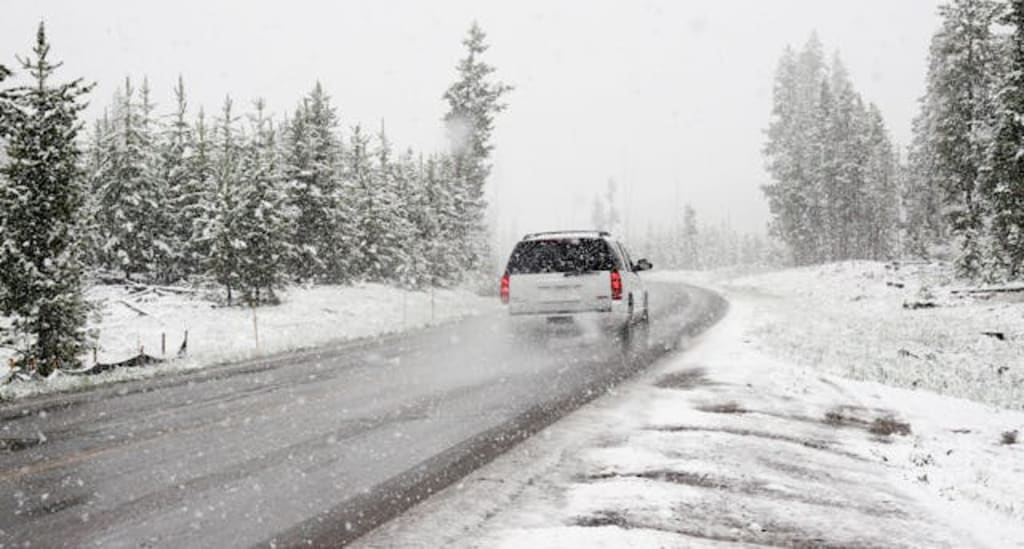
As temperatures drop, your vehicle faces new challenges that may impair performance and safety. Everything from engine efficiency to tire traction is affected by cold weather, hence, preparation is very necessary for seamless operation during winter. By being proactive in the protection of your vehicle, you will be sure it is ready for seasonal risks such as icy roads and frigid temperatures. Targeting important areas like the engine, fluids, and tires can help you maintain dependability and prevent expensive problems. Here's how to keep your vehicle winter-ready and running smoothly.
Protecting Your Engine with Proper Maintenance
Your engine works harder in cold conditions; hence, regular winter maintenance becomes essential. Extreme temperatures can thicken oil, lower battery performance, and tax the whole system. Begin by inspecting your oil and replacing it with a winter-grade option if necessary. Winter-grade oils guarantee your engine stays lubricated and performs well since they flow more easily in cold weather. Because cold temperatures lower battery capacity, check your battery for any indicators of damage, including corrosion or a weak charge. Ensuring a full charge and cleaning terminals helps to prevent unexpected breakdowns. Check your hoses and belts as well for wear or cracks; these parts are more likely to fail in cold conditions. Early engine maintenance helps your automobile run perfectly all winter.
Ensuring Tires Are Ready for Icy and Snowy Conditions
Maintaining the stability of your vehicle in winter road conditions depends critically on tires. Regular testing and changing tire pressure to the manufacturer's advised levels help to improve traction and handling since cold weather lowers tire pressure. Particularly on surfaces covered in ice or snow, low tire pressure can cause unequal wear and poor control. Winter tires are another important investment for maximum safety in cold weather. Their rubber compositions and specific tread patterns maintain grip and flexibility under frigid temperatures. To get the best performance, rotate your tires and check for enough tread depth. Proper tire maintenance reduces the possibility of skids or loss of control, therefore ensuring your and others' road safety.
Winterizing Fuel Systems to Prevent Freezing Issues
Particularly in diesel engines, where fuel can gel in low temperatures, cold weather influences fuel systems. Using a product like a diesel treat avoids this problem by improving fuel flow and protecting against gelling. These treatments ensure diesel stays useful even in extremely cold temperatures by lowering its freezing point. Maintaining a minimum half-full tank and routinely checking fuel filters also help prevent moisture from forming and freezing. Blockages and engine problems can result from fuel line condensation. No matter how cold it gets outside, your car will start and run smoothly if you take care of these possible issues in advance.
Preparing Windshield and Wiper Systems for Visibility
In winter, when fog, snow, and ice can all obscure your view, clear visibility is absolutely vital. Start by substituting winter-specific wiper blades meant to manage significant snow and ice accumulation for old ones. These blades are more durable and provide better performance in challenging conditions. To prevent freezing and ensure effective cleaning, fill your windshield washer reservoir with antifreeze washer fluid. Clearing frost from your windshield and glass also depends on scraper tools and de-icing sprays. Maintaining optimal condition on your wipers and windshield will help you to see well and respond quickly to any road hazards, thus increasing your overall safety.
Safeguarding Interior Comfort and Safety Features
The interior of your vehicle also requires attention in order to provide a comfortable and safe driving experience in cold weather. Check your heating system to be sure it offers enough defrosting capability and warmth. While keeping you comfortable on the road, a completely working heater and defroster prevent fogging or freezing of your windshield. To make sure they are prepared for winter conditions, check safety features like seat belts, airbags, and emergency supplies. Stock your vehicle with essentials, including blankets, flashlights, and a first-aid kit for unanticipated events. You can manage winter emergencies with confidence and preparedness if you make these preparations.
Conclusion
Winterizing your vehicle is a promise of safety, performance, and peace of mind, not only a seasonal task. Reliable operation in the worst conditions depends on you safeguarding your engine, preparing your tires, and addressing the effects of cold weather on fuel systems. Maintaining visibility and protecting your interior comfort can further improve your winter driving experience. With the right steps, your vehicle will remain ready to handle freezing temperatures and icy roads, allowing you to focus on the journey ahead confidently.
About the Creator
Keep reading
More stories from Miranda Spears and writers in Wheel and other communities.
The Ultimate Gift Guide for Car Enthusiasts
Choosing the ideal present for a car lover calls for knowledge of the special link between drivers and their cars. From individuals who value the mechanical features of cars to others who honor driving culture through artifacts and experiences, automotive enthusiasm takes many different shapes. This article helps you negotiate the large terrain of possibilities to discover something really significant for the automobile enthusiast in your life by investigating gift categories that appeal to many facets of automotive culture.
By Miranda Spears11 months ago in Wheel
Self-Driving Cars
If you watched the 2004 Will Smith film ‘I Robot’, you’ll know that a minor plot point is that cars in this future are, by default, self-driving. They can still be driven manually, but this is considered a risky choice which only Smith’s character chooses to do, due to being a fan of such ‘retro’ choices. When his car is wrecked during an attack late in the film, his boss assumes that he crashed due to driving manually (the one time in the film he actually wasn’t). At the time of the film’s release, self-driving cars must have seemed hugely futuristic to help to sell the future setting.
By Joe Morganabout 3 hours ago in Wheel
Why Elon Musk Keeps Cutting Tesla Prices And What It Means For The Future Of EVs
The discounts keep coming, the stock keeps shaking, and the EV future suddenly feels a lot less predictable I remember the first time I realized Tesla had quietly dropped the price of a car I’d been obsessively speccing out.
By abualyaanart6 days ago in Wheel
Tatt~Master
— Assembly Line Tatt Machine ~ Impressions to Impress — As I begin to understand more about the Tattoo Phenomenon. I've written silly, yet verbatim, dating site anecdotes in 'Frazzled.' So let me ask you: Would you be More attracted to someone slathered with tattoos, or Less?
By Jay Kantor3 days ago in Humor



Comments
There are no comments for this story
Be the first to respond and start the conversation.