
Why Proper Wheel Fitment is Important For BMW?
Proper Wheel Fitment is Important For BMW

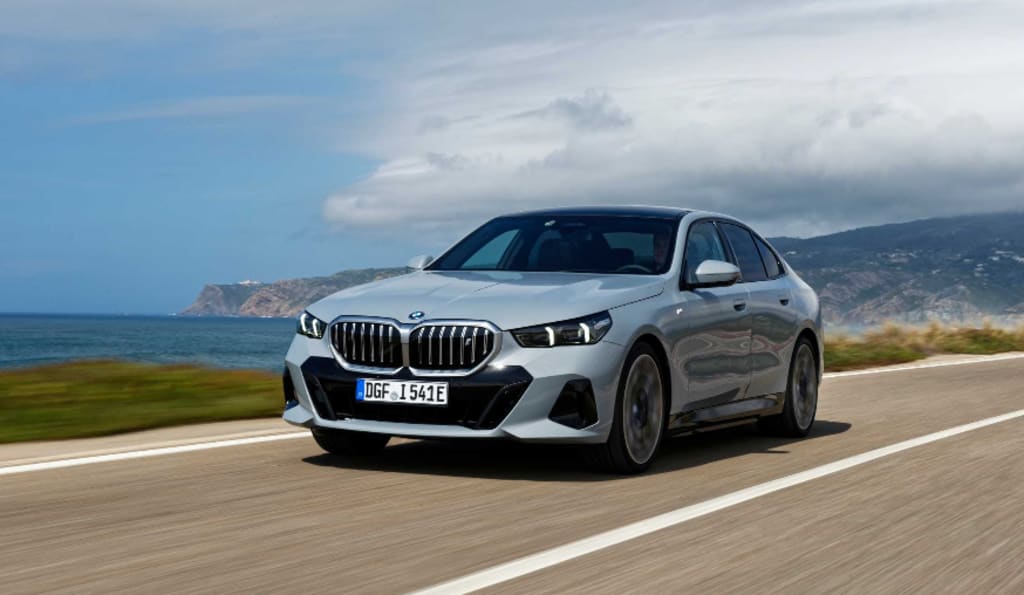
When it comes to BMWs, proper wheel fitment is essential for both performance and safety. Choosing the right wheels ensures that your vehicle performs optimally, looks great, and maintains its longevity. Incorrect wheel fitment can lead to various issues, including poor handling, tire wear, and even potential safety risks. Let’s explore why getting the right fitment matters for your BMW.
1. Understanding BMW Wheel Fitment
Wheel fitment involves a combination of factors such as the wheel size, offset, bolt pattern, and hub bore. Each of these components plays a crucial role in ensuring your BMW’s wheels are correctly aligned, both for functional performance and aesthetic appeal.
The wheel size refers to the diameter and width of the wheel. For BMWs, the size typically ranges from 16 inches to 22 inches in diameter, depending on the model and year. The offset is the distance between the wheel’s centerline and the hub mounting surface. BMWs generally have an offset range of +20mm to +45mm, with the correct range ensuring that the wheels sit properly in the wheel well for optimal performance. The bolt pattern usually follows a 5x120mm configuration for most BMW models, and choosing the right bolt pattern is critical for securing the wheels safely.
Lastly, the hub bore is the center hole of the wheel, and it must match the hub of the BMW to ensure a perfect fit. For many BMWs, the hub bore is 72.56mm, though it can vary slightly depending on the specific model.
2. Impact on Vehicle Performance
Proper BMW wheel fitment directly impacts the vehicle’s performance, including handling, steering, and overall ride comfort. When the wheel size, offset, or bolt pattern is off, it can cause the car to pull to one side, reduce traction, and impact steering precision. A wheel that’s too wide or has an incorrect offset can lead to rubbing against the fenders or suspension components, damaging both the wheel and the car.
The correct BMW wheel fitment ensures the car handles as intended, with better grip on the road and smoother transitions during sharp turns or acceleration. A properly fitted wheel allows for optimal tire contact with the road, which can improve braking distances and overall stability, especially in high-performance models.
3. Safety Concerns
Safety is a primary concern when it comes to wheel fitment. Incorrectly fitted wheels can cause serious issues like uneven tire wear, which in turn affects traction. This can compromise vehicle stability and increase the risk of accidents, particularly during sudden maneuvers or adverse weather conditions. Additionally, improper fitment can lead to wheel damage or even failure under stress.
When selecting aftermarket rims, it’s important to check that all specifications, including offset, bolt pattern, and hub bore, are compatible with your BMW. A mismatch can place undue stress on suspension components, leading to costly repairs and safety hazards. Always prioritize safety by ensuring that the wheels you choose are not only aesthetically pleasing but also functionally sound.
4. Aesthetic Considerations
BMW owners are often passionate about the look of their vehicle, and wheels are one of the most noticeable features of a car. The right wheel fitment can enhance the car’s stance, giving it a more aggressive or sporty appearance. It’s important to choose wheels that are in harmony with the overall design of your BMW.
The right size, offset, and finish can transform your car’s look without sacrificing performance or safety. For example, a wider wheel with a lower offset can give the car a more muscular appearance, while also improving the handling characteristics, if done correctly. Aesthetic appeal is subjective, but ensuring the wheels sit properly within the wheel wells is crucial for maintaining both the car’s beauty and functionality.
5. Long-Term Benefits of Correct Fitment
Getting the correct wheel fitment for your BMW is not only about performance and looks but also about long-term savings. Properly fitted wheels and tires last longer, which reduces the need for premature replacements. Correct fitment minimizes the risk of uneven tire wear, which can be expensive and time-consuming to fix.
Additionally, correctly sized wheels can contribute to better fuel efficiency, as they ensure the tires roll smoothly without unnecessary friction or drag. By investing in the right BMW wheel fitment, you can reduce maintenance costs over time and enjoy a smoother, quieter ride.
6. How to Ensure Proper Wheel Fitment
To ensure that you’re getting the right BMW wheel fitment, it’s essential to do thorough research and consult professionals when needed. Use fitment guides to verify the appropriate wheel size, offset, and bolt pattern for your specific model. Many online resources and aftermarket wheel retailers offer tools that can help match the right wheels to your BMW.
Consulting with experts is also a good idea, as they can help you avoid making mistakes that could affect your car’s handling or safety. Whether you’re looking for aftermarket rims or replacement wheels, make sure they meet all the necessary specifications to fit your BMW perfectly.
Conclusion
Proper BMW wheel fitment is a crucial factor in ensuring your vehicle runs smoothly, performs well, and stays safe on the road. Whether you’re upgrading to aftermarket rims or replacing existing wheels, paying attention to the right wheel size, offset, bolt pattern, and hub bore can prevent costly mistakes and enhance your BMW’s performance and appearance. Take the time to select the proper fitment and enjoy the benefits for years to come.
About the Creator
Keep reading
More stories from Lucie Loves and writers in Wheel and other communities.
How to Measure Wheel Offset?
What Is Wheel Offset? Wheel offset is a crucial specification that determines how your wheels sit in relation to the vehicle's suspension and fender. It’s essentially the distance between the wheel’s mounting surface and its centerline. There are three main types of offset: positive, negative, and zero offset. A positive offset places the wheel closer to the vehicle's body, commonly found in modern cars. Negative offset, on the other hand, pushes the wheel outward, creating a more aggressive stance, which is popular in trucks and off-road vehicles. Zero offset means the mounting surface aligns perfectly with the wheel’s centerline.
By Lucie Lovesabout a year ago in Wheel
The Lunar Check-In: Engineering the First Five-Star Stay in the Stars
The silent, silver plains of the Moon—once the exclusive playground of Cold War pioneers and robotic rovers—are about to get a lot more hospitable. We aren’t just talking about research outposts or "survival pods" anymore. We are talking about high-thread-count sheets, panoramic views of the "Earth-rise," and the logistical miracle of hospitality at 1/6th gravity. The dream of the Lunar Hotel is no longer confined to the pages of 1950s pulp fiction; it is currently being drafted on the CAD programs of the world’s most ambitious aerospace firms.
By yusuf selho5 days ago in Wheel



Comments
There are no comments for this story
Be the first to respond and start the conversation.