
Why Larger Vehicles May Require a Bigger Shipping Budget
When Size Matters: What to Expect in Shipping Costs

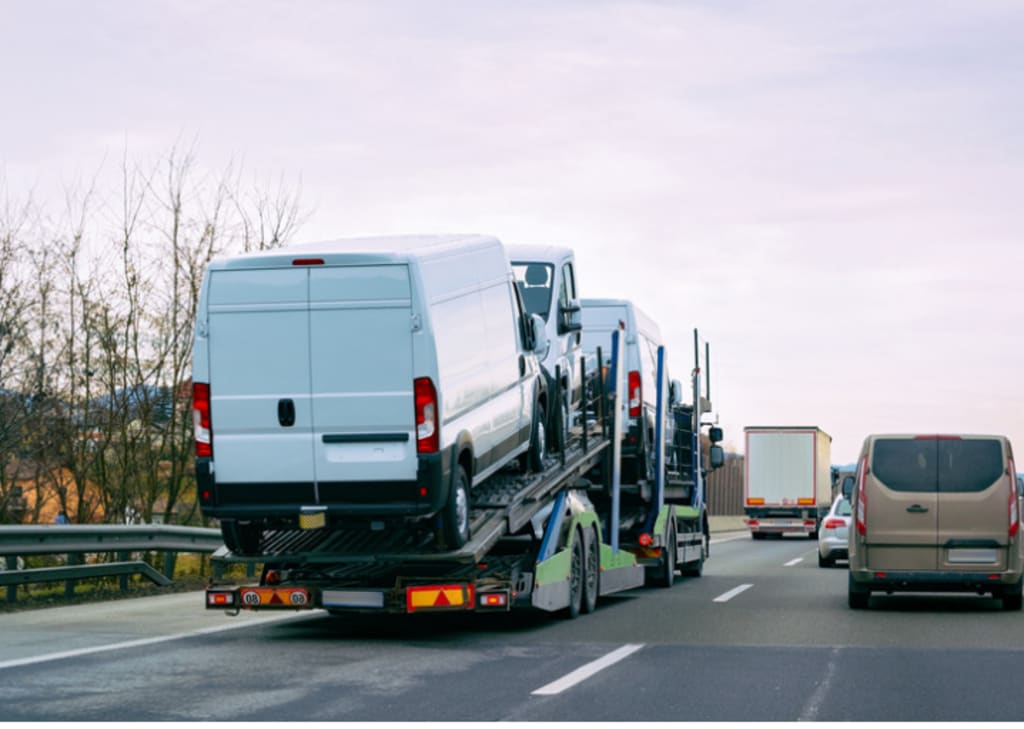
The truth is, the size of your vehicle plays a huge role in the total cost of car shipping, and it’s not just because bigger means more metal. From logistical challenges to safety considerations, there are several reasons why your road warrior might cost more to transport than a zippy little coupe. So let’s pop the hood and dive into what really drives up the shipping tab for larger vehicles.
If you've ever tried to ship a vehicle across the country, you've likely come across the term cost of car transport and maybe even scratched your head over the pricing breakdown. You might think shipping a vehicle is a one-size-fits-all deal, like mailing a letter, but with wheels. But once you throw a large SUV or a lifted truck into the mix, things get a lot more... heavyweight. Literally.
The Weight Game: Heavier Rides, Heftier Costs
One of the biggest—and heaviest—factors in car shipping prices is the weight of the vehicle. Shipping carriers have weight limits, just like elevators or roller coasters, and exceeding them isn’t just frowned upon, it’s regulated.
A typical sedan weighs around 3,000 to 3,500 pounds. In contrast, a full-size SUV can weigh upwards of 6,000 pounds. The Ford Expedition, for example, tips the scales at just over 5,500 pounds without passengers or cargo. When you start looking at extended cab trucks or commercial vans, those numbers only climb.
Heavier vehicles put more strain on the transport trailer, affect fuel efficiency, and may even require special permits if the overall trailer load exceeds certain highway weight limits. More weight also means fewer vehicles can be loaded per trip, reducing efficiency for carriers and boosting costs for the customer.
Size Really Does Matter (In Transport, Anyway)
Beyond weight, the physical size of your vehicle—its length, width, and height—affects how easily it fits on a car carrier. A standard open-air carrier can usually accommodate 7 to 9 average-sized cars. But throw a lifted truck or a sprinter van into that mix, and suddenly the trailer’s Tetris game gets a lot more complicated.
A Honda Civic is about 14.7 feet long. Compare that to a Chevrolet Suburban, which stretches over 18.5 feet. That’s nearly four extra feet that can bump another compact car off the trailer entirely. Extra-long or wide vehicles take up more space, reducing the number of cars a transporter can move in a single trip. Less cargo means higher cost per vehicle to keep the trip profitable.
Tall vehicles can also cause headaches—literally. Car carriers often have vertical clearance limits, and vehicles over 7 feet tall might not even fit on a standard trailer. In some cases, they require flatbed shipping or specialty carriers, which come at a premium.
Special Equipment and Custom Handling
Bigger cars often mean bigger loading challenges. If your vehicle is oversized or modified—think lifted suspension or extra-wide tires—it might not be able to drive onto a regular trailer without scraping the bottom or sides. This is especially true for low-clearance sports trucks or luxury SUVs with body kits.
These scenarios may require specialized equipment like hydraulic lifts or low-angle ramps. Additionally, custom strapping and padding might be needed to ensure a secure ride. It’s like giving your car a VIP experience, but it also means more work for the hauler, which gets reflected in your invoice.
In fact, according to industry data, oversized vehicle shipments require, on average, 20–30% more labor time than standard vehicles. That extra time and effort inevitably play into the overall cost of car transport.
Fuel Economy and Transport Route Efficiency
It’s not just the physical size and weight—big vehicles also eat into fuel economy. A heavier transport load requires more fuel to move, and with rising diesel costs, carriers have to factor this into their pricing models.
Larger vehicles can also complicate route planning. Some residential neighborhoods or rural roads aren't friendly to large transport trucks carrying oversized loads. This could mean additional detours, extra mileage, or arranging off-site pickup and drop-off points to avoid tricky access routes. All these detours add both time and logistical complexity to the car shipping process.
According to the U.S. Department of Transportation, logistics-related inefficiencies can increase transportation time by as much as 15% when oversized or heavy loads are involved. That’s not only time-consuming but also budget-blowing for both carriers and customers.
Demand, Supply, and the Big-Vehicle Dilemma
Here’s something most people don’t think about: the supply of transporters who are equipped and willing to ship oversized vehicles is smaller than you’d expect. Fewer carriers have the ability to handle extra-large vehicles safely, and those who do are often in higher demand.
This skewed supply-demand ratio can raise the cost of car shipping, especially if you’re trying to book during a busy season like summer or around major holidays when people tend to relocate or go on extended vacations. In essence, your large vehicle is competing for limited space, and when space is scarce, prices rise.
Final Drive: What Can You Do?
So what does all this mean if you’re trying to ship a large vehicle? First off, it’s important to be transparent about your car’s dimensions and any modifications when requesting a shipping quote. Accurate details ensure you get a realistic estimate and avoid surprise charges later.
It’s also smart to plan ahead. Because shipping larger vehicles requires more coordination, giving carriers extra time can help them bundle your shipment with others or route it more efficiently. Flexibility can sometimes save you a few bucks, even when your car weighs as much as a small elephant.
And finally, understanding the "why" behind the cost of car transport helps you become a better-informed customer. It’s not just about the size of your ride—it’s about everything that goes into safely, legally, and efficiently getting it from Point A to Point B.
Wrap-Up: Bigger Isn’t Always Better for Shipping Budgets
Large vehicles are awesome on the road—spacious, powerful, and ready for adventure. But when it comes time to ship them, those same attributes can make them a bit more of a handful. From their physical footprint to the impact on logistics, it's clear why bigger cars often come with a bigger price tag when it comes to transport.
By understanding what factors into the cost of car shipping, you can plan smarter and maybe even dodge a few unexpected expenses along the way. Whether you’re moving across state lines or sending your oversized vehicle cross-country, being informed is your best travel buddy.
And hey, at least your SUV won’t complain about legroom.
About the Creator
Virginia Gray
Virginia has been a writer for more than 10 years with a passion for crafting compelling stories. Whether weaving fiction or exploring real-world themes, Virginia brings creativity and depth to every piece.
Keep reading
More stories from Virginia Gray and writers in Wheel and other communities.
Hidden Costs in Car Shipping You Should Be Aware
Shipping a car is often the best option when moving to a new city or purchasing a vehicle from a different state. While most people focus on the initial quote provided by car shipping companies, there are often hidden costs that can catch you by surprise. Knowing these costs in advance can help you avoid unexpected charges and stay within your budget. This article will explore the hidden costs you should be aware of when calculating the true car shipping cost.
By Virginia Grayabout a year ago in Wheel




Comments
There are no comments for this story
Be the first to respond and start the conversation.