
Why Does Your Audi Keep Losing Coolant? Common Causes and Solutions
Audi Keep Losing Coolant

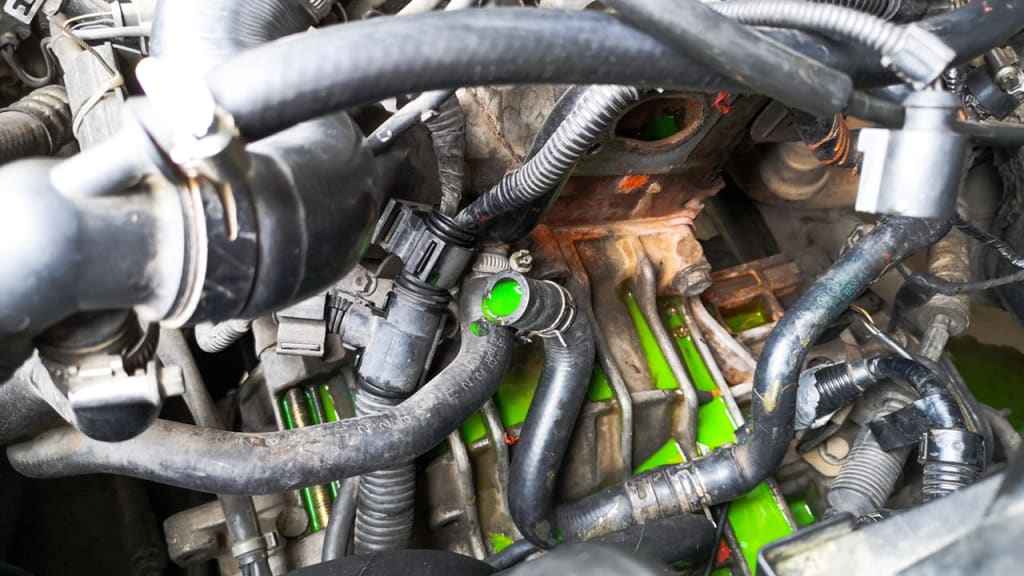
If you're an Audi owner, you know that keeping your vehicle in top condition requires regular maintenance and prompt attention to any issues that arise. One of the most concerning problems you may encounter is coolant loss. Coolant plays a crucial role in regulating your engine's temperature, preventing overheating, and ensuring optimal performance. If your Audi keeps losing coolant, it’s important to understand the potential causes and address them quickly to avoid engine damage. Below, we explore common reasons for coolant loss in Audi vehicles and provide expert solutions to resolve the issue.
1. Coolant Leaks
One of the most frequent causes of coolant loss in Audi vehicles is a leak in the cooling system. Coolant leaks can occur in several parts of the system, including the radiator, hoses, water pump, and even the engine block. A visual inspection of the engine bay can sometimes reveal signs of coolant leakage, such as puddles of coolant on the ground or stains around hoses and radiator connections.
Solution:
If you suspect a coolant leak, have your Audi inspected by a professional mechanic who can perform a pressure test to identify the source of the leak. The solution may involve replacing worn-out hoses, seals, or gaskets. In more serious cases, a cracked radiator or engine block may need to be replaced.
2. Faulty Radiator Cap
The radiator cap is designed to maintain pressure in the cooling system, which helps prevent coolant from boiling over. If the radiator cap becomes faulty, it can cause coolant to escape through the overflow or evaporate due to a loss of pressure.
Solution:
A simple yet effective solution is to replace the faulty radiator cap. Make sure to use a high-quality replacement part that is compatible with your Audi’s cooling system specifications. A new cap will restore the proper pressure and prevent further coolant loss.
3. Water Pump Failure
The water pump is a key component in circulating coolant throughout the engine and cooling system. Over time, the water pump may wear out, causing it to leak or fail entirely. If the water pump is malfunctioning, it can result in a loss of coolant and lead to engine overheating.
Solution:
If your water pump is the source of the coolant loss, it will need to be replaced. A mechanic will typically check for leaks around the pump and inspect the pump’s operation during a cooling system diagnostic. Replacing the water pump promptly is essential to prevent severe engine damage.
4. Head Gasket Failure
The head gasket seals the engine block and cylinder head, keeping coolant from leaking into the engine's combustion chambers. A blown or damaged head gasket can result in coolant entering the engine or mixing with oil, which can lead to a significant loss of coolant.
Solution:
A failed head gasket is a serious issue that requires immediate attention. Symptoms of a blown head gasket include white smoke from the exhaust, engine misfires, or oil contamination. If a head gasket failure is diagnosed, the repair process can be labor-intensive and costly, often requiring a complete engine teardown. Early detection and repair are critical to avoid further damage to the engine.
5. Cracked or Damaged Engine Block
In rare cases, a crack in the engine block can cause coolant to leak. This is usually the result of severe overheating or prolonged engine stress. A cracked engine block can lead to major coolant loss and may cause the engine to overheat, potentially leading to catastrophic engine failure if not addressed promptly.
Solution:
A cracked engine block is a serious problem that requires a professional evaluation. In some cases, the engine block may need to be replaced, which is a costly and complex repair. If you notice signs of overheating or significant coolant loss, it’s important to have your Audi assessed immediately to avoid further damage.
6. Evaporative Coolant Loss
In some cases, coolant can slowly evaporate over time, especially if the system is not holding pressure properly. This can occur if the system is not completely sealed, such as in the case of a leaking hose or radiator cap. While this type of coolant loss may be gradual, it still requires attention.
Solution:
Regularly check the coolant levels and monitor for any noticeable drops. If you notice a slow decline in coolant levels, it’s best to have your Audi inspected to check for minor leaks or other small issues that might be allowing coolant to evaporate.
7. Clogged or Dirty Radiator
A clogged or dirty radiator can cause the coolant to circulate inefficiently, potentially leading to coolant loss as the engine may overheat. Dirt, debris, and mineral deposits can build up inside the radiator, obstructing proper coolant flow and preventing the system from functioning optimally.
Solution:
Radiators should be flushed periodically to remove any buildup of debris or deposits. If the radiator is clogged or severely corroded, it may need to be cleaned or replaced. Regular maintenance, including coolant flushes, will help keep the cooling system in good condition and prevent coolant loss.
Conclusion
Coolant loss in your Audi can occur for a variety of reasons, from simple issues like a faulty radiator cap to more serious problems such as a blown head gasket or a cracked engine block. Identifying the source of the coolant loss early is essential for preventing engine damage and ensuring your vehicle continues to perform at its best. If you notice any signs of coolant loss, such as low coolant levels, overheating, or puddles under your car, it’s crucial to seek professional assistance promptly. Regular maintenance and timely repairs will help maintain the health of your Audi and keep you on the road with peace of mind.
About the Creator
Peak Auto
Peak Auto is one of the most sought-after luxury auto repair and maintenance facility located in Apex, NC. We are having years of experience in looking after high-end European, Asian, and Domestic cars.
The Key Reasons Why Businesses Use Professional Couriers To Handle Their Deliveries
In an era where speed, reliability, and customer experience can make or break a company, delivery is no longer just a back-end operational task. For many businesses, it’s a critical touchpoint that directly affects brand perception, customer satisfaction, and long-term growth. That’s why an increasing number of companies—ranging from small local shops to large enterprises—choose to work with professional courier services rather than handling deliveries themselves.
By Alexander Belsey3 days ago in Wheel



Comments
There are no comments for this story
Be the first to respond and start the conversation.