
Wheel Alignment vs. Wheel Balancing: What You Need to Know
Learn about wheel alignment and wheel balancing. Know when to get wheel alignment or tire balancing services and how they make your ride better.

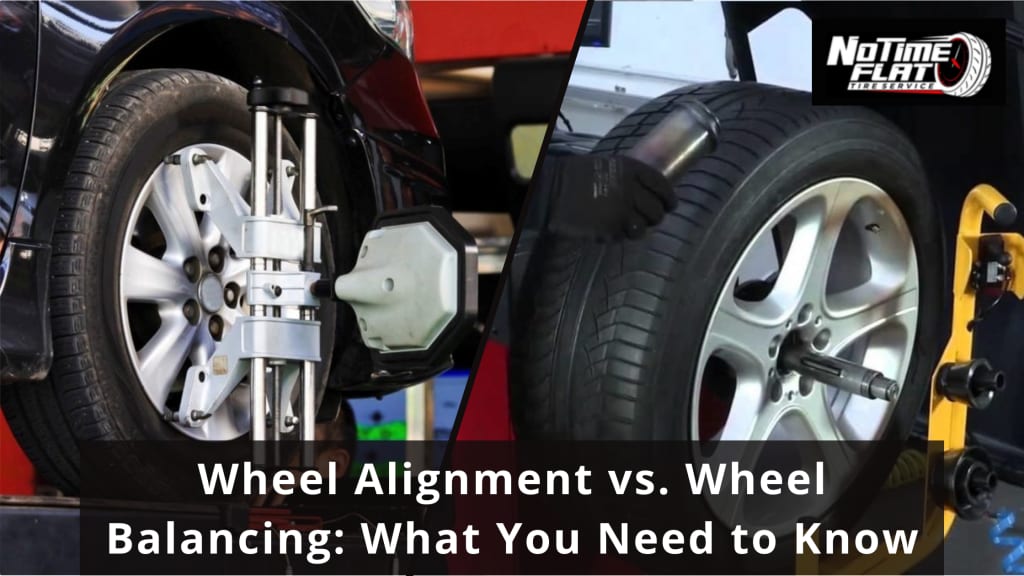
Just like a well-oiled machine, the parts of your car need to work together efficiently. But when your wheels are out of sync, it can cause trouble. Incorrect wheel alignment and wheel balancing can damage your suspension and tires, leading to bumpy rides and costly repairs. That's where the best wheel alignment services or the ideal tire balancing services are considered. So, wheel alignment vs balancing, which one do you need? Keep reading the blog post to know the basics and how often wheel alignment and balancing are required. You'll enjoy a smoother and safer ride by getting your wheels aligned and balanced. No more uneven tire wear, say yes to a longer-lasting and more comfortable journey. Be ready to hit the road confidently and leave those wheel woes behind!
The Meaning of Wheel Alignment
Have you ever wondered what wheel alignment really means? In simple terms, the wheel alignment solution ensures your car's wheels are properly positioned and in sync with the road. A skilled wheel alignment mechanic will adjust the angles at which your tires meet the pavement.
They'll check 3 essential factors: camber, toe, and caster. Camber basically refers to the tilt of the tire, toe is the inward or outward turning of the wheels, and caster affects steering and stability. By getting your wheels aligned, you'll enjoy better handling, improved tire wear, and a smoother ride.
The Causes of Improper Wheel Alignment
Improper wheel alignment is a common issue caused by sudden impacts while driving at high speeds. When road conditions are less than perfect, encountering potholes and bumps at speed is a regular occurrence. These incidents can throw your wheels out of alignment.
Even small collisions that don't cause visible damage, such as hitting curbs or objects on the road, can also lead to improper wheel alignment. Don't ignore the impact of these circumstances and get the best wheel alignment services ASAP!
The Sure Signs of Incorrect Wheel Alignment
Improper wheel alignment may not always be visible, but it can have a major impact on your vehicle's performance and overall health. Pay attention to these common symptoms:
- Your car pulling to one side: If your car pulls on one side when driving on a flat surface, it's a clear sign of improper alignment.
- Vibrating steering wheel: Do you feel vibrations in your steering wheel, especially at higher speeds? That's another indicative sign that your wheel alignment is disturbed.
- Uneven tire wear: Improper alignment can cause your tires to wear unevenly. Keep an eye out for off-center tire wear (either inward or outward) as it can indicate a caster misalignment.
When Should You Get a Wheel Alignment?
Timing is everything!
If your car's steering seems to pull in one direction, either towards the center of the road or the curb while driving, it may be a sign that your wheels need alignment.
Other possible causes of steering pulling in one direction include brakes being out of adjustment or uneven tire pressures. It's always recommended to have your wheel alignment checked at least once a year, even if you don't notice any issues.
Regular alignment checks done by a tire services expert can help catch potential problems early and prevent excessive tire wear. Additionally, consider getting a wheel alignment if you experience any of the following:
- After hitting potholes, curbs or any other road hazards that may affect alignment.
- If you notice even a slight effect like uneven tire wear or your car might be pulling to one side.
- If you've had suspension or steering repairs done on your car.
Keep in mind that these are general recommendations, and the ideal schedule may vary depending on your specific driving conditions and vehicle type.
Stay proactive and keep your wheels aligned for a smoother and safer ride.
What Do You Mean by Wheel Balancing?
Wheel balancing is important in ensuring a smooth and safe driving experience for your car. While often confused with wheel alignment, they are separate processes. Wheel or say tire balancing focuses explicitly on addressing weight imbalances in the wheel and tire combination. It helps maintain stability and prevents vibrations while driving. So what to choose: wheel balancing vs alignment? Although wheel balancing is commonly performed alongside wheel alignment, they serve different purposes. Modern wheel balancer machines are used off the car to calculate both dynamic and static balance simultaneously. To tackle any imbalances, it's recommended to have all four wheels balanced.
What are the Signs that My Wheels Need Balancing?
Several signs can indicate that your wheels require balancing. Keep an eye out for the following:
- Steering wheel vibrations: If you experience vibrations in the steering wheel or feel them through the vehicle's floor, it may be a sign that your wheels need balancing.
- Excessive tire wear: Imbalanced wheels can lead to uneven tire wear. If your car tires are wearing down more quickly or unevenly, it could be a sign of imbalanced wheels.
- Wobbling at higher speeds: Another indicator of imbalanced wheels is a wobbling sensation, especially when driving at higher speeds. If you feel your car shaking or vibrating, it's a good idea to have your wheels checked for balancing.
How Often Should You Balance Your Wheels?
It's recommended to have your wheels balanced whenever you install new tires or if you notice any vibrations or wobbling while driving. For vehicles equipped with alloy wheels, it's generally advised to get tire balancing service every 5,000 to 7,000 kilometers (3,000 to 4,000 miles) or during regular tire rotations.
To ensure optimal performance and safety, consider taking advantage of wheel balancing and alignment checks offered by authorized mobile tire shop, such as No Time Flat, when you purchase new car tires. They can help keep your wheels balanced and your journeys smooth.
The Benefits of Regular Wheel Alignment and Balancing
Regular wheel alignment and balancing are important maintenance practices that benefit your vehicle and driving experience. By keeping your wheels properly aligned and balanced, you can enjoy the following advantages:
- Increased Tire Life: Proper wheel alignment ensures even tire wear by extending the lifespan of your tires and maximizing their value. It saves you money by avoiding premature tire replacements.
- Fuel Efficiency: Correct alignment reduces rolling resistance, allowing your vehicle to work more efficiently and consume less fuel. This leads to improved fuel efficiency and long-term cost savings.
- Smoother and Safer Ride: Properly aligned and balanced wheels provide a smoother and more comfortable driving experience. You'll notice reduced vibrations and less pulling to one side, which improves your vehicle's handling and control.
- Better Handling and Stability: Wheel balancing ensures that each tire has an equal weight distribution, preventing vibrations and wobbling at higher speeds. It results in better stability and handling, allowing you to maintain control of your vehicle during cornering and braking maneuvers.
- Reduces Mechanical Stress: Misaligned wheels can place unnecessary stress on various vehicle components, including the suspension and steering parts. Regular wheel alignment reduces this stress, resulting in fewer repairs and longer-lasting components.
- Prevention of Uneven Tire Wear: Wheel balancing distributes weight evenly among all tires, preventing uneven wear patterns. It eliminates the need for premature tire replacements caused by uneven wear on individual tires.
- Less Vibrations and Noise: Proper wheel balancing eliminates annoying vibrations and noise when your tires are not balanced correctly. It results in a smoother and quieter ride thereby improving your overall driving comfort.
- A Low Cost Maintenance: While investing in regular wheel alignment and balancing may seem like an extra cost, it can save you money in the long run. The benefits of improved tire life, improved fuel efficiency, and reduced repair costs outweigh the initial investment.
So, there is nothing such like you need wheel alignment vs balancing. By prioritizing both: regular wheel alignment and balancing, you can extend the life of your car tires, improve fuel efficiency, improve your driving experience, and ensure the long-term performance as well as safety of your vehicle.
Get a Better Ride with Both—Wheel Alignment and Balancing!
Wheel alignment and balancing are often confused as the same process, but they affect your vehicle's ride and handling differently. A wheel out of balance causes vibrations, while a wheel out of alignment leads to excessive tire wear and steering issues.
Wheel alignment involves adjusting the wheel angles to be perpendicular to the ground and parallel to each other, maximizing tire lifespan, and ensuring a straight tracking vehicle. Wheel balancing minimizes tire bounce, providing a smoother ride, improving traction and steering control, and extending tire life by preventing cupped wear patterns.
When you need a wheel balance or alignment during your next car service, trust No Time Flat, the best tire repair shop. Their knowledge and expertise in both procedures will optimize your ride, ensuring a smoother and safer driving experience.
About the Creator
No Time Flat
Top-notch tire services and quality tires at No Time Flat in Jenison, MI. Whether you need tire installations, repairs, or maintenance, we've got you covered.
Keep reading
More stories from No Time Flat and writers in Wheel and other communities.
All-Terrain vs. Highway Tires: Choosing the Right Option
Buying a new set of tires is not so simple anymore when you have a lot of options to consider. With all-terrain, highway, performance, winter, mud, and more, it can be hard to know which ones are best for your vehicle. In this blog post, we'll discuss the all-terrain vs. highway tires and break down the factors you should consider when making your decision. From durability to tread design, we'll learn the differences between these tire types, ensuring you choose the right option for your driving needs.
By No Time Flat2 years ago in Wheel
The Ultimate Checklist Before Selling Your Car to a Wrecker
If your car has reached the end of its life or has serious damage, selling it to a wrecker can be a fast and convenient solution. Many car owners assume wreckers only provide scrap value, but professional wreckers often pay based on the condition and reusable parts of your vehicle.
By Alec Johnson2 days ago in Wheel
Flower Bloom 369
FLOWER Bloom 2/25/26 Wednesday By Mariann Carroll Karen had been with Tony for 7 years. Tony started acting strangely after her surgery. He would mow the lawn in the rain and be on his cellphone. He started pushing Karen away. Tony came clean about seeing someone. Karen moved out two months later. Karen moved in with a friend. She felt betrayed.
By Mariann Carroll7 days ago in Fiction


Comments (2)
Thanks for sharing
Interesting one