

In industries like construction, railway maintenance, and roadworks, employee well-being and productivity are key priorities. Welfare vans, also known as mobile welfare units, have emerged as essential solutions for meeting these needs. But what exactly are welfare vans, and why are they vital for businesses? This article will explore the features, benefits, and reasons why welfare vans are a smart investment.
What Are Welfare Vans?
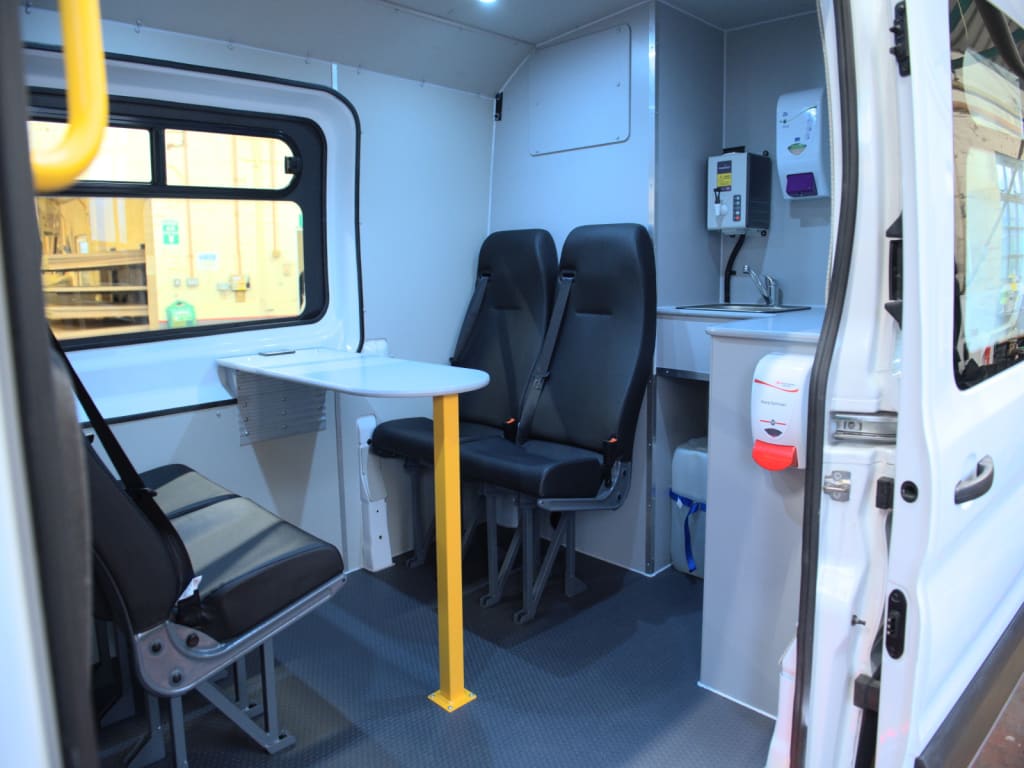
Welfare vans are self-contained mobile units that provide essential facilities for workers operating in remote or temporary locations. These vans are designed to ensure comfort, safety, and compliance with health and safety regulations. Typically, welfare vans are equipped with:
- Seating/rest areas
- Toilet facilities
- Kitchenettes (with microwaves, kettles, and sinks)
- First aid stations
- Heating and lighting
Welfare vans allow businesses to offer on-site welfare amenities, ensuring employees can access critical facilities, no matter where they are working.
Key Features of Welfare Vans
The features found in welfare vans are designed to improve the work environment for those in demanding jobs. Some of the most important features include:
1. Rest Areas
A designated space for workers to rest during breaks is essential, especially during long shifts in physically demanding jobs. Comfortable rest areas boost morale and productivity.
2. Toilet Facilities
Built-in toilets in welfare vans enhance hygiene and convenience, particularly in remote locations where permanent facilities may not be available.
3. Onboard Power and Heating
Welfare vans come with power solutions for heating, lighting, and charging equipment. This ensures that workers remain comfortable and that the site functions effectively, even in harsh weather conditions.
4. Kitchen/Refreshment Facilities
These vans often include microwaves, kettles, and food preparation areas, allowing workers to prepare meals without leaving the job site.
5. Safety Features
Welfare vans are typically equipped with safety tools like first aid kits, fire extinguishers, and emergency lighting, making them reliable in case of accidents or emergencies.
6. Storage Space
With built-in storage, these vans offer ample room for storing tools and personal belongings, helping to keep the job site organized.
Why Do You Need Welfare Vans?
Businesses across various sectors are realizing the importance of welfare vans for several reasons:
1. Compliance with Health & Safety Regulations
In many countries, including the UK, businesses are required to provide welfare facilities for their workers. Welfare vans help companies meet these legal requirements, ensuring workers have access to essential facilities like toilets, rest areas, and first aid.
2. Worker Well-Being and Comfort
Offering welfare facilities on-site significantly improves worker comfort and well-being. Having a dedicated space for resting, eating, and taking breaks means employees are more relaxed and energized, which boosts productivity.
3. Increased Productivity
Welfare vans reduce downtime by eliminating the need for workers to leave the job site for breaks or meals. With on-site facilities, workers can quickly return to their tasks, resulting in higher productivity.
4. Mobile Flexibility
Welfare vans are portable, making them ideal for industries with frequently changing job sites. Whether you're working on a short-term project or in a remote area, welfare vans provide the flexibility needed to meet your requirements.
5. Cost-Effectiveness
Setting up permanent welfare facilities at multiple job sites can be expensive. Welfare vans offer a more cost-effective solution, especially for short-term or mobile projects. Businesses can rent or buy welfare vans depending on their needs, reducing overall costs.
Industries That Benefit from Welfare Vans
Several industries rely heavily on welfare vans due to their unique work environments:
- Construction Industry: Welfare vans are essential in construction projects, especially those in remote or developing areas where permanent facilities are unavailable.
- Railway Maintenance: Railway maintenance teams often work in isolated locations without access to nearby facilities, making welfare vans crucial.
- Road Maintenance and Highways: Workers stationed on roadworks or highway projects benefit from mobile welfare units as they are frequently far from permanent amenities.
- Utilities and Engineering: Utility workers and engineers operating in areas without nearby services require welfare vans for on-site convenience and safety.
- Events and Filming Locations: Outdoor events, festivals, and film shoots often use welfare vans to provide essential services to staff and crew.
Welfare Vans vs Fixed Welfare Units
When deciding between welfare vans and fixed welfare units, businesses need to consider mobility, flexibility, and costs.
- Mobility: Welfare vans are ideal for projects that require frequent site changes. They can be easily moved from one location to another.
- Flexibility: Fixed welfare units may be better for long-term projects in one location, while welfare vans are suited for short-term or temporary jobs.
- Cost Considerations: Welfare vans are typically more cost-effective for projects with shorter durations or multiple locations. Fixed units may involve more setup and transportation costs.
- Set-Up Time: Welfare vans are ready to use upon arrival, saving time and reducing the complexity of setting up welfare facilities on-site.
Hiring vs Buying Welfare Vans
When deciding whether to hire or buy welfare vans, businesses should weigh the advantages of each option.
- Advantages of Hiring: Welfare van hire offers flexibility, especially for short-term projects, as it eliminates long-term maintenance or storage costs. It's ideal for businesses that only need welfare vans occasionally.
- Advantages of Buying: For businesses that frequently need welfare vans, buying can be a long-term investment that saves money. Purchased vans also offer greater customization options.
A general rule of thumb is to hire welfare vans for short-term projects or when budgets are limited, and to buy if the need is consistent and long-term.
Conclusion:
Welfare vans are an invaluable asset for businesses operating in the construction, engineering, railway, and road maintenance industries. These mobile units offer comfort, safety, and compliance with health and safety regulations, while also boosting productivity. Whether renting or buying, welfare vans ensure that your workforce remains well-supported, no matter where the job takes them.
By considering the features and benefits of welfare vans, businesses can make informed decisions that improve employee well-being and operational efficiency.
About the Creator
Keep reading
More stories from Zayn Karim and writers in Wheel and other communities.
The Car Shipping Gurus from California
Move Car Auto Transport is yet another successful business from the state of California. Based in Sunnyvale, CA, the success story of Move Car reigns over decades of car shipping experience ranging from simple daily usage ones to the expensive and exotic ones. Additionally, the company is also famous for offering easy vehicle transportation deals to students and military personnel.
By Zayn Karim5 years ago in Wheel
A Historic Waterwheel Returns to Family Roots Along the Riverbank
The story of a Historic Waterwheel Returns to Family Roots is more than a tale of wood and water. It is a story of memory, family honor, and deep love for local history. For many years, the old waterwheel stood silent near the bend of a quiet river. Time and storms had worn it down. The wood had faded. The iron had rusted. Yet the spirit of the wheel never faded in the hearts of the family who once built and cared for it.
By Grady Gaston7 days ago in Wheel
"Scream 7" (2026): Running out of Fresh Screams
This is the seventh time we’ve had a Ghostface crisis. Scream 7 is the latest edition of the Scream franchise. Sydney Prescott and her family are under attack by another anonymous killer dressed in a Ghostface costume. While having issues with her daughter, Tatum, they run from the bloody murders, trying to determine who is behind it all.
By Marielle Sabbaga day ago in Horror



Comments
There are no comments for this story
Be the first to respond and start the conversation.