
Vehicle Tire Safety: The importance of Keeping Your Vehicle Safe
Some of the common issues with tires include over-inflation and under-inflation. Over inflation occurs when there is too much air pressure in a tire with a lot of wear on the middle section and less on the edges.
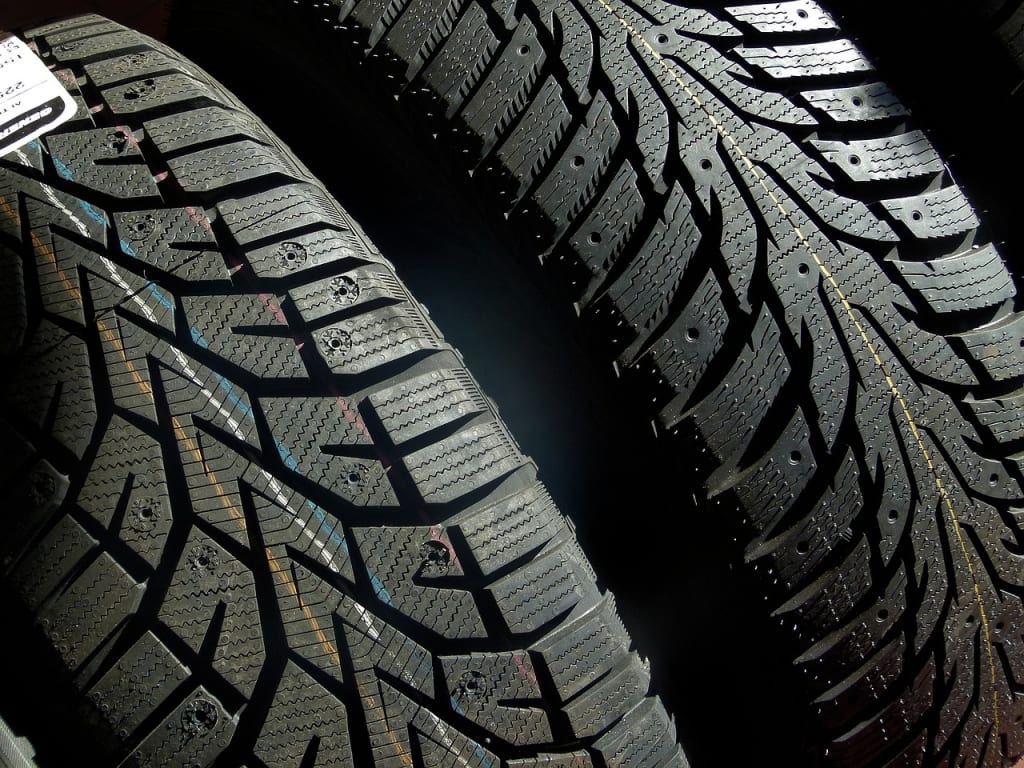
Every vehicle owner knows and should keep track of their maintenance needs such as oil changes, break changes, etc. However, many of us do not think about tires until we have a flat or our vehicle signals to us that something is wrong. However, one of the keys to vehicle safety and road safety is tire safety. While we do not realize it, your vehicle’s good tire health can protect against certain types of breakdowns, crashes, as well as better fuel and tire life span.
Pre-Driving Checklist
The National Highway Traffic Safety Administration has created a safety checklist that you can use prior to hitting the roads for optimal tire health. These are some of the key safety features to keep in mind:
• Consider checking your tire pressure every month and refilling if needed. This includes your spare tire, which many often forget.
• Check your tires for uneven wear, cracks, or any perturbing foreign objects. If you spot any of these, have them removed or patched. If the tread grooves are beyond repair, consider repairing your tires.
• Check your tire’s built in tread indicator. This is the raised bottom section of the tread grooves and if the indicator is even with the tread, it is time to get new tires. Another test is to place a penny face down (head-down) in your tread. If it does not cover Lincoln’s head, then it is time to replace the tires.
• Replace valve caps that might be missing.
• Check your tire pressure before embarking on a long road trip.
• Check the owner’s manual for max load recommendations of your vehicle. Do not overload the car as this can result in too much weight for the tires. This also includes towing another car/trailer. [1]
In addition to the NHTSA guidelines, here are some other safety precautions to keep in mind:
• Be wise with your tire choice: Tires are expensive, so it is easy to pick tires by the best price/deal. However, selecting the right tire would be based on the size recommended by your vehicle manufacturer, as well as the weather conditions. Areas like Northern Nevada experience heavy snow, so snow tires could be recommended.
• Keep a tire gauge handy, and this can help indicate when you may need to add more air to your tires. Some cars have a built-in tire gauge, and you can read your tire pressure on the dashboard.
• Slow down during wet weather conditions— As your speed decreases, your tire’s surface contact increases, giving you better traction with the road. This reduces your risk of skidding or your risk of hydroplaning when it is raining. [3]
Common Issues with Tires
Some of the common issues with tires include over-inflation and under-inflation. Over inflation occurs when there is too much air pressure in a tire with a lot of wear on the middle section and less on the edges. Under-inflation occurs when air pressure is too low and there is more wear on the edge of tire than the outer edges. Either under or over-inflating your tire is bad for your tire’s life span as well as puts your vehicle at risk for certain types of car accidents.
Uneven tread is also a common issue that tires can have, and this is characterized by wear on one edge more than another. This usually leads to the tire being out of alignment. The visual indicator of this would be seen on the tire, however if you feel a vibration or hear a loud thumping as you drive, then it means that your tire is possibly out of balance. Additionally, if your car feels like it is being pulled to one side as you drive, your tires could possibly be out of alignment. [2]
Keeping your tires safe and cared for
In addition to following the vehicle checklist, as well as detecting signs of a possible issue early, you can maintain your tires by rotating, balancing, and aligning them. These services should be done a few times a year, but a professional would be able to recommend how often based on your car’s model as well as average mileage you drive. Your owner’s manual also indicates how often you should do these services. Keeping your tires safe is important, and after all your car and life can ride on it.
[1] https://www.nhtsa.gov/Vehicle+Safety/Tires/Tire+Safety:+Everything+Rides+On+It
[3] https://www.merchantsgroup.com/blog/10-tips-tire-safety-1/
About the Creator
Keep reading
More stories from writers in Wheel and other communities.
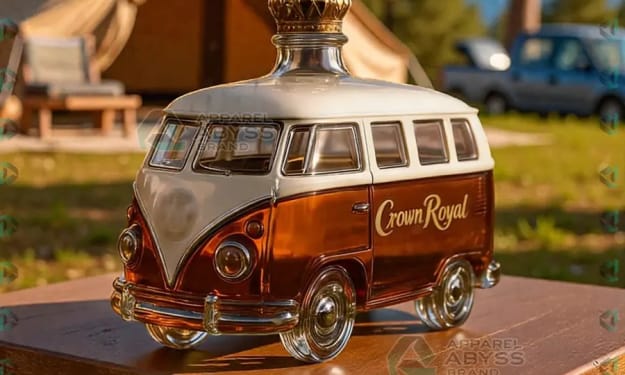
The Volkswagen T1 Camper Van Decanter Whiskey Bottle
Get it on : https://apparelabyssbrand.com/product/volkswagen-t1-camper-van-decanter-whiskey-bottle/ The Ultimate Blend of Nostalgia and Spirits: The Volkswagen T1 Camper Van Whiskey DecanterFor decades, the Volkswagen T1 Camper Van—affectionately known as the "Bus" or the "Bulli"—has been a global symbol of freedom, adventure, and the "Van Life" spirit. Today, that iconic silhouette has found a new home: not on the open road, but on the top shelf of the world’s most stylish home bars. The Volkswagen T1 Camper Van Whiskey Decanter is a stunning piece of functional art that captures the heart of 1960s counter-culture and pours it into a glass of premium bourbon or scotch.A Design That Drives ConversationAt first glance, these decanters are a masterclass in detail.
By gia ton hanha day ago in Wheel
Ludacris and Nelly draw backlash over bookings at MAGA-coded music festival
Ludacris and Nelly headlining a mostly right-wing event is good for them. It’s also great for the genre of hip hop. The two rap veterans have showcased their talents on other stages. Why can’t they perform for mostly MAGA folks and grab that bag?
By Skyler Saunders5 days ago in Beat


Comments
There are no comments for this story
Be the first to respond and start the conversation.