
Upgrading and Servicing Brakes on Your Classic Car: What You Need to Know
Upgrading and Servicing Brakes on Your Classic Car

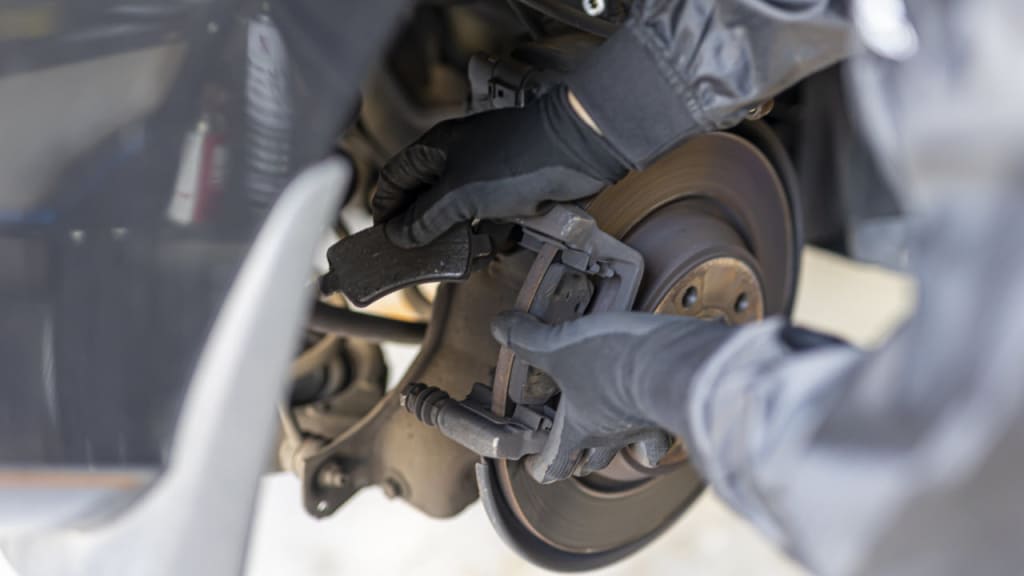
Classic cars are a passion for many automotive enthusiasts. They represent a time when driving was as much about the journey as the destination, with each vehicle showcasing unique design, engineering, and craftsmanship. However, owning a classic car comes with its own set of challenges, particularly when it comes to maintaining and upgrading essential systems like the brakes. Ensuring your classic car’s braking system is up to modern standards is crucial for both safety and performance. This article will guide you through the key considerations and steps for upgrading and servicing brakes on your classic car.
Understanding the Importance of Brake Maintenance
The braking system is one of the most critical components of any vehicle, but it's especially vital in classic cars. Older brake systems can suffer from wear and tear, corrosion, and outdated technology, all of which can compromise safety. Regular maintenance and timely upgrades can prevent brake failure, improve stopping power, and enhance overall driving safety.
Common Brake Problems in Classic Cars
Before diving into upgrades, it’s important to recognize common brake issues that can affect classic cars:
Brake Fade: Over time, heat can cause brake components to wear down, leading to reduced stopping power.
Fluid Leaks: Brake lines and seals can deteriorate, leading to fluid leaks that reduce braking efficiency.
Corrosion: Rust and corrosion are common in older vehicles, particularly in brake lines and calipers.
Worn Pads and Shoes: Brake pads and shoes naturally wear out over time, reducing braking effectiveness.
Outdated Technology: Many classic cars come with drum brakes, which are less effective than modern disc brakes.
Upgrading Your Classic Car’s Brakes
When considering brake upgrades for your classic car, there are several key components to focus on:
Disc Brake Conversion: One of the most significant upgrades you can make is converting from drum brakes to disc brakes. Disc brakes offer superior stopping power, better heat dissipation, and more consistent performance. Conversion kits are available for many classic car models, making this upgrade more accessible.
High-Performance Brake Pads and Rotors: Upgrading to high-performance brake pads and rotors can significantly improve braking performance. Look for materials that offer better heat resistance and durability, such as ceramic or carbon fiber composites.
Stainless Steel Brake Lines: Replacing old, rubber brake lines with stainless steel lines can improve braking responsiveness and reduce the risk of leaks. Stainless steel lines are more resistant to corrosion and provide a firmer pedal feel.
Power Brake Booster: Adding a power brake booster can make braking easier and more effective. This is particularly useful in heavy classic cars where manual braking effort can be substantial.
Adjustable Proportioning Valve: Installing an adjustable proportioning valve allows you to fine-tune the brake balance between the front and rear wheels, ensuring optimal braking performance.
Servicing Your Classic Car’s Brakes
Regular servicing is essential to keep your classic car’s brakes in top condition. Here are some key maintenance tasks to consider:
Brake Fluid Replacement: Brake fluid absorbs moisture over time, which can lead to corrosion and reduced braking efficiency. It’s recommended to replace the brake fluid every two years or as specified by the manufacturer.
Brake Pad and Shoe Inspection: Regularly inspect brake pads and shoes for wear. Replace them if they are worn beyond the manufacturer’s recommended thickness.
Rotor and Drum Inspection: Check the condition of brake rotors and drums for signs of wear, warping, or scoring. Resurfacing or replacement may be necessary to maintain smooth braking performance.
Brake Line Inspection: Inspect brake lines for signs of corrosion, cracking, or leaks. Replace any damaged lines to prevent fluid loss and maintain braking pressure.
Caliper and Wheel Cylinder Maintenance: Calipers and wheel cylinders should be inspected for leaks and proper operation. Rebuilding or replacing these components can restore optimal braking performance.
Choosing the Right Parts and Professional Help
When upgrading and servicing your classic car’s brakes, it’s important to choose high-quality parts that are compatible with your specific model. Here are some tips to ensure you get the right components:
OEM vs. Aftermarket Parts: Original Equipment Manufacturer (OEM) parts are designed to match the specifications of your classic car, ensuring a perfect fit and reliable performance. Aftermarket parts can offer improved performance and modern materials but may require modifications to fit correctly.
Reputable Brands: Stick to reputable brands known for their quality and reliability. Research reviews and seek recommendations from other classic car enthusiasts.
Professional Installation: While some brake maintenance tasks can be performed by experienced DIYers, major upgrades and repairs should be handled by professionals. Certified mechanics with experience in classic cars can ensure that upgrades are installed correctly and safely.
Conclusion
Upgrading and servicing the brakes on your classic car is essential for maintaining safety, performance, and reliability. By understanding common brake issues, selecting the right upgrades, and performing regular maintenance, you can enjoy the thrill of driving your classic car with confidence. Remember, investing in your braking system not only enhances your driving experience but also protects your valuable automotive investment. Keep these tips in mind to ensure your classic car remains a joy to drive for years to come.
About the Creator
World Class Auto Repairs Classic Cars
World Class Auto Repair Center specializes in restoring classic cars to their former glory. With a passion for preserving automotive heritage, our skilled technicians meticulously revive vintage vehicles, blending craftsmanship.
Reader insights
Nice work
Very well written. Keep up the good work!
Top insight
Easy to read and follow
Well-structured & engaging content
Keep reading
More stories from writers in Wheel and other communities.
The Path to Salvation
The late autumn evening air filled the monk's lungs, but it wasn't the season that chilled his bones. The heavy-handed presence of evil he had sensed upon entering the woods surrounding this mountain village had not bothered to conceal itself from him.
By Made in DNA3 days ago in Fiction




Comments (2)
Great content that was!
Excellent piece