
Unlock Used Car Secrets
Insider tips to help you spot hidden issues, negotiate smarter, and save big on your next used car purchase.

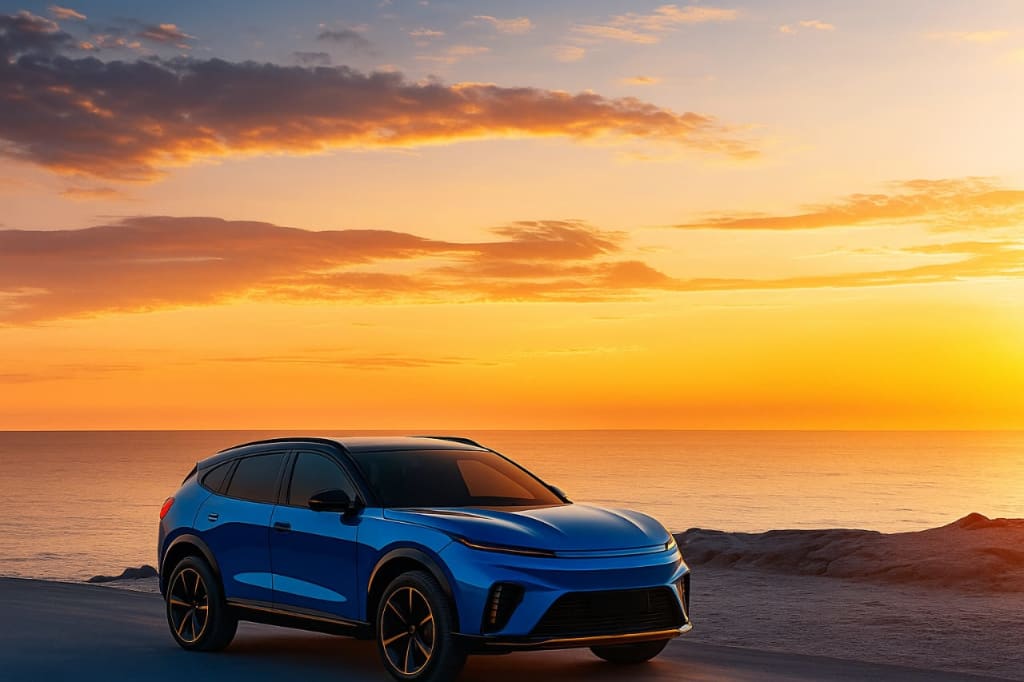
Unlock Used Car Secrets: What Dealers Don’t Want You to Know
"You could be overpaying by thousands — and not even know it."
That’s the hard truth most people discover too late when buying a used car. In a world where price tags rarely tell the whole story and salespeople are trained negotiators, walking into a dealership unprepared is like stepping into a poker game with your cards face-up.
But here’s the good news: by learning just a few insider secrets, you can completely flip the script. Welcome to your crash course on unlocking the used car market — smarter, safer, and with money still in your pocket.
1. Know the Real Value — Not Just the Asking Price
Used car dealerships often inflate prices knowing that most buyers haven't done their homework. Sites like Kelley Blue Book (KBB), Edmunds, and NADA Guides offer accurate market values based on condition, mileage, and location. Always check these before even stepping foot on a lot or contacting a private seller.
1: The sticker price is a suggestion — not a fact.
Many used cars are listed $1,000–$3,000 above their true market value, expecting negotiation.
2. Look Beyond the Shine
That sparkling paint and freshly shampooed interior? It’s all part of the presentation. Dealers invest in cosmetic reconditioning to distract from mechanical issues.
What to do:
Request the service history. A lack of records can be a red flag.
Inspect the car in daylight. Nighttime lighting can hide flaws.
Bring a flashlight. Check under the car for rust, oil leaks, or frame damage.
Smell test. A musty odor could mean water damage.
2: Clean doesn’t mean reliable.
A $50 car wash doesn’t fix a failing transmission.
3. Get a Professional Inspection
Before you even consider buying, spend $100–$200 on a pre-purchase inspection (PPI) by a trusted, independent mechanic.
Even if the seller claims “no issues,” mechanics often uncover:
Hidden accident damage
Flood exposure
Major engine or suspension problems
Odometer tampering
3: A mechanic can spot $5,000 in repairs you’d never see.
Skipping this step is the #1 regret among used car buyers.
4. Understand the Psychology of Negotiation
Dealers often use subtle tactics to make you feel like you’re getting a deal — even when you’re not. “Today only” offers, “other interested buyers,” or drawing your attention to monthly payments are all strategies to distract from the total cost.
Tips to counter:
Focus only on the out-the-door price (car price + tax + fees).
Always be ready to walk away — confidence is leverage.
Start by offering 15-20% below the asking price.
Don’t reveal your budget until they make the first offer.
4: Silence is a powerful tool.
When you stop talking, the salesperson starts lowering the price.
5. Watch Out for Hidden Fees
Some dealerships tack on unnecessary charges at the last minute:
“Documentation” fees (should be under $100)
“Market adjustment” fees (usually bogus)
“Paint protection,” “VIN etching,” or “theft protection” add-ons
You’re not legally required to pay for any extras you didn’t agree to. Politely but firmly request their removal.
5: If it’s not on the original quote — don’t pay for it.
Read everything before signing.
6. Financing: Don’t Let the Dealer Choose for You
Dealerships often make more money from financing than from selling the car. They’ll offer loans with higher interest rates than what you might get from a credit union or bank.
What to do:
Get pre-approved for a loan before shopping.
Use dealer financing only if they match or beat your pre-approval.
Know your credit score and understand your financing terms (APR, loan term, total interest paid).
6: Dealers may mark up your interest rate and pocket the difference.
Compare rates just like you compare cars.
7. Always Check the Vehicle History Report
Use the VIN (Vehicle Identification Number) to run a report on Carfax or AutoCheck. Look for:
Salvage titles
Past accidents
Number of previous owners
Rental or fleet use
Consistent mileage records
7: One report can save you from buying a lemon.
If a seller won’t provide it, consider that a red flag.
The Bottom Line: Smart Buyers Win
The used car market is full of opportunity and pitfalls. But now, you’re equipped with the knowledge most buyers never take the time to learn. Remember: every dollar you save is a dollar earned — and every mistake avoided is peace of mind gained.
So next time you shop for a used car, don’t just test the brakes. Tap the brakes on common mistakes by using these secrets. You’ll drive off not just with a better deal, but with confidence.
About the Creator
USAMA KHAN
Usama Khan, a passionate storyteller exploring self-growth, technology, and the changing world around us. I writes to inspire, question, and connect — one article at a time.
Keep reading
More stories from USAMA KHAN and writers in Wheel and other communities.
The Ultimate Checklist Before Selling Your Car to a Wrecker
If your car has reached the end of its life or has serious damage, selling it to a wrecker can be a fast and convenient solution. Many car owners assume wreckers only provide scrap value, but professional wreckers often pay based on the condition and reusable parts of your vehicle.
By Alec Johnson5 days ago in Wheel
Why BMW Still Builds Inline-Six Engines When Others Don’t
For decades, most car manufacturers have moved toward smaller four-cylinder engines or compact V6 designs. They’re easier to package in modern cars, cheaper to build, and often simpler to fit into tight engine bays. Yet BMW continues to invest heavily in inline-six engines. From classic engines like the M54 to modern units such as the B58 and S58, the straight-six remains central to the brand’s identity. The reason isn’t nostalgia, it’s engineering.
By MT Auto Parts – BMW Specialists from the UK3 days ago in Wheel


Comments
There are no comments for this story
Be the first to respond and start the conversation.