
Understanding Used Car Trade-In Value and How It’s Determined
Key Factors, Valuation Methods, and Practical Tips Every Car Owner Should Know

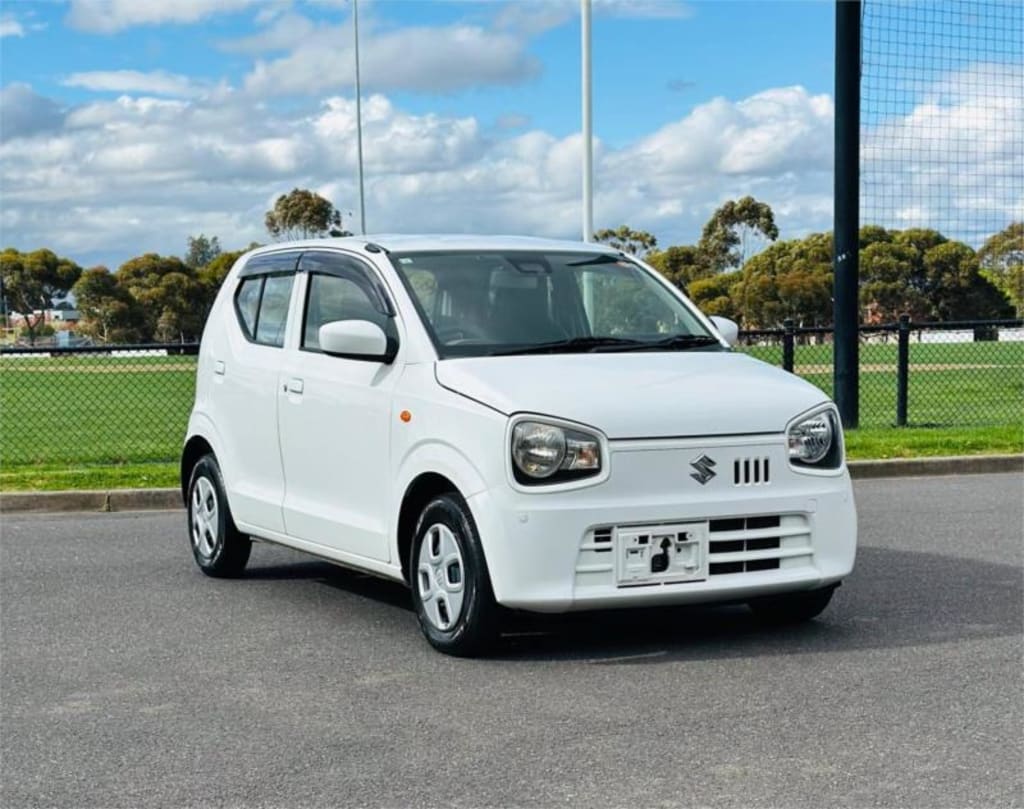
When selling or upgrading a vehicle, trade-in value plays a major role in the decision-making process. A car’s trade-in value refers to the amount a dealer is willing to credit toward another purchase in exchange for your current vehicle. This value is not random. It is influenced by market conditions, vehicle demand, and the overall economic environment.
Understanding how trade-in values work helps car owners set realistic expectations and make better financial choices. While prices can change quickly, knowing the key factors behind valuations can give you an advantage before approaching a dealership.
Market Forces That Shape Trade-In Value
Supply and demand strongly influence used vehicle pricing. When fewer used cars are available, demand rises and trade-in values often increase. This is especially noticeable for fuel-efficient vehicles, reliable sedans, and popular imports. Vehicles that are easy to resell or have a strong reputation tend to hold value better than less popular models.
Market trends also change buyer preferences. During times of high fuel costs, smaller and hybrid vehicles often see stronger demand. This can raise trade-in values across the market, including for vehicles similar to Japanese import cars for sale, which are often known for reliability and efficiency.
Seasonality plays a role as well. Convertibles and sports cars usually perform better in warmer months, while SUVs and all-wheel-drive vehicles often gain value during winter. Timing your trade-in can sometimes result in a better offer.
Economic conditions matter too. Interest rates, fuel prices, and overall consumer confidence affect how much dealers are willing to pay. When borrowing costs rise, buyers become more cautious, which can soften trade-in values.
Ways Trade-In Value Is Estimated
Trade-in value is not based on guesswork. Dealers use several methods to determine what a vehicle is worth in the current market.
One common approach is dealer-based valuation. Many used car dealers request details such as make, model, mileage, condition, and service history. Based on this information, they provide an estimated trade-in range. This method offers a realistic snapshot of current market value, though final numbers often change after inspection.
Another important method is in-person inspection. Online estimates do not capture mechanical condition, cosmetic wear, or how well the vehicle has been maintained. A physical inspection allows the dealer to assess engine performance, interior condition, paint quality, and any potential repair costs. This step typically results in a more accurate and final valuation.
Online valuation tools are also widely used. These tools can help owners get a general idea of what their vehicle might be worth. However, they often fail to account for regional demand, optional features, or current dealer inventory needs. As a result, online values may differ from actual offers, especially in competitive markets like Melbourne, where interest in Japan import cars in Melbourne remains strong.
Improving Your Trade-In Value Before Appraisal
While market conditions are beyond your control, vehicle preparation is not. Simple steps can positively affect trade-in value.
A complete service history is one of the most important elements. Vehicles with documented maintenance are viewed as lower risk. A full logbook, recent servicing, and repair records can make a noticeable difference in valuation.
Presentation also matters. A clean and well-maintained car signals responsible ownership. Interior detailing, exterior washing, and odor removal can improve first impressions and reduce potential deductions.
Addressing small issues beforehand can also help. Replacing worn wipers, fixing minor scratches, ensuring lights work properly, and resolving dashboard warning lights shows attention to detail and minimizes dealer repair costs.
Having all accessories and documents ready is equally important. Spare keys, owner’s manuals, tool kits, and original accessories help avoid unnecessary value reductions during inspection.
Trade-In Versus Private Sale Considerations
Trading in a vehicle offers simplicity and speed. Dealers handle paperwork, inspections, and payment processing, which reduces stress and time commitment. The process is generally straightforward, making it appealing to owners who value convenience.
Private sales may result in a higher selling price, but they require significantly more effort. Owners must advertise the car, manage inquiries, arrange viewings, negotiate pricing, and handle legal paperwork. There is also greater uncertainty, as buyers can withdraw or delay payment.
From a safety perspective, trade-ins reduce risk by eliminating meetings with unknown buyers. Payment is typically immediate or applied directly toward another vehicle purchase.
While private sales may appeal to those seeking maximum return, trade-ins offer predictability, efficiency, and peace of mind.
Final Thoughts on Trade-In Value
Used car trade-in value depends on a mix of market conditions, vehicle demand, and preparation. While no estimate is guaranteed, understanding how values are calculated allows owners to make informed decisions.
By monitoring market trends, preparing the vehicle properly, and using multiple valuation methods, sellers can approach the trade-in process with confidence and realistic expectations.
About the Creator
Merry Smith
Hi, I’m Merry Smith — a storyteller at heart and a content writer by profession. I have a passion for crafting engaging, informative that connects with readers and brings ideas to life. I focus on creating clear, compelling stories.
Keep reading
More stories from Merry Smith and writers in Wheel and other communities.
How Often Should You Wash Your Car in Australia? A Practical Guide for Everyday Drivers
Keeping a car clean in Australia can be challenging. Coastal cities like Melbourne expose vehicles to salt in the air, while rural and outer regions often cover cars in red dust. Even local wildlife—especially birds—can leave behind stubborn marks that damage the paint if not cleaned promptly.
By Merry Smith3 months ago in Wheel
United States Electric Car Market Size to Reach USD 262.9 Billion by 2034 | Exhibiting CAGR of 11.02%
Industry Overview Electric cars, commonly referred to as battery electric vehicles (BEVs) and plug-in hybrid electric vehicles (PHEVs), operate either partially or entirely on electric power. Unlike traditional internal combustion engine vehicles, electric cars reduce tailpipe emissions and lower fuel dependency.
By Ashutosh Srivastava5 days ago in Wheel
What Really Happens to Your Car If You Skip Oil Changes for 10,000 Miles - Asked Car
I’ll never forget the engine teardown that stuck with me from my time at the University of Michigan. A grad student brought in his beat-up Honda Civic nothing fancy, just a daily driver with over 150,000 miles. He figured he was saving time and money by stretching oil changes. “I went maybe 12,000 miles once or twice,” he said with a shrug. When we pulled the valve cover, the sight hit us like a punch: thick, black sludge coating everything, varnish baked onto the camshaft like burnt sugar. The bearings were scored, the chain guides worn down to nubs. That engine wasn’t dying it was already dead. All because the owner treated oil changes like an optional suggestion.
By Cedrick S. Rowan5 days ago in Wheel
I was in a Toxic Relationship, with my Workplace
“You got that?” My ex yelled. His hands were balled into fists at his side. At six foot three, he towered over me. A normal person would have been afraid, but I looked up a video of George Lopez repeatedly saying, “I got this,” and showed it to him. I had grown used to this treatment, so much so that I didn’t blink when he ripped the phone from my hand and threw it across the room.
By Jade M.2 days ago in Confessions




Comments
There are no comments for this story
Be the first to respond and start the conversation.