
Troubleshooting Volkswagen Electrical System Issues: A Comprehensive Guide
Volkswagen Electrical System Issues

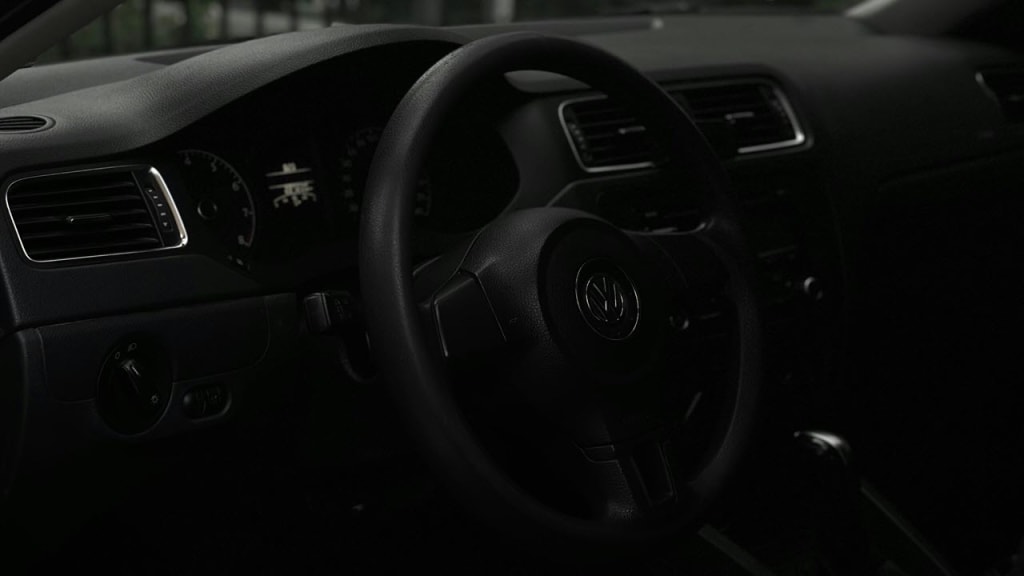
The electrical system of a Volkswagen vehicle plays a critical role in its overall performance and reliability. From powering the engine and infotainment system to operating essential components like headlights and sensors, a well-functioning electrical system is crucial. However, electrical problems can arise, leading to a range of issues from minor inconveniences to major breakdowns. This comprehensive guide will help you understand common electrical system problems in Volkswagens, how to diagnose them, and the steps to take for effective repairs.
Understanding the Volkswagen Electrical System
The electrical system in a Volkswagen vehicle comprises several key components:
Battery: Provides the initial electrical power to start the engine and powers electrical components when the engine is off.
Alternator: Charges the battery and supplies power to the electrical systems while the engine is running.
Fuses and Relays: Protect the electrical circuits by preventing overcurrent and facilitating the control of various components.
Wiring Harnesses: Distribute electrical power to various parts of the vehicle.
ECUs (Electronic Control Units): Control various functions within the vehicle, such as engine management, transmission, and infotainment.
Common Electrical System Problems
1. Dead Battery
A dead battery is a common issue and can be caused by several factors:
Faulty Alternator: If the alternator fails, it won’t charge the battery properly.
Parasitic Drain: Electrical components or systems that continue to draw power when the vehicle is off.
Old Battery: Batteries have a finite lifespan and may fail over time.
Symptoms: Difficulty starting the vehicle, dim headlights, or electrical components not functioning.
Diagnosis: Check the battery voltage with a multimeter (should be around 12.6 volts when off). Inspect the battery for corrosion or damage. Test the alternator output (should be between 13.7 to 14.7 volts with the engine running).
2. Flickering Lights
Flickering headlights or dashboard lights can indicate:
Loose Connections: Wiring or connections that are not secure.
Faulty Alternator: Inconsistent voltage output.
Bad Grounding: Poor ground connections can affect electrical performance.
Symptoms: Lights dimming or flickering, erratic behavior of electrical components.
Diagnosis: Inspect wiring connections for looseness or damage. Test the alternator output and check for proper grounding.
3. Electrical System Warning Lights
Modern Volkswagens come equipped with a range of warning lights, including those related to the electrical system. These lights can indicate:
Battery Light: Indicates an issue with the battery or charging system.
Check Engine Light: Can signal a problem with the engine's electrical components or sensors.
Symptoms: Warning lights illuminated on the dashboard.
Diagnosis: Use an OBD-II scanner to read error codes and determine the specific issue. Consult the vehicle’s manual for code interpretations.
4. Non-Functional Components
Sometimes, individual electrical components like power windows, radio, or central locking may stop working:
Blown Fuses: Can cause specific components to stop working.
Faulty Relays: Affect the operation of components controlled by relays.
Wiring Issues: Damaged or shorted wiring.
Symptoms: Specific electrical components not working as intended.
Diagnosis: Check and replace any blown fuses. Test relays and inspect wiring for damage.
Steps for Troubleshooting
1. Verify the Problem
Before diving into repairs, confirm the symptoms and identify which components are affected. This step helps in narrowing down the potential causes.
2. Inspect Visual Elements
Start with a visual inspection of the battery, alternator, wiring, and fuses. Look for signs of corrosion, damage, or loose connections.
3. Test Electrical Components
Use a multimeter to check voltage levels and continuity in various components. This helps in pinpointing issues with the battery, alternator, or wiring.
4. Consult Diagnostic Tools
For more complex issues, use diagnostic tools like OBD-II scanners to read error codes and get more detailed information about the problem.
5. Address and Repair
Based on the findings, proceed with repairs or replacements. This might involve:
Replacing the Battery or Alternator: If they are faulty.
Fixing Wiring: Repair or replace damaged wiring.
Changing Fuses or Relays: Replace any that are blown or malfunctioning.
6. Test the Repairs
After making repairs, test the vehicle to ensure the issue is resolved. Check the performance of electrical components and monitor the system for any recurring issues.
Preventative Measures
To avoid future electrical problems:
Regular Maintenance: Have the electrical system checked during routine maintenance.
Protect Wiring: Ensure wiring is secured and protected from damage.
Monitor Battery Health: Replace the battery before it reaches the end of its lifespan.
Conclusion
Troubleshooting Volkswagen electrical system issues can seem daunting, but with a systematic approach, you can identify and resolve many common problems. By understanding the key components of the electrical system, recognizing symptoms of issues, and following a structured troubleshooting process, you can keep your Volkswagen running smoothly and efficiently. Regular maintenance and prompt attention to electrical issues will help ensure the long-term reliability of your vehicle's electrical system.
About the Creator
Andres Auto Service
Automotive Andres is one of the leading luxury European automotive repair and service facilities located in Chicago. We have years of experience in looking after high-end cars like Audi, BMW, Jaguar, Land Rover, Mercedes Benz, Mini.
Keep reading
More stories from Andres Auto Service and writers in Wheel and other communities.
You Won't Believe How Easy it is to Get 100,000 Miles Between Brake Jobs
Most drivers are destroying their brakes prematurely — and it has nothing to do with speed. As a Master Mechanic for 25 years, I’ve seen every driving style imaginable. And nothing reveals a driver’s habits faster than how often they need brake work.
By Jack Martinabout 24 hours ago in Wheel
How to Succeed at the Benson Directory®
Congratulations and welcome to the Benson Directory® employee #22391! As our newest call handler, you will have the privilege of speaking with dozens of unique and interesting people on a daily basis as well as the opportunity to earn bonuses for high performance. Contained within this handbook you will find a set of ease to follow instructions designed to help you settle in to your new role and begin paving the way to success.
By S. A. Crawford5 days ago in Fiction




Comments (1)
A nice work. Engineering perspective.