
Transport Canada: The agency in charge of transportation in Canada
charge of transportation in Canada
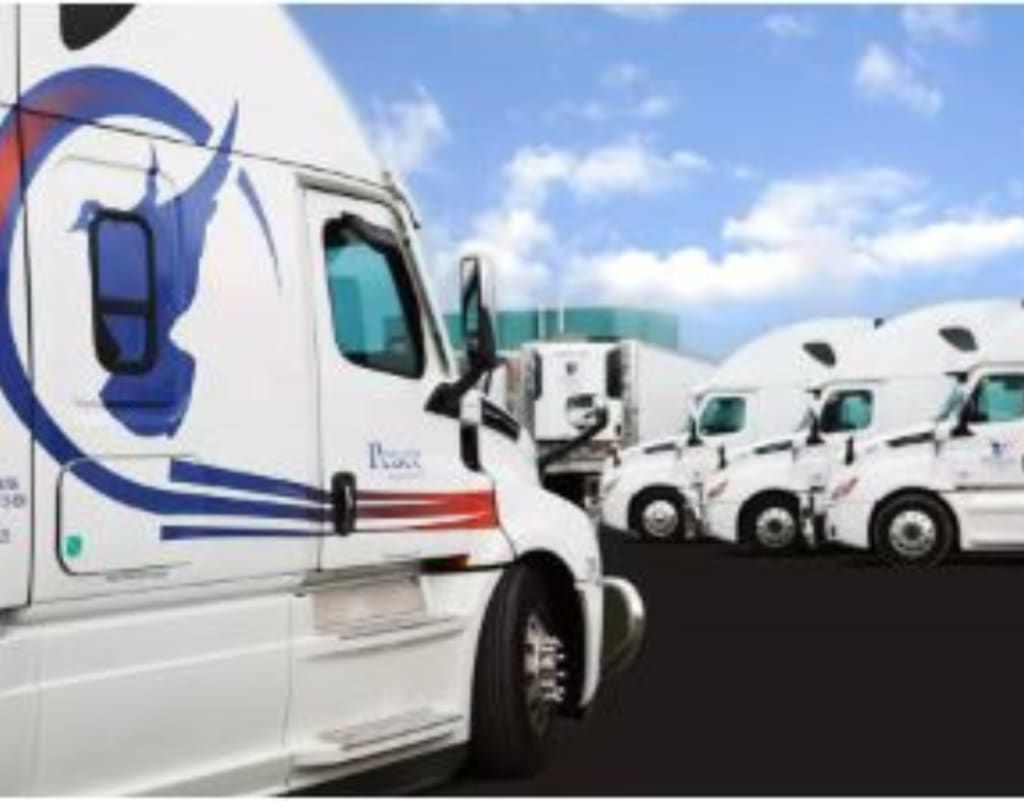
Transportation is a vital aspect of modern society. It is a means of connecting people and businesses, facilitating economic growth and development, and promoting social mobility. In Canada, the responsibility of regulating and overseeing transportation falls on the shoulders of Transport Canada, a federal government department that plays a crucial role in keeping the country moving. The Organization in Charge of Canada’s Transportation is mostly the best. In this article, we will explore the functions of Transport Canada, its history, and its impact on the transportation industry.
Transport Canada: What is it?
A safe, effective, and environmentally conscious transportation system in Canada is ensured by the policies, rules, and programmes developed and implemented by Transport Canada, a federal government agency. Its mandate extends to a variety of modes of transportation, including rail, road, water, and air.
The department wants to provide a transportation system that is dependable, safe, efficient, and environment-friendly. To develop policies and regulations that advance transportation efficiency, safety, and environmental impact reduction, Transport Canada works closely with other governmental organisations, industry stakeholders, and international partners.
History of Transport Canada
Transport Canada's origins can be found in the early stages of the country's formation. When the Dominion of Canada was founded in 1867, a national transportation system was required. Initially, the Department of Public Works, which was in charge of building and maintaining roads, canals, and other infrastructure, was in charge of managing transportation.
The Department of Transport was founded in 1936 to regulate all facets of transportation, including road, air, and sea travel, as the field of transportation grew over time. In order to better reflect the expanding significance of transportation to Canada’s economy and society, the department was renamed Transport Canada in 1993.
Transport Canada's activities
- Developing policies and regulations: Transport Canada is responsible for developing policies and regulations that promote safety and efficiency in transportation. This includes developing regulations for the aviation, marine, and rail industries, as well as for road safety.
- Oversight and compliance: Transport Canada is responsible for overseeing compliance with transportation regulations and standards. This includes conducting inspections, investigations, and audits to ensure that transportation operators are following the rules and regulations.
- Transportation infrastructure: Transport Canada is responsible for the development and maintenance of transportation infrastructure. This includes the construction and maintenance of airports, seaports, and other transportation facilities.
- International relations: Transport Canada works closely with international partners to promote safety and efficiency in transportation. This includes developing international standards and regulations, as well as working with other countries to ensure the safe and efficient movement of people and goods.
Transport Canada's Effect on the Transportation Sector
Transport Canada has had a significant impact on the transportation industry in Canada. By developing and enforcing regulations that promote safety and efficiency, Transport Canada has helped to create a transportation system that is among the safest and most efficient in the world.
The aviation industry, in particular, has benefited from Transport Canada’s oversight and regulation. Transport Canada is responsible for regulating all aspects of aviation in Canada, including pilot training, aircraft maintenance, and air traffic control. This has helped to ensure that Canada’s aviation industry is among the safest in the world, with an excellent safety record and a strong reputation for professionalism.
Additionally, Transport Canada has made a significant contribution to encouraging the creation of new transportation technologies. For research and development projects involving transportation, including electric vehicles and alternative fuels, the department has provided funding and support. As a result, the transportation sector has been encouraged to innovate, and the environmental impact of transportation has been lessened.
In addition, Transport Canada has played a key role in promoting the development of transportation infrastructure in Canada.
Transportation is an integral part of any modern society, and Canada is no exception. With its vast size and diverse geography, transportation plays a crucial role in connecting Canadians across the country and facilitating trade with the rest of the world. To ensure the safety and efficiency of transportation systems, Transport Canada is responsible for regulating and overseeing all modes of transportation in the country.
Transport Canada is a department of the Canadian government that is responsible for developing and implementing policies, regulations, and standards related to transportation. The department was established in 1935 and has since then played a crucial role in ensuring the safety and efficiency of transportation systems in Canada.
The goal of Transport Canada is to create and manage the nation's transportation system's policies, rules, and services. All forms of transportation are included in this, including air, land, sea, and rail. Additionally, the department is in charge of making sure that transportation systems are reliable, secure, effective, and environmentally friendly.
Being able to transport people and goods both domestically and internationally makes aviation one of the most significant modes of transportation in Canada. The development of safety standards and regulations, as well as the regulation and oversight of the aviation sector in Canada, are all tasks that fall under Transport Canada's purview.
One of the most important functions of Transport Canada in the aviation industry is the oversight of air operators. Air operators are responsible for the safe operation of commercial flights in Canada, and Transport Canada is responsible for ensuring that they comply with all safety regulations and standards. This includes conducting regular inspections of air operators, reviewing safety management systems, and investigating accidents and incidents.
In addition to the oversight of air operators, Transport Canada also plays a crucial role in the development of new technologies and systems in the aviation industry. For example, the department is currently working on the development of a new air traffic control system that will replace the current system, which has been in place for over 50 years.
Marine transportation is also an important mode of transportation in Canada, with the country’s extensive coastline and numerous ports serving as important gateways for trade with the rest of the world. Transport Canada is responsible for regulating and overseeing the marine industry in Canada, including the certification of vessels, the development of safety regulations and standards, and the oversight of marine transportation companies.
One of the most important functions of Transport Canada in the marine industry is the inspection of vessels. Vessels operating in Canadian waters must comply with a range of safety regulations and standards, and Transport Canada is responsible for ensuring that they do so. This includes conducting regular inspections of vessels, reviewing safety management systems, and investigating accidents and incidents.
Transport Canada also plays a crucial role in the development of new technologies and systems in the marine industry. For example, the department is currently working on the development of a new system for the management of vessel traffic in Canadian waters. This system will use advanced technologies such as radar and satellite tracking to provide real-time information on vessel movements and help prevent collisions and other incidents.
Rail transportation is another important mode of transportation in Canada, with railways playing a crucial role in the transportation of goods across the country. Transport Canada is responsible for regulating and overseeing the rail industry in Canada, including the certification of locomotives and rail cars, the development of safety regulations and standards, and the oversight of railway companies.
About the Creator
Keep reading
More stories from peace transportation and writers in Wheel and other communities.
Transport Near Me Options: Find Now
Living in the modern world means being able to move around quickly and easily. Whether it’s commuting to work or school, running errands, or traveling to a new city, reliable and convenient transportation is essential. Luckily, there are many transportation options available, and with the help of technology, finding transport near you has never been easier. This is the best option to transport near me. Choose Reliable and Convenient Transportation.
By peace transportation3 years ago in Serve
The Real Cost of Owning a Car in 2026 — What Most Drivers Don’t Expect
Owning a car has long been seen as a symbol of convenience and independence. For many people, it is simply part of daily life. You buy a car, pay for fuel, and drive where you need to go. However, as we move into 2026, the true cost of owning a car is becoming more complex than many drivers expect. While the purchase price often gets the most attention, it is usually the ongoing and less obvious expenses that slowly influence your finances year after year. Understanding these costs can help drivers make smarter decisions and avoid financial surprises.
By Austin Peck7 days ago in Wheel
The Volkswagen T1 Camper Van Decanter Whiskey Bottle
Get it on : https://apparelabyssbrand.com/product/volkswagen-t1-camper-van-decanter-whiskey-bottle/ The Ultimate Blend of Nostalgia and Spirits: The Volkswagen T1 Camper Van Whiskey DecanterFor decades, the Volkswagen T1 Camper Van—affectionately known as the "Bus" or the "Bulli"—has been a global symbol of freedom, adventure, and the "Van Life" spirit. Today, that iconic silhouette has found a new home: not on the open road, but on the top shelf of the world’s most stylish home bars. The Volkswagen T1 Camper Van Whiskey Decanter is a stunning piece of functional art that captures the heart of 1960s counter-culture and pours it into a glass of premium bourbon or scotch.A Design That Drives ConversationAt first glance, these decanters are a masterclass in detail.
By gia ton hanhabout 12 hours ago in Wheel
Wild Card Weekend Recap: What Happens Now?
I think I figured out why I love Wild Card Weekend so much. It's because it's the first playoff anything of the calendar year. The NFL season starts in the fall, and once upon a time, the champion was crowned either on or slightly before New Year's. The evolution of the NFL schedule has resulted in the playoffs starting just into the New Year, and currently, the final week of the season falls on the first weekend of the New Year, with Wild Card Weekend coming a week after that. So yes, chronologically, the NFL's Wild Card Weekend serves as the first playoff anything of the calendar year.
By Clyde E. Dawkins6 days ago in Unbalanced




Comments
There are no comments for this story
Be the first to respond and start the conversation.