
Things To Consider Before Shipping Your Car From Illinois To California
Planning to ship your car from Illinois to California? Discover key tips on transport options, costs, preparation, and regulations to ensure a smooth, stress-free move.
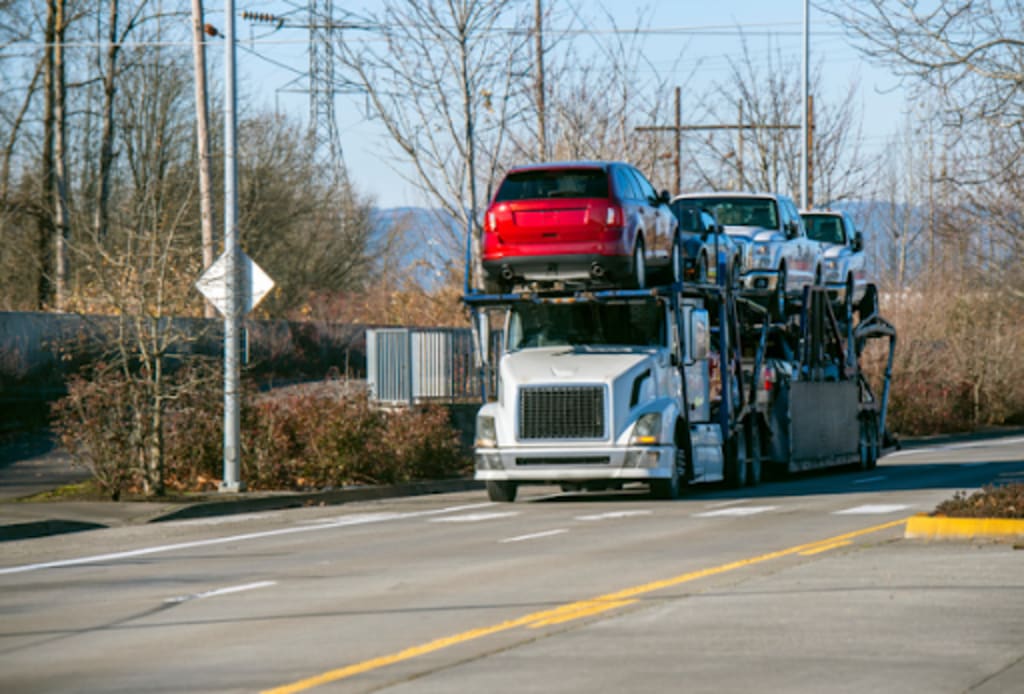
Shipping your car across state lines is pretty hard, especially when the journey spans over 2,000 miles from Illinois to California. Whether you're relocating for work, school, or simply a lifestyle change, understanding the logistics and planning accordingly can make the process smooth and stress-free.
Here are the factors to consider before you ship car from Illinois to California.
1. Choose the Right Auto Transport Company
The first and most critical step to ship car from Illinois to California is selecting a reputable auto transport company. With so many providers in the market, it’s essential to do thorough research:
Check for licensing and registration with the Department of Transportation (DOT) and the Federal Motor Carrier Safety Administration (FMCSA).
Read reviews on platforms like Better Business Bureau, Google, and Trustpilot.
Compare quotes from multiple companies, but beware of prices that seem too good to be true—they often are.
Look for companies with experience in long-distance and cross-country transport. A company specializing in coast-to-coast vehicle shipping is more likely to understand the nuances of the route and offer better service.
2. Decide Between Open vs. Enclosed Transport
There are two primary methods to ship car from Illinois to California: open and enclosed auto transport.
Open transport is the most common and cost-effective option. Your vehicle will be shipped on an open trailer, exposed to weather and road debris.
Enclosed transport offers additional protection in a covered trailer. It's ideal for luxury, vintage, or specialty cars but comes at a premium price.
Open transport is typically sufficient for standard vehicles, but enclosed shipping offers peace of mind if you have a high-value or classic car.
3. Understand the Cost Factors
The price of auto transport from Illinois to California can vary depending on several factors:
Distance: The farther the route, the higher the cost. Chicago to Los Angeles, for example, is roughly 2,000 miles.
Vehicle type and size: Larger vehicles like SUVs and trucks take up more space and add weight, increasing the price.
Time of year: Seasonal demand affects pricing. Summer and snowbird seasons often see higher rates.
Delivery speed: Expedited shipping costs more than standard delivery.
Fuel prices and tolls: Fluctuating gas prices can also impact your quote.
On average, expect to pay between $900 and $1,400 for standard shipping services.
4. Plan Your Pickup and Delivery Logistics
Auto transport companies offer two main types of service:
Door-to-door: Your vehicle is picked up and dropped off at specified addresses, often your home or workplace. This is convenient but may be restricted by narrow streets or local regulations.
Terminal-to-terminal: You drop off and pick up your car at designated terminals. This option is often cheaper but less convenient.
Communicate with your carrier about the accessibility of your pickup and delivery locations. In some dense urban areas, a large transport truck may not be able to reach your door.
5. Prepare Your Vehicle for Transport
Before handing your vehicle over to a shipping company, take the time to prepare it:
Clean the car inside and out so that any dings or scratches can be easily seen.
Document the vehicle's condition with photographs from multiple angles.
Remove personal belongings from the car, as these are not typically covered by insurance.
Ensure the fuel tank is no more than one-fourth full to reduce weight.
Disable alarms to prevent disruptions during transport.
Check for leaks or mechanical issues to avoid problems during loading and unloading.
Proper preparation ensures a smooth process and helps in case of damage claims.
6. Check Insurance Coverage
Most auto transport companies carry insurance that covers your vehicle in case of damage during transport. However, coverage levels vary, so it's important to:
Request a copy of the carrier’s insurance policy.
Verify what's covered (e.g., weather damage, theft, collision).
Contact your auto insurance provider to see if your policy offers additional protection during transport.
Having clear documentation and understanding the insurance terms can save you headaches later on.
7. Timing and Scheduling
Shipping a car from Illinois to California typically takes 5 to 10 days, depending on the route, time of year, and service level. Plan your move so the car arrives when you need it, but allow some flexibility:
Delays due to weather, road closures, or logistics are not uncommon.
Book your transport 1–2 weeks in advance for the best availability and pricing.
If you're coordinating a household move at the same time, factor in the transport time of the vehicle to avoid being without transportation when you arrive.
8. Understand California Vehicle Regulations
Once your car arrives in California, you'll need to ensure it complies with the state’s registration and emissions requirements:
Smog check: Most vehicles need a California smog inspection unless they're under an exemption.
DMV registration: Register your vehicle within 20 days of establishing residency.
Out-of-state title: Have all your vehicle’s documentation ready, including the title, bill of sale, and current registration.
Research the requirements ahead of time to avoid fines or complications.
Getting reliable auto transport for your car from Illinois to California doesn’t have to be a daunting task. With careful planning, attention to detail, and a reliable transport partner, your vehicle can safely make the journey across the country. By considering these key factors—transport type, cost, preparation, timing, and regulations—you can make the process efficient and stress-free.
About the Creator
Steve Williams
Do you like learning about cars and how they're shipped? Then you've come to the right place! I'm Steve, and I like writing about anything related to vehicles that you might want to know when you need it.
Keep reading
More stories from Steve Williams and writers in Wheel and other communities.
How Motorcycle Shipping To Jacksonville Works
Motorcycle shipping is a specialized service designed to transport motorcycles safely and efficiently from one location to another. Whether you are relocating, purchasing a bike from another state, or attending a motorcycle event, understanding how motorcycle shipping to Jacksonville works can help ensure a smooth process. This article explores the steps involved, the options available, and key considerations when hiring motorcycle shipping Jacksonville services.
By Steve Williams 12 months ago in Wheel
Common Mercedes Repair Issues Drivers Experience As Their Vehicle Ages
Mercedes-Benz is a constant competitor when it comes to discussing the best luxury brands. By combining high-end materials and superior craftsmanship, Mercedes models continue to be highly desirable even as they age. Buying an older Mercedes has become the go-to option for drivers looking for luxury on a more reasonable budget. Whether you’re looking at buying an older Merc, or just can't seem to part ways with your aging Bavarian, these are some of the common Mercedes repair tasks to be aware of.
By Foreign Affiars Motorsport7 days ago in Wheel




Comments
There are no comments for this story
Be the first to respond and start the conversation.