
The Impact of AdBlue Removal on Vehicle Performance
AdBlue removal can impact fuel efficiency, emissions, and engine performance. Learn about its benefits, risks, and legal consequences in this detailed guide.

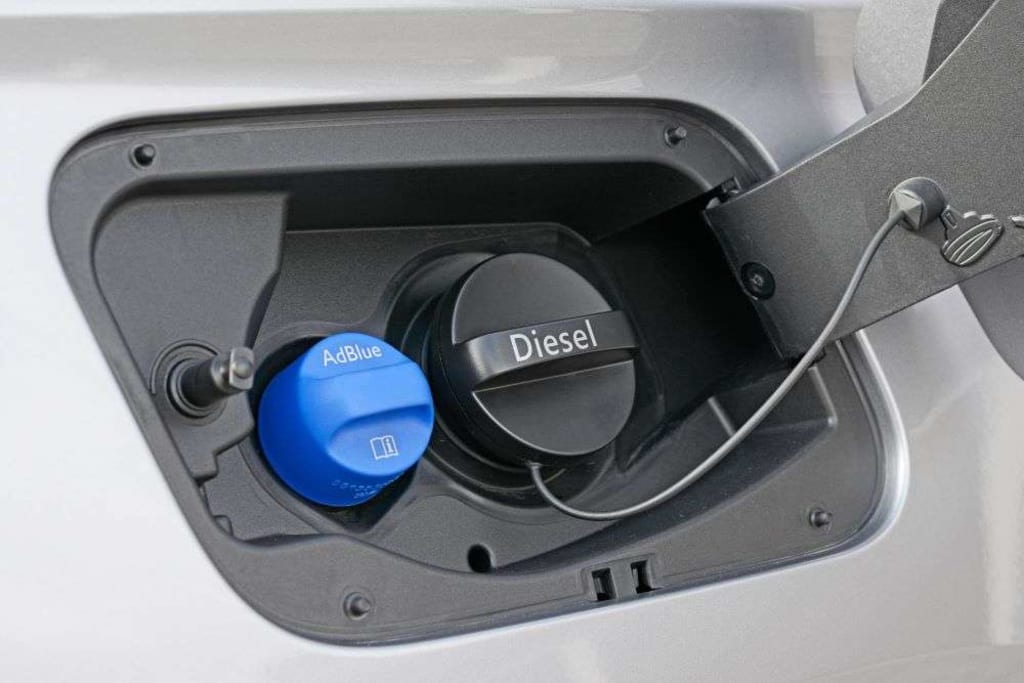
AdBlue is an essential component of modern diesel vehicles designed to reduce harmful nitrogen oxide (NOx) emissions. However, some vehicle owners remove the AdBlue system for various reasons, including cost savings and maintenance concerns. While AdBlue removal can have short-term benefits, it also comes with several risks and consequences that impact vehicle performance. In this blog, we will explore how AdBlue removal affects engine efficiency, fuel consumption, emissions and the legal implications of this modification.
What is AdBlue and How Does It Work?
AdBlue is a urea-based solution that uses Selective Catalytic Reduction (SCR) technology in diesel vehicles. AdBlue helps break down NOx emissions into harmless nitrogen and water vapour when injected into the exhaust system. This process significantly reduces pollution and ensures compliance with environmental regulations.
Reasons for AdBlue Removal
Some vehicle owners consider AdBlue removal for the following reasons:
- High Maintenance Costs: Regular refilling and potential repairs can be expensive.
- System Failures: AdBlue components, including injectors and pumps, may fail over time, leading to costly replacements.
- Performance Concerns: Some believe removing AdBlue may enhance power output and throttle response.
- Cold Weather Issues: In frigid climates, AdBlue can freeze, causing operational problems.
- Avoiding Refills: Eliminating the need to top up AdBlue frequently is convenient.
"BGJ Motorsport offers the best AdBlue removal service in West Midlands, ensuring improved vehicle performance, fuel efficiency, and reduced maintenance costs. Their expert team provides safe and reliable solutions while maintaining optimal engine functionality."
How AdBlue Removal Affects Vehicle Performance
1. Engine Efficiency and Power Output
One of the significant concerns with AdBlue removal is its effect on engine efficiency. The SCR system is designed to work alongside the engine, ensuring optimal combustion and reducing NOx emissions. Removing AdBlue may slightly alter engine performance, but the difference is negligible in most cases. However, some tuners modify the vehicle's Engine Control Unit (ECU) to compensate for the missing SCR system, which may increase engine power.
2. Fuel Consumption
A common belief is that AdBlue removal improves fuel economy. Fuel efficiency largely depends on how the vehicle is tuned post-removal. While some users report better mileage after AdBlue deletion, others experience no noticeable change or increased fuel consumption. This is because the engine is designed to work with the SCR system, and removing it may disrupt the optimal air-fuel ratio.
3. Emissions and Environmental Impact
One of the most significant drawbacks of AdBlue removal is the increase in NOx emissions. Without AdBlue, the SCR system becomes non-functional, significantly increasing pollutants released into the atmosphere. This contributes to environmental pollution and increases the risk of failing emission tests in regions with strict environmental laws.
4. Legal and Compliance Issues
AdBlue removal is illegal in many countries, including the United States, the UK, and several European nations. Authorities impose strict regulations on vehicle emissions, and tampering with emission control systems can result in heavy fines, legal penalties, or even vehicle impoundment. If you plan to remove AdBlue, ensure you understand the local laws and regulations before making any modifications.
5. Impact on Vehicle Longevity and Warranty
Manufacturers design diesel engines expecting AdBlue to be part of the system. Removing it may lead to unexpected wear and tear over time, potentially reducing your engine's lifespan. Additionally, most vehicle warranties become void if emission-related modifications are made, meaning you may have to pay out-of-pocket for any repairs.
Is AdBlue Removal Worth It?
While some drivers may experience short-term benefits, the long-term consequences of AdBlue removal far outweigh the advantages. The key considerations include:
- Short-Term Benefits: Reduced maintenance costs, fewer AdBlue refills, and minor performance improvements.
- Long-Term Risks: Increased emissions, potential legal troubles, voided warranties, and possible mechanical issues.
- Resale Value: A vehicle with removed AdBlue may be harder to sell, as buyers prefer legally compliant cars.
Conclusion
AdBlue removal is a controversial modification with potential benefits and significant drawbacks. While it may offer minor fuel savings and performance improvements, the environmental impact, legal consequences, and risks to vehicle longevity make it a risky choice. Before deciding to remove AdBlue, consider all aspects carefully and consult with a professional to understand the full implications of this modification.
About the Creator
Bgjmotor Sport
BGJ Motor Sports are specialists in the performance tuning of the vehicles engine management system. We develop all our own software in house which gives us endless flexibility to tune an engine to the customers' requirements.
Keep reading
More stories from Bgjmotor Sport and writers in Wheel and other communities.
What is Car Remapping? A Complete Guide for Beginners
Car remapping is a popular method to enhance a vehicle's performance by modifying the Engine Control Unit (ECU). If you're new to car remapping and wondering how it works, its benefits, and whether it's right for you, this guide will provide all the essential details.
By Bgjmotor Sport11 months ago in Art
Top 10 Pickup Trucks Every Aussie Should Consider in 2026
Choosing the right pickup truck can make a huge difference in daily life, whether you’re hauling gear for work, towing a trailer, or exploring the Australian outback. With 2026 just around the corner, several models are standing out for their performance, reliability, and features. In this guide, we’ll cover the top 10 pickup trucks that every Aussie should consider this year, helping you to pick the right vehicle for your daily life and long-term plans.
By Alec Johnson5 days ago in Wheel
Car Rental in Dubai for Tourists vs Residents: Key Differences
Both can legally rent cars, but the documentation required, insurance, rental costs, deposit requirements and legal obligations are very similar. Tourists often rent short term with more deposits and less insurance flexibility, while residents are at a lower rate, monthly rent, and better insurance. Understanding these differences can save you hidden charges, fines and coverage gaps.
By Sarath Menon5 days ago in Wheel
Miss Persephone's Manual to a Seemingly Ordinary Life
Miss Persephone was found at the dining table, her blue eyes swollen, her tears arriving and retreating like the tides of the ocean. Earlier that day, her family had visited her in the retirement home where she had lived for eight years. It was her eightieth birthday.
By Imola Tóth4 days ago in Fiction



Comments
There are no comments for this story
Be the first to respond and start the conversation.