
The Future of Transportation: Innovations and Transformations Shaping Tomorrow's Mobility
"From Flying Cars to Hyperloop: Revolutionizing How We Move"
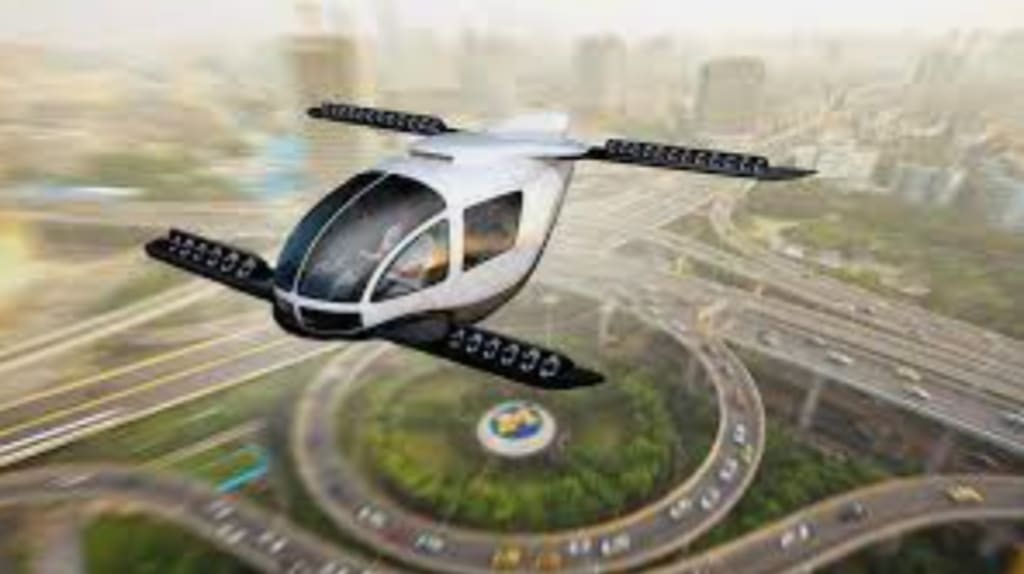
The future of transportation holds remarkable promise as innovative technologies and transformative ideas reshape the way we move and navigate our increasingly interconnected world. From the advent of flying cars and autonomous vehicles to the development of high-speed Hyperloop systems, the transportation landscape is undergoing a profound revolution. This new era of mobility is driven by the pressing need for sustainable and efficient transportation solutions, as well as the desire to enhance convenience, safety, and accessibility for individuals and communities worldwide.
Advancements in transportation technology are not only poised to revolutionize individual travel but also hold the potential to transform industries, logistics, urban planning, and the overall fabric of our societies. This article will delve into the key trends, breakthroughs, and concepts that are propelling us toward a future where transportation is faster, cleaner, safer, and more interconnected than ever before.
We will explore how electric and autonomous vehicles are reshaping the automotive industry and revolutionizing personal mobility. The integration of artificial intelligence (AI) and advanced sensors is empowering vehicles to navigate and make decisions independently, paving the way for safer and more efficient transportation networks.
Furthermore, we will examine the rise of alternative modes of transportation, including electric bicycles, scooters, and micromobility solutions that are redefining last-mile connectivity in urban areas. Additionally, we will discuss the potential of hyperloop systems, magnetic levitation (maglev) trains, and other high-speed rail technologies to transform long-distance travel, reducing travel times and improving connectivity between cities and regions.
In this exploration of the future of transportation, we cannot overlook the role of sustainable energy sources. The transition to electric vehicles and the development of renewable energy infrastructure are crucial components of a greener and more sustainable transportation ecosystem. We will examine the progress being made in this area and its impact on reducing carbon emissions and combating climate change.
Finally, we will touch upon the societal implications of these transportation advancements, including changes in urban planning, commuting patterns, and the potential for greater inclusivity and accessibility. We will address the challenges that must be overcome, such as infrastructure development, regulations, and public acceptance, to fully realize the potential of these transformative technologies.
As we embark on this journey into the future of transportation, it becomes evident that the possibilities are both exciting and transformative. The convergence of technology, sustainability, and connectivity is driving us toward a new era of mobility that promises to reshape our lives, our communities, and our world. Join us as we delve into the innovations and transformations that will define the transportation landscape of tomorrow.
The future of transportation is set to be characterized by groundbreaking innovations and transformative changes that will revolutionize how we move and interact with our surroundings. This overview provides a glimpse into some of the key aspects that will shape the transportation landscape of tomorrow.
1. Electric and Autonomous Vehicles: The widespread adoption of electric vehicles (EVs) is gaining momentum, leading to reduced emissions and a shift away from fossil fuel dependency. Alongside this, autonomous vehicles are becoming increasingly sophisticated, with advancements in AI and sensor technologies enabling self-driving capabilities. This convergence of electric and autonomous vehicles promises safer, more efficient, and environmentally friendly transportation.
2. Alternative Modes of Transportation: The rise of alternative modes of transportation, such as electric bicycles, scooters, and micromobility solutions, is transforming urban mobility. These options provide convenient and eco-friendly alternatives for short-distance travel, improving connectivity and reducing traffic congestion in cities.
3. High-Speed Rail and Hyperloop: The development of high-speed rail systems, such as magnetic levitation (maglev) trains and Hyperloop technology, aims to revolutionize long-distance travel. These ultra-fast transportation systems have the potential to significantly reduce travel times, enhance connectivity between cities and regions, and redefine the concept of commuting and intercity transportation.
4. Sustainable Energy and Infrastructure: The future of transportation is closely tied to sustainable energy sources. The transition to electric vehicles is driving the need for robust charging infrastructure, while renewable energy solutions are being integrated to power transportation networks. These efforts contribute to reducing carbon emissions and addressing climate change concerns.
5. Urban Planning and Accessibility: The future of transportation will influence urban planning and the design of cities. With the advent of new mobility options, there is an opportunity to create more sustainable and people-centric urban environments, emphasizing walkability, bike-friendly infrastructure, and improved public transportation systems. Accessibility for all individuals, including those with disabilities, will also be a key consideration.
6. Challenges and Considerations: As we embrace the future of transportation, several challenges need to be addressed. These include developing the necessary infrastructure to support new technologies, establishing regulations and safety standards for autonomous vehicles, ensuring data privacy and cybersecurity, and addressing concerns regarding job displacement in certain sectors.
In conclusion, the future of transportation holds immense potential to revolutionize how we move, connect, and live in our increasingly interconnected world. Electric and autonomous vehicles, alternative modes of transportation, high-speed rail, sustainable energy solutions, urban planning, and accessibility considerations are all vital aspects that will shape this future. By overcoming challenges and embracing transformative ideas, we can create a transportation ecosystem that is more efficient, sustainable, and inclusive, ultimately improving the quality of life for individuals and communities worldwide.
About the Creator
Keep reading
More stories from Muskan Malik and writers in Wheel and other communities.
Revolutionising Finance: Unleashing the Power of Cryptocurrencies and Blockchain Technology
Welcome to the fascinating world of cryptocurrencies and blockchain technology! In recent years, these innovative concepts have captured the attention of individuals, businesses, and governments worldwide, revolutionizing the way we perceive and engage with finance, transactions, and security.
By Muskan Malik3 years ago in Education
Road Trips and the Reality of Animal Collisions
Road trips — what can be a better way to enjoy a holiday? Get together with your family or friends, pack all your things in your SUV or a van, load up some music you like, and set off for a big adventure. Driving through highways, watching the scenery change with little towns and mountains flying by.
By Michal Grayena day ago in Wheel
My First Time Skiing and I Got Lost, Alone, in the French Alps
Looking back, I can trace some of my life’s biggest adventures to a simple action from my sister. She’d introduced me to Tommy (a very long time ago), a colleague of hers, who had overshared his penchant for Italian-looking women, and I ticked that box.
By Chantal Christie Weissa day ago in Humans




Comments
There are no comments for this story
Be the first to respond and start the conversation.