
The Future of Sustainable Transportation
The Environmental Imperative: Transitioning to Sustainable Transportation The Rise of Electric Vehicles: Advancements and Challenges Beyond Electric: Exploring Alternative Fuel Sources for Transportation Driving Towards Autonomy: How Self-Driving Cars Impact Sustainability Building Smart Cities: Infrastructure and Urban Planning for Sustainable Transportation Policy Power: Government Initiatives and Regulations for Green Transportation Navigating the Transition: Overcoming Challenges in Sustainable Transportation The Triple Bottom Line: Socioeconomic Benefits of Sustainable Transportation From Traffic Jams to Clean Air: Public Health Impacts of Green Transportation

Introduction:
As the world grapples with the urgent need to address climate change and reduce carbon emissions, the future of sustainable transportation emerges as a beacon of hope. With innovative technologies and a shift in societal attitudes, the transportation sector is undergoing a profound transformation towards cleaner and more efficient modes of mobility. In this article, we will explore the exciting developments and potential pathways that will shape the sustainable transportation landscape in the years to come.
Electric Vehicles: Accelerating the Transition:
One of the most prominent aspects of sustainable transportation is the rise of electric vehicles (EVs). Over the past decade, EVs have surged in popularity, with major automakers investing heavily in their development. Advancements in battery technology, such as higher energy density and faster charging, have contributed to longer ranges and increased convenience for EV owners.
The future holds even greater promise for EVs. Continued research and development efforts are likely to result in more affordable and efficient batteries, making EVs accessible to a wider range of consumers. Additionally, the expansion of charging infrastructure, including fast-charging stations and home charging solutions, will alleviate range anxiety and accelerate the adoption of EVs.
Autonomous Vehicles: Revolutionizing Mobility:
Another transformative force in sustainable transportation is the emergence of autonomous vehicles (AVs). While still in the early stages of development and deployment, AVs hold tremendous potential to reshape our transportation systems. These self-driving vehicles have the capacity to optimize traffic flow, reduce congestion, and improve fuel efficiency.
Shared autonomous vehicles, in particular, have the power to revolutionize urban mobility. By leveraging on-demand ride-sharing services, people can reduce their reliance on private cars and choose sustainable transportation options. This shift can alleviate traffic congestion, reduce the number of vehicles on the road, and lower emissions significantly.
Integration of Renewable Energy: Powering the Future:
A key element in achieving a sustainable transportation future is the integration of renewable energy sources. The coupling of renewable energy generation with transportation can lead to a substantial reduction in greenhouse gas emissions. Solar panels integrated into EVs and charging infrastructure, as well as wind and solar-powered charging stations, offer cleaner alternatives to conventional energy sources.
Furthermore, the development of vehicle-to-grid (V2G) technology enables EVs to act as mobile energy storage units. During peak renewable energy generation, EVs can store excess electricity and feed it back to the grid during high-demand periods. This bidirectional energy flow not only supports grid stability but also facilitates the wider adoption of renewable energy sources.
Expanded Public Transportation: Connecting Communities:
Enhanced public transportation systems play a vital role in the sustainable transportation ecosystem. Investments in high-speed rail, efficient bus networks, and well-connected transit systems can encourage individuals to choose public transportation over private vehicles. By providing reliable, convenient, and eco-friendly alternatives, we can significantly reduce congestion and lower emissions.
Moreover, the integration of smart technologies and real-time data analysis can optimize public transportation operations. Predictive analytics, intelligent routing, and improved passenger information systems can enhance efficiency and make public transportation more attractive to commuters.
Alternative Fuels: Diversifying the Energy Mix:
While EVs dominate discussions on sustainable transportation, alternative fuels also deserve attention. Hydrogen-powered vehicles, for instance, emit only water vapor and offer long driving ranges, making them a compelling option for specific use cases. Additionally, biofuels derived from renewable sources can serve as a cleaner substitute for traditional fossil fuels, significantly reducing carbon emissions.
Active Transportation and Micromobility Solutions: Healthier and Greener Cities:
Encouraging active transportation, such as walking and cycling, can foster greener and healthier cities. Investments in pedestrian-friendly infrastructure, dedicated cycling lanes, and bike-sharing programs promote a shift towards sustainable modes of travel for short-distance journeys. Micromobility
About the Creator
Keep reading
More stories from Hesham Shahid and writers in Wheel and other communities.
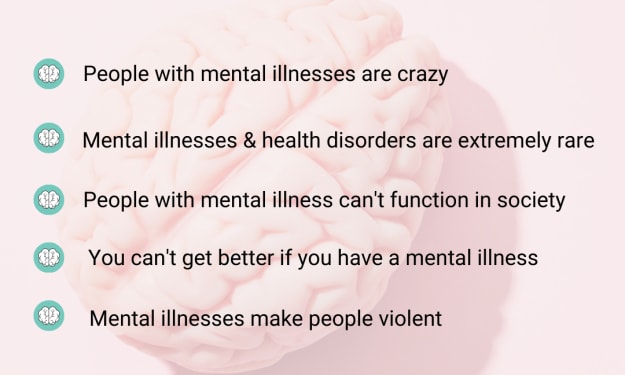
Understanding Mental Health: Breaking the Stigma and Seeking Support
Introduction : Mental health is a fundamental aspect of our overall well-being, yet it remains shrouded in silence and stigma. To create a compassionate and inclusive society, we must embark on a journey of understanding mental health, breaking down the barriers of stigma, and embracing the support available to us. In this blog, we will explore the significance of understanding mental health, the detrimental effects of stigma, and the importance of seeking support. By raising awareness, challenging misconceptions, and fostering a supportive environment, we can pave the way for a brighter future where mental health is prioritized and celebrated.
By Hesham Shahid3 years ago in Humans
A System That Isn’t Working Challenge Winners
Systems promise order. They organize behavior, distribute opportunity, and suggest that if everyone follows the rules, things will work. The entries in A System That Isn’t Working look closely at what happens when that promise begins to slip.
By Vocal Curation Teamabout 20 hours ago in Resources



Comments
There are no comments for this story
Be the first to respond and start the conversation.