
The Future of HD Car Cameras: Innovations and Trends to Watch
Exploring the Latest Advances in HD Car Cameras and the Emerging Trends Shaping Vehicle Surveillance Technology.
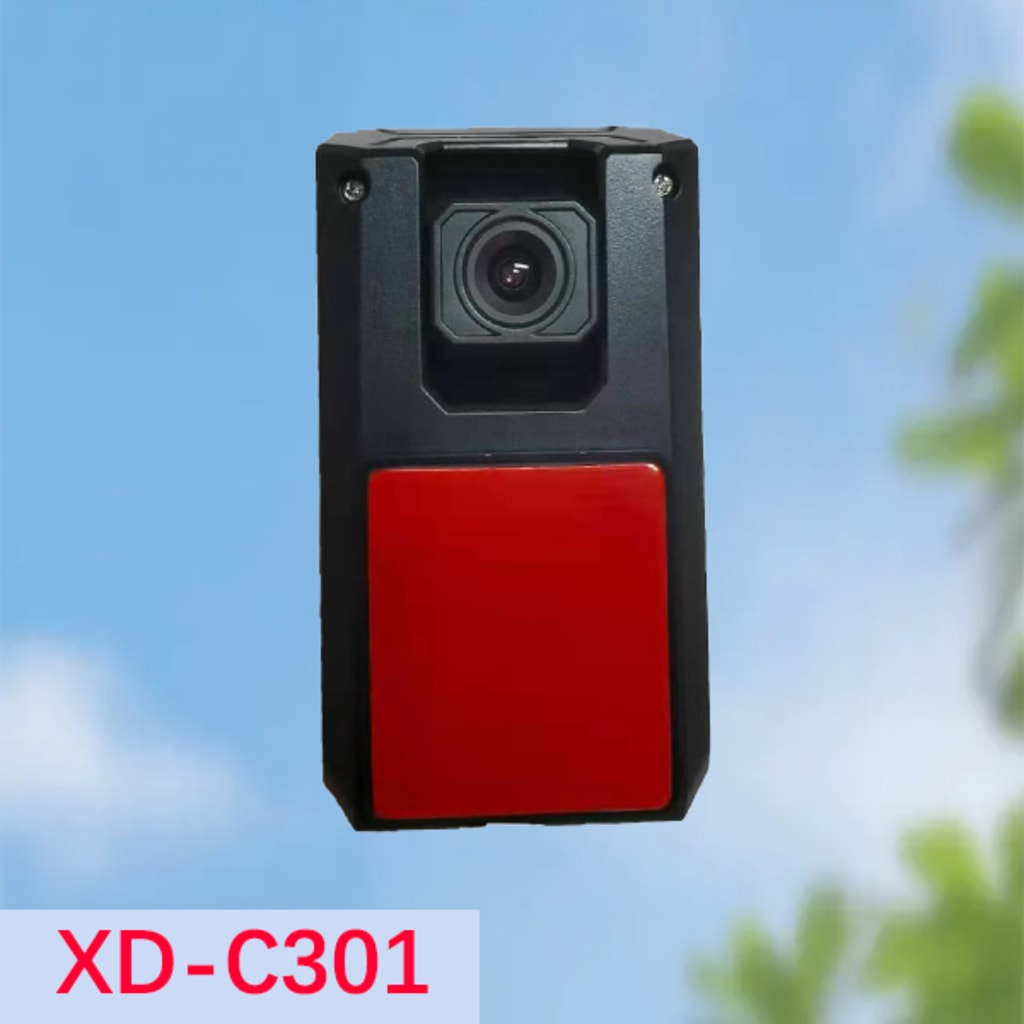
As technology continues to evolve, the automotive industry has been at the forefront of adopting innovations that enhance driving safety, convenience, and efficiency. Among these advancements, high-definition (HD) car cameras have become a critical component, providing drivers with improved visibility, recording capabilities, and advanced safety features. The future of HD car cameras promises even more sophisticated innovations, driven by the integration of cutting-edge technologies.
Here’s a guide to the latest trends and innovations in car camera technology, highlighting how they are shaping the future of driving safety.
Blind Spot Detection (BSD)
Blind Spot Detection (BSD) is a critical feature that has been integrated into HD car cameras. Blind spots are areas around a vehicle that are not visible to the driver through the rearview or side mirrors, posing a significant risk when changing lanes or merging onto highways. BSD systems use HD cameras mounted on the sides of the vehicle to monitor these blind spots continuously.
When a vehicle or object is detected in a blind spot, the BSD system alerts the driver through visual or auditory signals. This technology not only enhances driver awareness but also reduces the likelihood of collisions caused by blind spot-related incidents. As HD cameras continue to improve in resolution and processing speed, BSD systems are expected to become even more accurate and reliable.
Advanced Driver Assistance Systems (ADAS)
Advanced Driver Assistance Systems (ADAS) represent a suite of technologies designed to assist drivers in making informed decisions and taking appropriate actions while driving. HD car cameras play a central role in enabling various ADAS features, such as lane departure warnings, collision avoidance, and adaptive cruise control.
Lane departure warning systems, for example, rely on HD cameras to monitor lane markings and detect any unintended lane drift. If the system detects that the vehicle is veering out of its lane without signaling, it alerts the driver to correct the course. Similarly, collision avoidance systems use HD cameras to detect potential obstacles or vehicles in the path and automatically apply the brakes if the driver fails to respond in time.
Adaptive cruise control is another ADAS feature that benefits from HD camera technology. This system adjusts the vehicle's speed based on the distance to the vehicle ahead, ensuring a safe following distance. The HD camera continuously monitors the traffic conditions and provides input to the adaptive cruise control system to maintain optimal speed and distance.
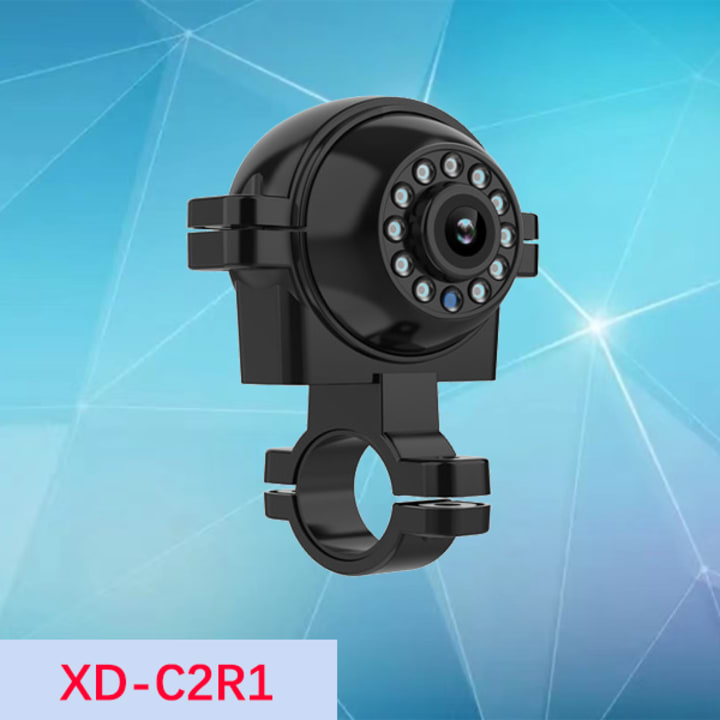
Driver Monitoring Systems (DMS)
Driver Monitoring Systems (DMS) are becoming increasingly important as concerns about driver distraction and fatigue continue to rise. DMS uses HD cameras to monitor the driver’s behavior and detect signs of inattention, drowsiness, or distraction. The camera is typically mounted on the dashboard and focuses on the driver’s face and eyes.
Advanced DMS systems can track eye movements, blink rates, and head position to assess the driver’s level of alertness. If the system detects that the driver is not paying attention to the road or is showing signs of drowsiness, it issues warnings to prompt the driver to take a break or refocus on driving. Some DMS systems are also equipped with facial recognition technology to identify the driver and adjust vehicle settings, such as seat position and mirror angles, accordingly.
4K Ultra HD Resolution
The trend towards higher resolution continues, with 4K Ultra HD cameras gaining traction in the automotive industry. 4K cameras offer significantly higher image quality compared to traditional HD cameras, providing sharper and more detailed visuals. This is particularly beneficial for capturing critical details, such as license plates, road signs, and small objects on the road.
The increased resolution also enhances the accuracy of AI-based image recognition systems, allowing them to detect and analyze objects with greater precision. While 4K cameras require more storage capacity and processing power, advancements in data compression and cloud storage solutions are making it easier to manage the large volumes of data generated by these cameras.
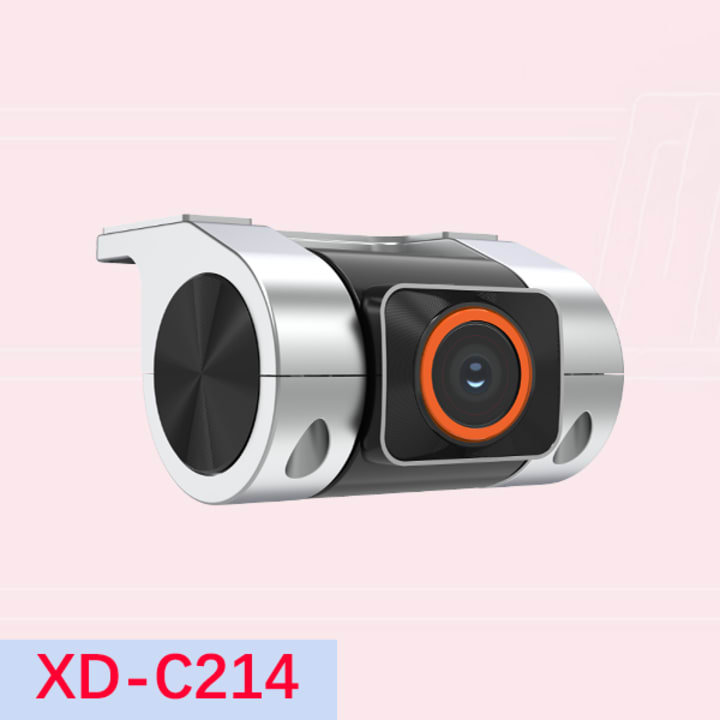
Night Vision and Low-Light Performance
Improving night vision and low-light performance is a key area of focus for HD car camera manufacturers. Traditional cameras often struggle to capture clear images in low-light conditions, which can compromise safety during nighttime driving. To address this challenge, new HD cameras are being equipped with infrared sensors and enhanced image processing algorithms that enable better visibility in the dark.
Some advanced night vision systems use thermal imaging technology to detect heat signatures from pedestrians, animals, and other vehicles, providing drivers with an additional layer of safety. As night vision technology continues to improve, HD car cameras will be able to deliver clearer and more reliable visuals in all lighting conditions.
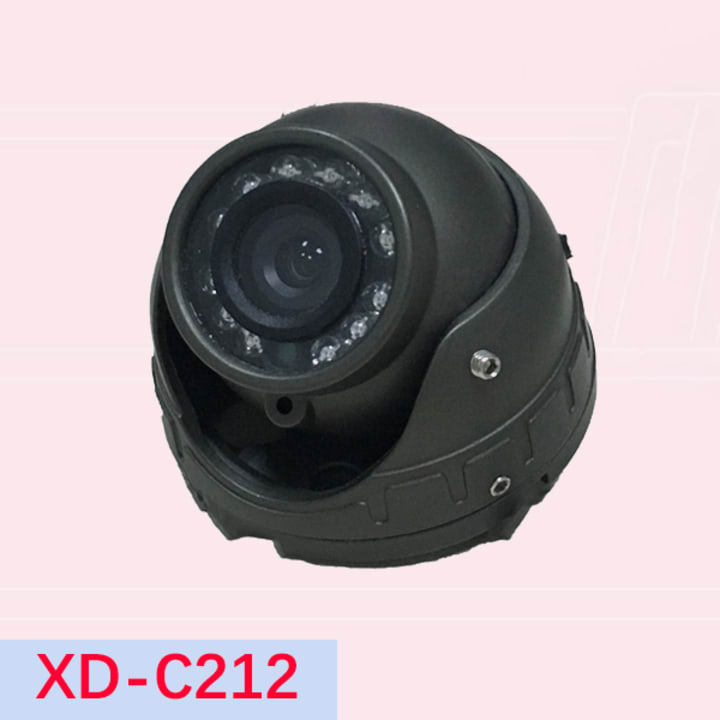
Integration with Connected and Autonomous Vehicles
The future of HD car cameras is closely tied to the development of connected and autonomous vehicles. As vehicles become more connected, HD cameras will play a critical role in enabling vehicle-to-vehicle (V2V) and vehicle-to-infrastructure (V2I) communication. HD cameras will provide real-time data on traffic conditions, road hazards, and other environmental factors, allowing connected vehicles to make informed decisions and optimize their driving strategies.
In autonomous vehicles, HD cameras are an essential component of the sensor suite that enables self-driving capabilities. These cameras work in conjunction with lidar, radar, and other sensors to provide a comprehensive view of the vehicle’s surroundings. AI algorithms process the data captured by HD cameras to identify objects, interpret traffic signals, and navigate complex driving scenarios.
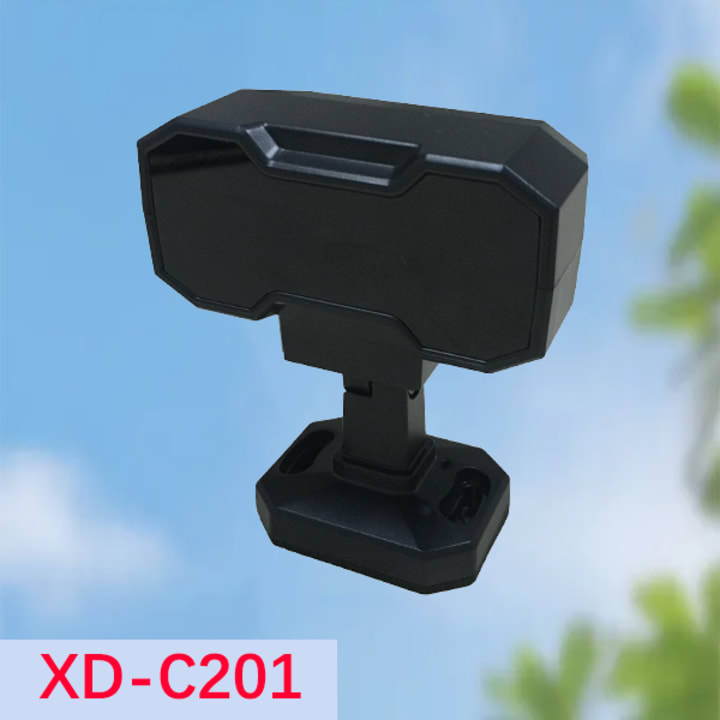
Explore the future of driver, vehicle, and road safety with MacFaith E-Technology Co., Ltd.'s cutting-edge HD car cameras and video recorders. Their advanced vehicle surveillance solutions, featuring AI-powered systems like advanced driver assistance system, DMS, and BSD, provide comprehensive monitoring for all types of vehicles. Whether you're protecting commercial fleets or private vehicles, their HD car cameras, integrated with mobile DVR camera system, offer crystal-clear visibility and peace of mind.
Contact them for more information about their auto dvr camera system and DVR camera systems for cars, including vehicle blackbox dvr full hd 1080p, rear view mirror car recorder 1080p, security cameras for cars online, and car video recorder.
About the Author
Alex Chen is a technology writer specializing in automotive safety and surveillance systems, with a focus on the latest innovations in HD car camera technology.
About the Creator
Keep reading
More stories from Amanda Jones and writers in Wheel and other communities.
The Real Cost of Owning a Car in 2026 — What Most Drivers Don’t Expect
Owning a car has long been seen as a symbol of convenience and independence. For many people, it is simply part of daily life. You buy a car, pay for fuel, and drive where you need to go. However, as we move into 2026, the true cost of owning a car is becoming more complex than many drivers expect. While the purchase price often gets the most attention, it is usually the ongoing and less obvious expenses that slowly influence your finances year after year. Understanding these costs can help drivers make smarter decisions and avoid financial surprises.
By Austin Peck7 days ago in Wheel
The Volkswagen T1 Camper Van Decanter Whiskey Bottle
Get it on : https://apparelabyssbrand.com/product/volkswagen-t1-camper-van-decanter-whiskey-bottle/ The Ultimate Blend of Nostalgia and Spirits: The Volkswagen T1 Camper Van Whiskey DecanterFor decades, the Volkswagen T1 Camper Van—affectionately known as the "Bus" or the "Bulli"—has been a global symbol of freedom, adventure, and the "Van Life" spirit. Today, that iconic silhouette has found a new home: not on the open road, but on the top shelf of the world’s most stylish home bars. The Volkswagen T1 Camper Van Whiskey Decanter is a stunning piece of functional art that captures the heart of 1960s counter-culture and pours it into a glass of premium bourbon or scotch.A Design That Drives ConversationAt first glance, these decanters are a masterclass in detail.
By gia ton hanha day ago in Wheel



Comments
There are no comments for this story
Be the first to respond and start the conversation.