
Tesla Car Sales Dropped 9% in 2025, Falling Behind China’s BYD
Tesla Faces Market Challenges as BYD Gains Ground in Global EV Race

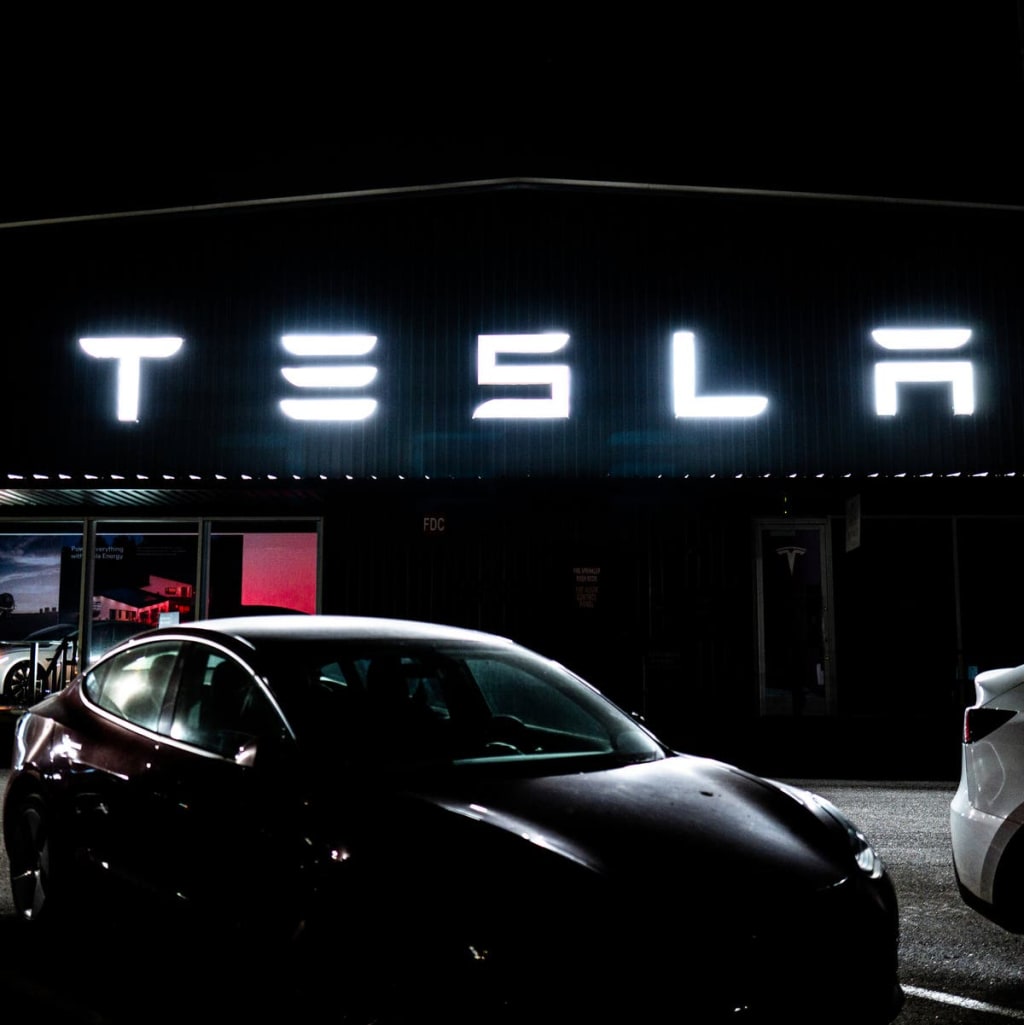
Tesla, once the uncontested leader in electric vehicles (EVs), has experienced a notable decline in global sales, reporting a 9% drop in 2025. The reduction in deliveries has allowed Chinese automaker BYD to surpass Tesla in annual EV sales, signaling a significant shift in the competitive landscape of the electric vehicle market.
This development underscores both Tesla’s growing challenges in a rapidly evolving sector and the rise of global EV competitors, particularly from China, which has steadily expanded its footprint in both domestic and international markets.
Tesla’s Sales Decline: Numbers and Context
According to recent reports, Tesla’s worldwide EV deliveries in 2025 fell by approximately 9% compared to 2024, marking a rare contraction for the company. The drop spans multiple markets, including the U.S., Europe, and Asia, where Tesla has traditionally maintained a strong presence.
While Tesla remains a dominant EV brand, the decline comes at a time when competition is intensifying. BYD, known for its electric cars and plug-in hybrids, has leveraged a combination of affordability, diverse models, and strong domestic support to take the lead. In 2025, BYD sold more vehicles globally than Tesla, a milestone that reflects both China’s growing influence in the EV sector and the changing dynamics of consumer preferences.
Factors Behind Tesla’s Sales Drop
Several key factors have contributed to Tesla’s sales decline:
1. Rising Competition:
Global EV markets are increasingly crowded, with companies such as BYD, Nio, Xpeng, and traditional automakers offering competitive electric vehicles at various price points. BYD’s broad product lineup has particularly resonated with budget-conscious consumers in China and other emerging markets.
2. Economic Challenges:
Inflation, supply chain disruptions, and fluctuating consumer confidence have affected vehicle purchases worldwide. In some regions, potential buyers have delayed purchases or opted for more affordable EV alternatives.
3. Price Increases and Model Availability:
Tesla has periodically adjusted pricing across its lineup, which may have discouraged some customers, especially as more competitive options emerge. Additionally, limited availability of certain models, such as the Cybertruck and updated Model S and Model X versions, may have contributed to slower sales.
4. Regulatory Changes:
Incentives for electric vehicles vary by country. While some governments continue to subsidize EV adoption, others have reduced incentives, making vehicles like Tesla more expensive relative to local competitors.
BYD’s Rise: How China’s Automaker Took the Lead
BYD, short for Build Your Dreams, has steadily grown into a global EV powerhouse. Several factors explain its rapid ascent:
Diverse Vehicle Lineup: From affordable compact EVs to luxury options, BYD caters to a wide spectrum of buyers.
Strong Domestic Market: China remains the world’s largest EV market, providing BYD with significant volume advantages.
Technological Innovation: BYD invests heavily in battery technology and vehicle design, producing high-performing vehicles with competitive range and features.
International Expansion: The company has expanded into Europe, Latin America, and parts of Asia, further boosting sales.
BYD’s approach demonstrates a strategic blend of affordability, quality, and innovation, allowing it to surpass Tesla in global deliveries for the first time.
Impact on Tesla and the Global EV Market
Tesla’s sales drop is more than a statistic—it reflects a shift in the global EV ecosystem. Analysts suggest that Tesla can no longer rely solely on brand recognition and first-mover advantage. Competition is forcing the company to innovate faster, manage pricing strategically, and expand production in new markets.
At the same time, BYD’s rise illustrates the emergence of Chinese EV manufacturers as global leaders, capable of challenging Western brands on quality, performance, and market share. The shift may also influence government policies, partnerships, and investment decisions in the automotive sector worldwide.
Tesla’s Response and Future Outlook
Tesla remains committed to growth and innovation. CEO Elon Musk has highlighted ongoing investments in new factories, battery technology, and AI-powered vehicle features. Plans for expanded production in Texas, Germany, and Shanghai aim to address demand more efficiently and reduce delivery delays.
Additionally, Tesla continues to focus on software updates, autonomous driving technology, and energy solutions—areas where it can differentiate from competitors. While the 2025 sales drop is a setback, Tesla’s long-term strategy emphasizes innovation and global expansion, suggesting potential recovery and renewed market leadership in the coming years.
Conclusion
Tesla’s 9% decline in global car sales and BYD’s overtaking mark a pivotal moment in the EV industry. The market is no longer dominated by a single player; instead, competition is intensifying, with Chinese manufacturers, especially BYD, gaining substantial ground.
For Tesla, the challenge lies in balancing pricing, innovation, and production efficiency while navigating evolving consumer expectations. Meanwhile, BYD’s growth signals that the EV market has become a truly global contest, with no single automaker guaranteed dominance. As 2026 unfolds, the race for electric vehicle supremacy promises to be more dynamic and competitive than ever, reshaping the future of transportation worldwide.
About the Creator
Asad Ali
I'm Asad Ali, a passionate blogger with 3 years of experience creating engaging and informative content across various niches. I specialize in crafting SEO-friendly articles that drive traffic and deliver value to readers.
Road Trips and the Reality of Animal Collisions
Road trips — what can be a better way to enjoy a holiday? Get together with your family or friends, pack all your things in your SUV or a van, load up some music you like, and set off for a big adventure. Driving through highways, watching the scenery change with little towns and mountains flying by.
By Michal Grayen3 days ago in Wheel




Comments
There are no comments for this story
Be the first to respond and start the conversation.