
Roofing Materials Professional Roofers Recommend
Expert Tips from Roofers on Climate-Specific Roofing Materials

Choosing the right roofing material is a decision that significantly impacts a building’s durability, energy efficiency, and overall cost. Professional roofers consider climate conditions a critical factor when recommending materials because each region has unique weather challenges. Roofing materials that work well in one environment may fail prematurely in another. Understanding what materials professional roofers recommend for different climates can save homeowners and business owners money and provide long-term peace of mind.
How Climate Influences Roofing Choices
Every climate presents distinct challenges for roofs, requiring expert knowledge to match the correct material to the specific environment. For instance, a roofing contractor shared an example of recommending metal roofs to a homeowner in a hot, dry climate due to their excellent heat resistance and longevity. These decisions aren't one-size-fits-all; they rely on understanding weather patterns, local building codes, and the needs of the property owner.
- Extreme heat may cause warping in materials like wood and asphalt.
- Freezing temperatures can crack clay tiles or other rigid materials.
- High humidity fosters algae growth and requires specific resistant coatings.
Roofing Materials for Scorching Climates
Hot climates demand roofing materials that can reflect sunlight and withstand high temperatures. Metal roofs, clay tiles, and cool roof coatings stand out as top recommendations from professionals. These materials not only keep interiors cooler but also reduce energy bills significantly. For example, clay tiles are known for their exceptional thermal properties, and metal roofs can reflect up to 70% of solar radiation.
- Clay tiles provide natural insulation, making them ideal for desert areas.
- Metal roofs with reflective coatings excel in preventing heat absorption.
- Cool roof systems reduce urban heat islands, benefiting both homeowners and communities.
Best Roofing for Cold Weather Regions
Roofing in freezing climates must handle heavy snow loads, ice accumulation, and temperature fluctuations. Professional roofers often suggest materials like slate, synthetic shingles, or asphalt shingles treated with enhanced durability. These options prevent leaks caused by ice dams and ensure the roof withstands extreme cold for decades.
- Slate roofs offer unparalleled durability but may require reinforced structures.
- Synthetic shingles are lightweight and mimic natural materials without the high cost.
- Asphalt shingles with a strong sealant help resist water infiltration during thaws.
Humid Climates and Mold-Resistant Roofs
High humidity demands roofing materials that resist moisture and discourage mold or algae growth. Professional roofers frequently recommend algae-resistant asphalt shingles, metal roofs, or slate because of their ability to combat damp conditions. For homes near coastal areas, this resistance becomes even more critical.
- Algae-resistant shingles maintain curb appeal by reducing discoloration.
- Metal roofs withstand salty air, a common issue in tropical regions.
- Slate resists moisture naturally, making it an excellent option for humid locations.
Storm-Ready Roofs for Windy Areas
Regions prone to high winds, hurricanes, or tornadoes require roofing materials that meet strict building codes and survive extreme weather. Impact-resistant shingles, concrete tiles, and standing seam metal roofs are popular choices due to their ability to stay intact during storms. Roofers often advise homeowners to invest in reinforced fastening systems for added security.
- Impact-resistant shingles can withstand debris, minimizing storm damage.
- Concrete tiles stay in place, even in hurricane-force winds.
- Standing seam metal roofs prevent water penetration during heavy rains.
Roofing Materials for Coastal Properties
Coastal climates bring salt-laden air, strong winds, and heavy rain, which can degrade many roofing materials quickly. Professional roofers recommend treated wood shakes, fiberglass asphalt shingles, or durable metal roofing for properties near the shore. These materials are designed to handle salt corrosion and fluctuating temperatures.
- Fiberglass shingles provide a cost-effective barrier against harsh elements.
- Metal roofs with specialized coatings prevent rusting, extending their lifespan.
Sustainable Roofing Options for Every Climate
Eco-conscious homeowners are increasingly asking about sustainable roofing options that align with their values. Professional roofers often suggest green roofs, recycled shingles, and solar panels as environmentally friendly alternatives. These materials not only reduce environmental impact but also offer energy savings and government incentives in some regions.
- Green roofs create natural insulation, reducing urban heat effects.
- Recycled shingles divert waste, making them an ethical choice.
- Solar panels generate renewable energy, lowering utility costs.
How Roofers Choose Materials for Clients
Roofers approach material recommendations by assessing multiple factors, including the property’s location, the owner’s budget, and the architectural design of the building. They evaluate the slope of the roof, local building regulations, and long-term maintenance needs to suggest the best fit. This comprehensive assessment ensures that the roofing materials chosen meet both functional and aesthetic goals.
- Roof slope affects material suitability, especially for snow runoff.
- Local building codes dictate safety standards, ensuring compliance.
- Aesthetic preferences guide material choice, blending function with style.
Benefits of Consulting Professional Roofers
Expert roofers offer invaluable guidance that extends beyond installation. They ensure materials are properly installed, durable, and energy-efficient, reducing long-term repair costs. Their expertise also helps homeowners access warranties and insurance benefits that provide peace of mind.
- Correct installation extends the roof’s lifespan, saving money.
- Warranties protect against defects, offering long-term security.
- Energy-efficient options reduce utility bills, benefiting both the homeowner and the environment.
Key Takeaways About Roofing Materials for Roofers
Selecting the right roofing material depends heavily on the climate. Homeowners and business owners benefit from consulting professional roofers, who bring experience and knowledge to the decision-making process. By understanding the impact of local weather and using suitable materials, roofs can last longer, perform better, and save money over time.
- Hot climates benefit from reflective materials, like metal or clay tiles.
- Cold regions need durable options, such as slate or synthetic shingles.
- Humid areas require mold-resistant solutions, including algae-resistant shingles or slate.
- Coastal environments demand corrosion-resistant materials, such as treated wood shakes or fiberglass shingles.
- Sustainable options offer eco-friendly solutions, including green roofs and solar panels.
Frequently Asked Questions About Roofing Materials and Roofers
What is the best roofing material for hot climates?
Metal roofs and clay tiles are ideal due to their heat resistance and energy efficiency. Cool roof coatings are also effective in reducing indoor temperatures.
How do roofers handle roofing for extreme weather areas?
Roofers use impact-resistant shingles, concrete tiles, or reinforced metal roofs to ensure durability and compliance with local building codes.
Are metal roofs suitable for humid climates?
Yes, metal roofs with specialized coatings resist moisture and algae growth, making them a durable choice for high-humidity regions.
What makes slate a good choice for cold climates?
Slate is highly durable, offers excellent insulation, and can handle heavy snow loads without cracking.
Can sustainable roofing materials work in extreme climates?
Yes, options like recycled shingles and solar panels are designed to withstand various weather conditions while reducing environmental impact.
About the Creator
Keep reading
More stories from Piper Burch and writers in Wheel and other communities.
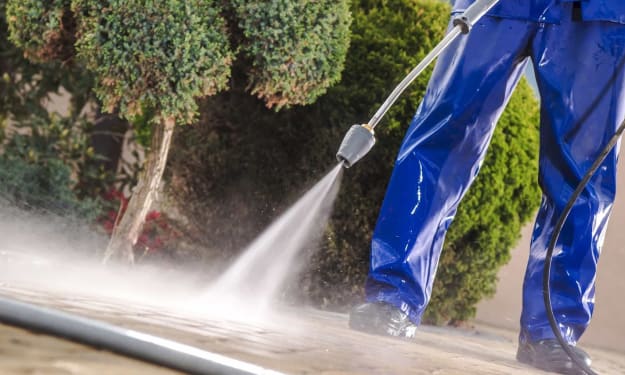
Key Differences Between Pressure Washing and Soft Washing
Pressure washing and soft washing are two highly effective techniques used to clean a wide range of surfaces, but their differences often confuse property owners. Each method offers distinct advantages, and understanding which one to use can prevent surface damage while providing optimal cleaning results. Pressure washing relies on high-powered water streams, whereas soft washing incorporates a gentler spray with eco-friendly cleaning agents. Learning about these methods equips homeowners and businesses to make informed, confident decisions.
By Piper Burchabout a year ago in Wheel
5 Best Food Choices at Auto Shows
Attending an auto show is an exciting experience filled with gleaming vehicles, innovative technology, and hours of walking through massive exhibition halls. With so much to see, you need the right fuel to keep your energy levels high. Here are five of the best food choices to enjoy during your next auto show visit.
By Karter Odinabout 23 hours ago in Wheel
Unofficial Challenge: Black History Celebration
Forward: February 28th, 10:53 PM, EST... The final hour of Black History Month, 2026. Hello fellow writers. I've had this challenge waiting in my drafts for most of the month. But I held off on publishing it, until now.
By Sam Spinelli4 days ago in Writers



Comments
There are no comments for this story
Be the first to respond and start the conversation.