
Pop Culture Analysis
The Reflection of Society in TV Shows, Films, and Books

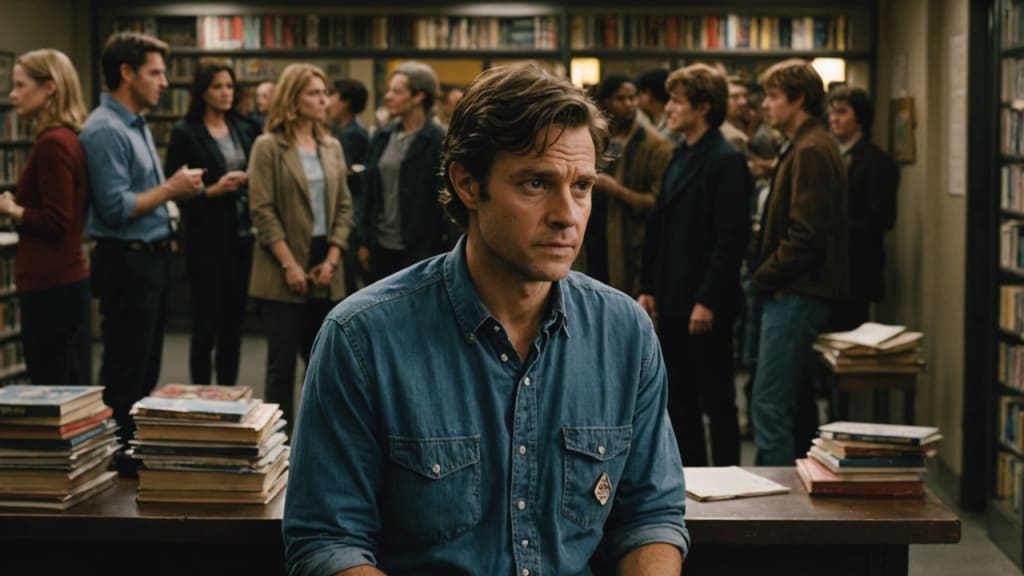
In the kaleidoscopic world of pop culture, television shows, films, and books serve as mirrors reflecting the complexities of contemporary society. They don't just entertain; they educate, provoke thought, and often incite change. The intertwining of media narratives and real-world social issues has never been more pronounced, making pop culture a rich field for analysis. This article will delve into the social and psychological trends that manifest in popular media, examining how they reflect and influence the zeitgeist of our times.
The Rise of the Anti-Hero
One of the most notable trends in modern television is the emergence of the anti-hero. Characters like Walter White from Breaking Bad, Tony Soprano from The Sopranos, and Dexter Morgan from Dexter are emblematic of this shift. These flawed protagonists challenge traditional notions of morality, blurring the lines between good and evil. This phenomenon reflects a broader societal ambivalence toward authority and conventional morality, as many individuals grapple with the complexities of their own identities in a rapidly changing world.
The anti-hero narrative often resonates with audiences who feel disillusioned by the structures of power and privilege. As social trust erodes, viewers find themselves drawn to characters who embody the struggles and moral ambiguities of their own lives. The appeal of these characters lies not in their heroic deeds, but in their imperfections, making them relatable in an age where perfection seems increasingly unattainable.
The Role of Streaming Services
The advent of streaming services like Netflix, Hulu, and Amazon Prime has revolutionized how we consume media. Binge-watching has become a cultural phenomenon, fundamentally altering our relationship with television. Shows like Stranger Things, The Crown, and The Queen’s Gambit have found immense success by allowing audiences to immerse themselves in entire seasons at once.
This shift in consumption patterns ties into broader social trends of immediacy and gratification. In a world where instant access is the norm, the traditional model of weekly episode releases feels outdated. Moreover, streaming services provide a platform for diverse stories, allowing underrepresented voices to shine. This democratization of content reflects an evolving society that increasingly values inclusivity and representation.
The emphasis on binge-watching has also raised questions about mental health and the consequences of escapism. While these platforms offer a temporary reprieve from reality, the potential for addiction to content consumption is a growing concern. As individuals seek solace in fictional worlds, the need for balance between consumption and reality becomes increasingly crucial.
Exploring Mental Health Through Media
In recent years, popular media has placed a spotlight on mental health, addressing issues that were once stigmatized and relegated to the shadows. Shows like Euphoria and BoJack Horseman confront the complexities of mental illness, addiction, and trauma. These narratives not only provide representation for those struggling with mental health issues but also foster important conversations around these topics.
Euphoria, for instance, delves into the lives of high school students grappling with anxiety, depression, and addiction. The raw and honest portrayal of these struggles resonates with younger audiences who often feel isolated in their experiences. By depicting the realities of mental health challenges, the show encourages empathy and understanding among viewers, breaking down the barriers that perpetuate stigma.
Similarly, BoJack Horseman uses humor and satire to explore the darker aspects of fame, depression, and existential crises. The show’s protagonist, a washed-up actor, embodies the struggle for identity and self-worth in a world that often equates success with happiness. Through its narrative, BoJack Horseman highlights the importance of addressing mental health openly and honestly, inviting viewers to confront their own vulnerabilities.
The Influence of Social Media
Social media has transformed the way we engage with pop culture, creating a feedback loop between audiences and creators. Platforms like Twitter, Instagram, and TikTok enable fans to share their opinions, theories, and fan art, influencing the trajectory of shows and films in real time. This interaction fosters a sense of community and belonging among fans, allowing them to connect over shared interests.
However, the impact of social media extends beyond mere engagement. It has also given rise to the phenomenon of “cancel culture,” where individuals and entities are publicly shamed for perceived transgressions. This trend reflects a society grappling with accountability and social justice issues, as audiences demand greater transparency and responsibility from public figures and creators.
The fear of being “canceled” can stifle creativity and open dialogue, leading to self-censorship among artists. This complex relationship between social media and creativity raises questions about the role of accountability in art and entertainment. As creators navigate these challenges, the balance between freedom of expression and social responsibility remains a critical conversation in contemporary pop culture.
Nostalgia and the Reboot Culture
Nostalgia has become a driving force in contemporary media, with countless reboots, remakes, and adaptations flooding screens. From Stranger Things to the live-action adaptations of Disney classics, the revival of past properties taps into a collective yearning for simpler times. This trend can be seen as a response to the uncertainty of the modern world, as audiences seek comfort in familiar narratives.
The reboot culture also reflects broader societal changes, as creators seek to recontextualize older stories to address contemporary issues. For example, the Punky Brewster reboot explores themes of adoption, single parenthood, and the challenges of modern family dynamics. By revisiting these narratives, creators bridge the gap between past and present, allowing for a deeper understanding of how societal norms have evolved.
However, this reliance on nostalgia raises concerns about creativity and originality in storytelling. As studios prioritize established franchises, the risk of homogenization in media increases. This trend prompts audiences to question whether the industry is prioritizing profit over innovation, leading to a potential stagnation of new ideas.
The Intersection of Genre and Social Commentary
Modern media frequently blurs the lines between genres, using fantastical elements to address pressing social issues. Shows like The Handmaid's Tale utilize dystopian settings to explore themes of misogyny, totalitarianism, and reproductive rights. By grounding these narratives in speculative fiction, creators invite viewers to engage with serious topics through a lens that encourages reflection and discussion.
Similarly, films like Get Out and Black Panther employ horror and superhero genres to tackle racial identity and systemic oppression. These narratives resonate with audiences on multiple levels, engaging with cultural and social anxieties while also providing entertainment. The intersection of genre and social commentary allows for a more nuanced exploration of societal issues, encouraging audiences to confront uncomfortable truths.
Conclusion: The Power of Pop Culture
As we navigate an ever-changing world, the role of pop culture as a reflection of society becomes increasingly important. Television shows, films, and books not only provide entertainment but also serve as vital platforms for discussing and dissecting the complexities of the human experience. From the rise of the anti-hero to the exploration of mental health, contemporary media encapsulates the struggles, triumphs, and aspirations of our times.
In a landscape where social media shapes narratives and nostalgia reigns supreme, understanding the broader social and psychological trends at play becomes essential. As creators continue to challenge conventions and audiences seek connection and understanding, pop culture will remain a powerful tool for reflection and dialogue. The stories we tell shape our perceptions of reality, and through careful analysis, we can glean valuable insights into the fabric of our society. In embracing this dynamic interplay between media and culture, we not only enhance our appreciation of art but also foster a deeper understanding of ourselves and the world around us.
About the Creator
Stephen Cool
Stephen Cool is a dedicated writer with a passion for storytelling that captivates and inspires. With a background in English literature, fueled by an insatiable love for books and a knack for weaving words into compelling narratives.
Keep reading
More stories from Stephen Cool and writers in Wheel and other communities.
Travel on a Budget
Traveling the world doesn’t have to drain your bank account. Many people believe that globetrotting is only for the wealthy, but the truth is, with the right planning and mindset, anyone can explore new places without spending a fortune. Whether you’re a student, a young professional, or simply someone who loves adventure, traveling on a budget is possible. This guide will reveal tips and tricks for affordable travel experiences, including discovering lesser-known destinations and maximizing budget airlines and accommodations.
By Stephen Coolabout a year ago in Families
United States Electric Car Market Size to Reach USD 262.9 Billion by 2034 | Exhibiting CAGR of 11.02%
Industry Overview Electric cars, commonly referred to as battery electric vehicles (BEVs) and plug-in hybrid electric vehicles (PHEVs), operate either partially or entirely on electric power. Unlike traditional internal combustion engine vehicles, electric cars reduce tailpipe emissions and lower fuel dependency.
By Ashutosh Srivastava6 days ago in Wheel
What Really Happens to Your Car If You Skip Oil Changes for 10,000 Miles - Asked Car
I’ll never forget the engine teardown that stuck with me from my time at the University of Michigan. A grad student brought in his beat-up Honda Civic nothing fancy, just a daily driver with over 150,000 miles. He figured he was saving time and money by stretching oil changes. “I went maybe 12,000 miles once or twice,” he said with a shrug. When we pulled the valve cover, the sight hit us like a punch: thick, black sludge coating everything, varnish baked onto the camshaft like burnt sugar. The bearings were scored, the chain guides worn down to nubs. That engine wasn’t dying it was already dead. All because the owner treated oil changes like an optional suggestion.
By Cedrick S. Rowan6 days ago in Wheel
Flower Bloom 369
FLOWER Bloom 2/25/26 Wednesday By Mariann Carroll Karen had been with Tony for 7 years. Tony started acting strangely after her surgery. He would mow the lawn in the rain and be on his cellphone. He started pushing Karen away. Tony came clean about seeing someone. Karen moved out two months later. Karen moved in with a friend. She felt betrayed.
By Mariann Carroll3 days ago in Fiction


Comments
There are no comments for this story
Be the first to respond and start the conversation.